South Korea's governing party secured victories in the majority of local races nationwide, according to election results released Tuesday, but found itself on the brink of losing control of Seoul — the country's economic engine and largest city. The divergent outcomes exposed a deepening urban-rural divide that could reshape the administration's political leverage as it attempts to push through its economic agenda.
Urban Centres Reject Ruling Party
While the party maintained its dominance across provincial assemblies and smaller municipalities, Seoul presented a starkly different picture. Early vote counts showed opposition candidates leading or running competitively in several key districts of the capital. The city of Busan, another major commercial hub, followed a similar pattern. Election officials confirmed the count would continue through Wednesday morning for several constituencies where margins remained razor-thin.
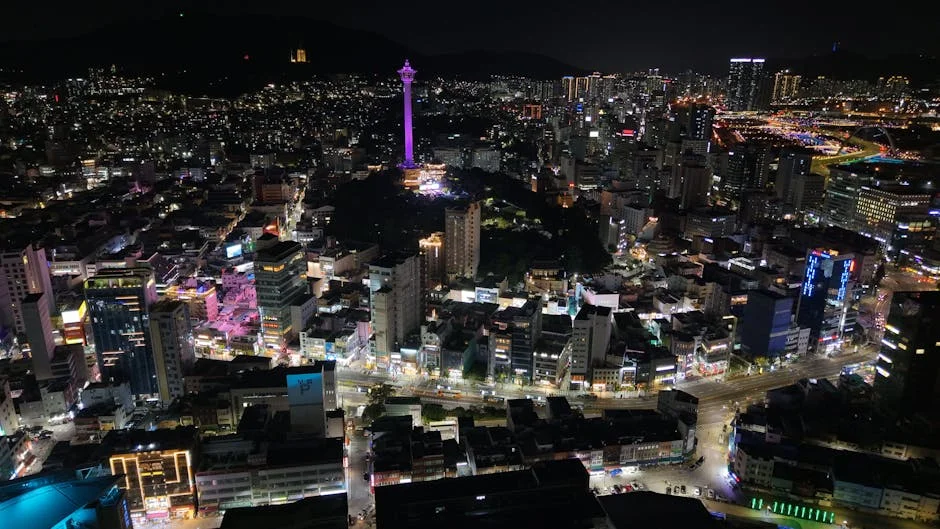
The results sent a clear message from South Korea's most economically active regions. Seoul alone accounts for roughly a quarter of the country's gross domestic product, making any shift in its political direction significant for national policy debates.
What This Means for Business

For Singapore companies with operations or supply chain ties in South Korea, the split verdict carries practical consequences. Seoul's city government controls zoning decisions, local business licences, and infrastructure projects that affect how multinational firms operate in Korea. A change in mayoral control could alter the regulatory environment for foreign investors in the capital.
South Korea ranks among Singapore's top trading partners within the ASEAN-plus framework. Disruptions to Seoul's policy continuity may slow approvals for joint ventures, particularly in sectors like semiconductors, automotive parts, and consumer electronics where Korean conglomerates and Singapore suppliers maintain tight integration.
Regional Investment Implications
Outside Seoul, the ruling party's wins in Gyeonggi Province and other regions provide some continuity for businesses focused on manufacturing and logistics. However, the urban electorate's rejection signals potential friction ahead between city halls and the national government on economic development priorities. Markets typically price in policy predictability; a fragmented political landscape tends to introduce uncertainty around regulatory reforms and fiscal spending plans.
Singapore investors with exposure to Korean equities should watch how the administration responds to these losses ahead of the next national election cycle. Political capital matters for economic decisions, and a weakened grip on major cities could push the government toward more conservative fiscal postures or populist spending to win back urban voters.
Economic Pressures Behind the Vote
South Korea's economy faces headwinds that likely drove urban voters toward opposition candidates. Property prices in Seoul have climbed despite repeated government interventions, squeezing middle-class households. Youth unemployment remains elevated compared to national averages, and household debt levels have drawn warnings from international financial institutions. These pocketbook issues tend to manifest at the ballot box, particularly in cities where costs of living bite hardest.
The administration has staked considerable political reputation on managing the economy well. That narrative suffered a setback when voters in the capital signalled dissatisfaction with living standards despite official growth figures. The disconnect between aggregate economic data and everyday financial experiences appears to have cost the ruling party ground in precisely the places where economic activity concentrates.
Looking Ahead
Final certification of local results will conclude within the week. Once certified, newly elected officials take office in July, giving the political landscape roughly six months to settle before attention turns to national parliamentary calculations. Singapore businesses should monitor whether the ruling party attempts to compromise with opposition-controlled city halls on economic matters or doubles down on its national policy direction. Either approach carries different implications for trade flows, investment approvals, and regulatory environments that affect cross-border operations. Watch for the administration's response in its next cabinet reshuffle — that will signal whether Seoul's message has registered in Seoul's corridors of national power.
See Also
- Singapore Airlines Restricts Business Class Seat Picks — Fare Type Now Decides
- India Army Chief Defines Operation Sindoor as Smart Power
Political capital matters for economic decisions, and a weakened grip on major cities could push the government toward more conservative fiscal postures or populist spending to win back urban voters.Economic Pressures Behind the VoteSouth Korea's economy faces headwinds that likely drove urban voters toward opposition candidates. Property prices in Seoul have climbed despite repeated government interventions, squeezing middle-class households.
What is the latest news about south korea ruling party wins most local seats but faces losing seoul?
Why does this matter for environment-nature?
What are the key facts about south korea ruling party wins most local seats but faces losing seoul?