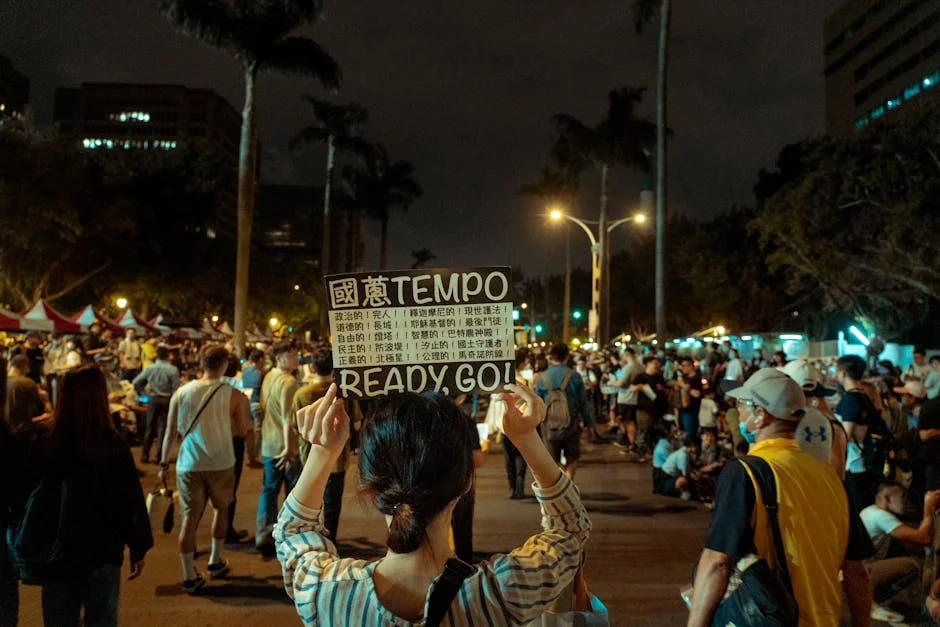
The combined weight of Asian stock exchanges in global market capitalisation rankings has reached its highest level in a decade, with Korea and Taiwan emerging as the standout performers driving the shift. Data from the World Federation of Exchanges shows the two markets have climbed several positions in the hierarchy of the world's largest stock markets, overtaking rivals that once dominated the upper tiers. The recalibration reflects a broader transformation in where global investment capital is flowing and where new sources of economic value are being created.
Korea Exchange Leads Regional Growth
The Korea Exchange, headquartered in Busan, has seen its market capitalisation climb by approximately 18 percent over the past twelve months, placing it firmly among the top twelve exchanges globally. The KOSPI index has been buoyed by strong performances in semiconductor stocks, electric vehicle battery manufacturers, and entertainment conglomerates that have attracted foreign institutional investors. Trading volumes on the Seoul-based exchange have also increased, with daily turnover regularly exceeding 15 trillion won, indicating sustained investor interest rather than speculative spikes. The government in Seoul has actively promoted the exchange as a destination for regional capital, easing foreign ownership restrictions and streamlining listing procedures for technology firms.
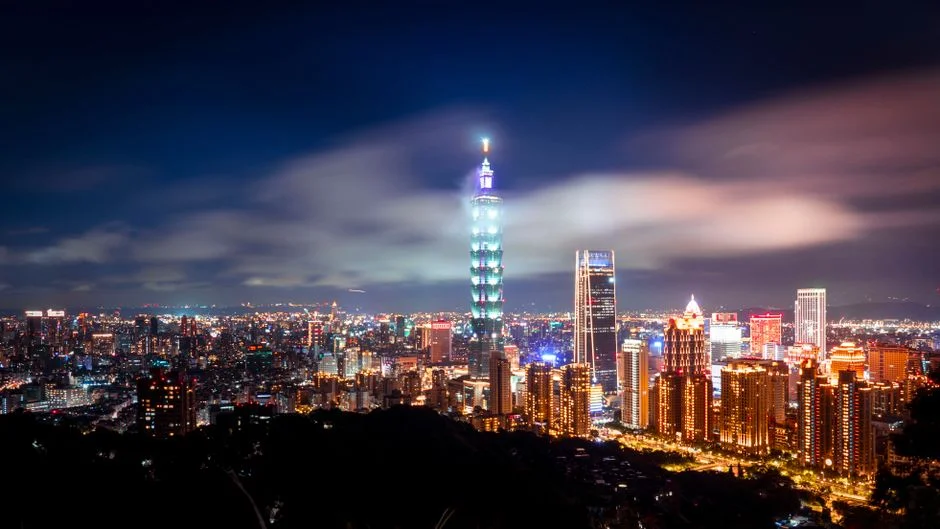
Semiconductor firms have been the primary engine of this growth. Samsung Electronics and SK Hynix together account for a significant portion of the exchange's total capitalisation, and their share prices have rallied as global demand for memory chips accelerated. The Korean government has also backed efforts to position the country as a hub for electric vehicle battery technology, with companies like LG Energy Solution attracting substantial investment following their market debuts. Analysts tracking the exchange note that foreign ownership of Korean equities has risen to around 33 percent, the highest level since 2018, signalling that international investors view the market as a strategic allocation rather than a peripheral holding.
Taiwan's Market Capitalisation Hits Record Levels


The Taiwan Stock Exchange has recorded even more dramatic gains, with its total market capitalisation approaching levels that would place it ahead of several long-established European exchanges. The TWSE in Taipei has benefited from the global shortage of advanced semiconductors, propelling TSMC and related suppliers to record valuations. Taiwan's market capitalisation now exceeds NT$60 trillion, representing a substantial portion of the exchange's total value concentrated in its technology giants. The concentration has raised questions about diversification, but it has also made Taiwan an essential holding for investors seeking exposure to the global semiconductor supply chain.
Foreign investors have poured more than NT$1.5 trillion into Taiwanese equities this year, with the bulk directed toward semiconductor and electronics manufacturers. The Taiwan Financial Supervisory Commission has responded by expanding the scope of qualified foreign institutional investors, allowing more pension funds and sovereign wealth vehicles to access the market. Smaller-cap stocks have also benefited from the spillover effect, as investors search for opportunities beyond the dominant TSMC. The exchange has introduced new technology sector indices to help investors identify these emerging opportunities, mirroring similar moves by Singapore Exchange and Hong Kong Exchanges in recent years.
What This Means for Regional Rivals
The ascent of Korea and Taiwan has come partly at the expense of exchanges in Europe and parts of Southeast Asia. Several markets that once ranked in the top fifteen have slipped as their domestic economies faced slower growth or as investors rotated capital toward higher-growth Asian alternatives. Singapore Exchange, while maintaining its position as a regional financial centre, has faced increased competition for listing mandates and investment flows. The SGX has responded by expanding its derivatives offerings and pursuing partnerships with exchanges in India and Indonesia to capture cross-border trading opportunities.
Investor Implications for Singapore-Based Portfolios
For investors in Singapore, the shift carries direct consequences. Many Singapore-domiciled funds maintain allocations to Korean and Taiwanese equities through indices like the MSCI AC Asia ex Japan, and the rising weight of these markets means Singapore portfolios are becoming more concentrated in Northeast Asian technology. Fund managers contacted by local publications acknowledged the trend but expressed few concerns, noting that both markets offer exposure to global supply chains that remain essential regardless of geopolitical headwinds. The Singapore Exchange Derivatives segment has seen increased trading in contracts linked to Korean and Taiwanese indices, reflecting demand from hedgers and speculators alike.
The Monetary Authority of Singapore has monitored the developments without signalling any policy response, according to officials familiar with the matter. Singapore's own exchange has instead focused on attracting listings from growth sectors, particularly in sustainability and digital economy companies, where it competes directly with Seoul and Taipei for regional issuance. The city-state remains a leading offshore renminbi centre and a hub for commodity trading, areas where it retains structural advantages independent of equity market rankings.
Risks That Could Reverse the Trend
Geopolitical tensions represent the most significant threat to the continued ascent of Korean and Taiwanese exchanges. Both markets operate in proximity to major strategic rivalries, and any escalation could trigger capital outflows at a scale that reverses recent gains. Taiwan's exposure to cross-strait tensions has historically prompted periods of volatility, though foreign investors have largely shrugged off such concerns in recent years as semiconductor demand remained robust. Korea faces its own geopolitical pressures, with North Korean provocations occasionally rattling market confidence, though the impact has proved temporary in most instances.
Cyclical risks also warrant attention. The semiconductor cycle that has powered much of the recent growth may be approaching a correction phase, with some analysts warning that memory chip prices could soften in the coming quarters. A sustained downturn in the sector would disproportionately affect both exchanges given their concentration in technology. Currency volatility presents another variable, as both the Korean won and Taiwan dollar have experienced periods of weakness that can erode returns for foreign investors holding assets in local currency.
What Comes Next
Market participants will scrutinise the next quarterly earnings reports from major Korean and Taiwanese firms to assess whether current valuations are justified by fundamentals. The World Federation of Exchanges will publish its next comprehensive ranking in March, and both Seoul and Taipei are expected to release data showing continued growth. For Singapore investors, the key question is whether allocations to these markets should be increased, maintained, or reduced as their weight in global indices continues to rise. Fund managers surveyed indicated a cautious preference for staying the course, citing the structural importance of the technology sector but acknowledging the concentration risk that higher allocations would create.
See Also
- India Launches Joint Military Exercise — Global Troops Enhance Combat Readiness
- India's Heatwave Triggers 48°C Spike in Banda