Leaders from the Group of Seven nations agreed at their annual summit to launch a coordinated effort to reduce their collective dependence on China for critical minerals essential to clean energy technology and defence manufacturing. The initiative, valued at $2.3 billion in its initial phase, marks the most significant attempt yet by Western economies to diversify supply chains for materials including lithium, cobalt, nickel, and rare earth elements.
The announcement comes as China controls approximately 60 percent of global processing capacity for these minerals, giving Beijing significant leverage over industries that underpin electric vehicles, battery storage, semiconductors, and military systems. France, which holds the rotating presidency of the G7 this year, pushed for the initiative after European manufacturers faced shortages during recent geopolitical tensions.
The Supply Chain Vulnerability
For decades, Western governments prioritised cost efficiency over supply security when sourcing critical minerals. That approach is now under review as export restrictions and price fluctuations threaten industries that employ millions of workers across North America, Europe, and Asia.
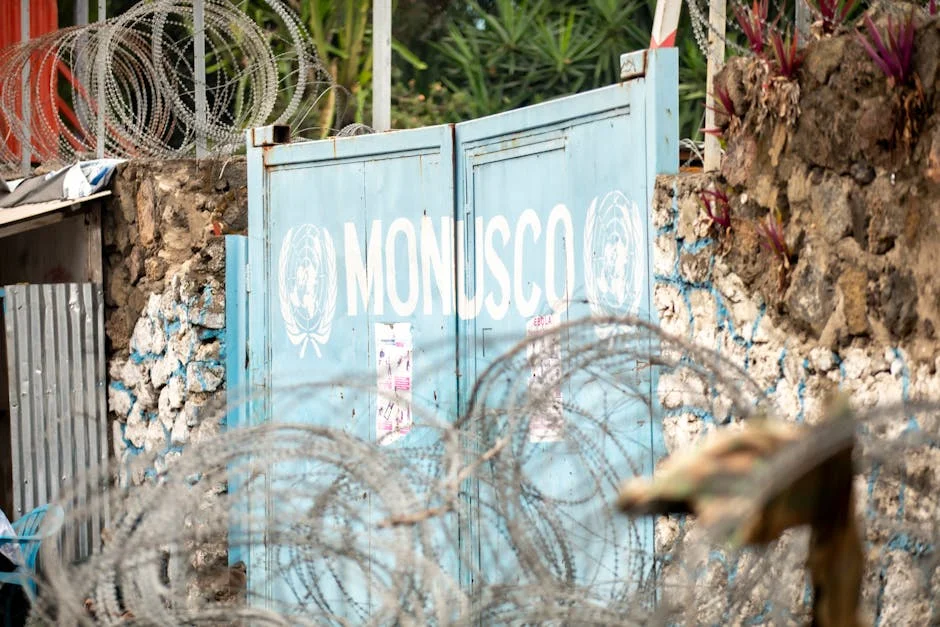
Lithium prices surged more than 400 percent between 2020 and 2022 before crashing in 2023, a volatility that forced car manufacturers to renegotiate supply contracts and delayed production targets for electric vehicle makers including Tesla and Volkswagen. Cobalt, primarily extracted from the Democratic Republic of Congo but processed overwhelmingly in China, has become a particular concern for battery manufacturers seeking stable inputs.
The G7 initiative aims to create alternative processing facilities in Canada, Australia, and within the European Union, reducing the concentration risk that currently exists. Mining companies operating in jurisdictions with strong environmental and labour standards stand to benefit from the shift in procurement policies.
France's Diplomatic Push
President Emmanuel Macron positioned France as the driving force behind the G7 minerals strategy, arguing that European industrial sovereignty depends on breaking Beijing's stranglehold over processing infrastructure. French diplomats spent months negotiating the framework with counterparts from the United States, Germany, Japan, and the United Kingdom before the summit.
Paris has already committed 850 million euros to developing lithium processing facilities in Alsace and Brittany, betting that domestic production can eventually supply a meaningful share of European battery demand. The French plan also includes financing mechanisms to help smaller mining companies in Africa and South America access capital for sustainable extraction projects.
Investment Opportunities Emerging
The shift away from Chinese processing creates investment opportunities across the mineral value chain. Canadian miners including First Quantum Minerals and Nickel Creek Platinum have seen share prices climb as investors anticipate increased demand from G7-aligned buyers. Australian rare earth specialist Lynas Corporation announced plans to expand its processing capacity in Malaysia following the G7 announcement.
Institutional investors managing pension funds and sovereign wealth funds are beginning to allocate capital toward critical minerals projects that meet environmental, social, and governance criteria. The G7 framework establishes certification standards that could make it easier for investors to identify supply chains free from alleged labour abuses or environmental damage.
Market Reactions and Business Implications
Commodity traders immediately responded to the G7 announcement, with futures contracts for lithium carbonate rising 3.2 percent on Asian markets. Battery manufacturers face a complex transition as they seek to qualify new suppliers while maintaining relationships with existing Chinese partners who still offer competitive pricing.
South Korean battery makers LG Energy Solution and Samsung SDI, which supply major automakers in North America and Europe, have indicated they will accelerate efforts to qualify non-Chinese suppliers. Both companies have invested heavily in processing technology that can handle lower-grade ores, potentially opening new sources in Brazil, Finland, and Portugal.
The automotive sector faces the most immediate pressure. Carmakers had relied on Chinese-processed materials partly because separating lithium from brine or hard rock requires specialised infrastructure that takes years to develop. Ford, General Motors, and Stellantis have all announced joint ventures with mining companies in the past eighteen months, but these projects remain years from commercial production.
China's Countermeasures
Beijing has not remained passive as Western nations seek to reduce their reliance. Chinese officials announced reciprocal measures targeting rare earth processing technology exports, requiring special licences for shipments of certain refining equipment. The Chinese Ministry of Commerce warned that export controls on gallium and germanium, announced last year, would remain in force indefinitely.
Chinese state-owned enterprises have accelerated acquisition efforts in Latin America, Africa, and Southeast Asia, securing extraction rights for lithium and cobalt deposits before Western competitors can develop alternatives. In Argentina's lithium triangle, Chinese investment has outpaced North American and European capital in recent years.
The competitive dynamic raises concerns among emerging market governments who find themselves courted by both sides. Countries including Chile, Indonesia, and the Philippines stand to benefit from increased global demand but must navigate pressure to align with either the Western or Chinese industrial ecosystems.
Singapore's Strategic Position
Singapore, despite not being a G7 member, occupies a strategic role in the critical minerals trade as a financial and trading hub for Asian commodities. Singapore-based trading houses handle significant volumes of nickel and cobalt that flow between African mines and Chinese processors, a position that could be affected by the restructuring of supply chains.
Singaporean banks and commodity traders are monitoring the situation closely. Several have established dedicated units to finance critical minerals projects that meet the G7 certification standards, anticipating that Western buyers will increasingly require documented supply chains. The Monetary Authority of Singapore has signalled openness to supporting green financing mechanisms tied to sustainable mining.
What Happens Next
G7 officials will convene a follow-up summit in Ottawa within six months to finalise investment commitments and establish the certification framework. The group aims to have alternative processing capacity for at least three critical minerals operational by 2027, though industry analysts question whether that timeline is achievable given the infrastructure requirements.
Businesses and investors should watch for announcements from mining companies regarding partnership agreements with G7 governments. The next quarter will likely see formal tenders for processing facility construction in Canada and Australia. Share prices of junior mining companies with exposure to lithium, cobalt, and rare earth deposits have already moved higher, suggesting markets anticipate further gains as the initiative moves from announcement to implementation.
See Also
- Neil Diamond's Sweet Caroline Tour Slams Singapore Markets With Rock Vibes
- Tilly Corteen’s Wicket Triggers New Zealand Cricket Market Shifts