China's coal mining sector is under scrutiny following a tragic accident in early November 2023 that claimed the lives of 25 miners in the southwestern province of Guizhou. Investigations have revealed the existence of dangerous secret tunnels and a high percentage of unregistered workers. These revelations may have significant implications for international investors and businesses engaged in China's resources sector.
Coal Mine Disaster Unfolds
On November 5, a coal mine in Guizhou experienced a catastrophic collapse, trapping the miners inside. Rescue operations managed to recover 25 bodies, drawing national attention to the safety standards in China's mining practices. The Ministry of Emergency Management confirmed that the mine was operating with serious safety violations, including the use of unregistered workers, which has raised alarms across the industry.
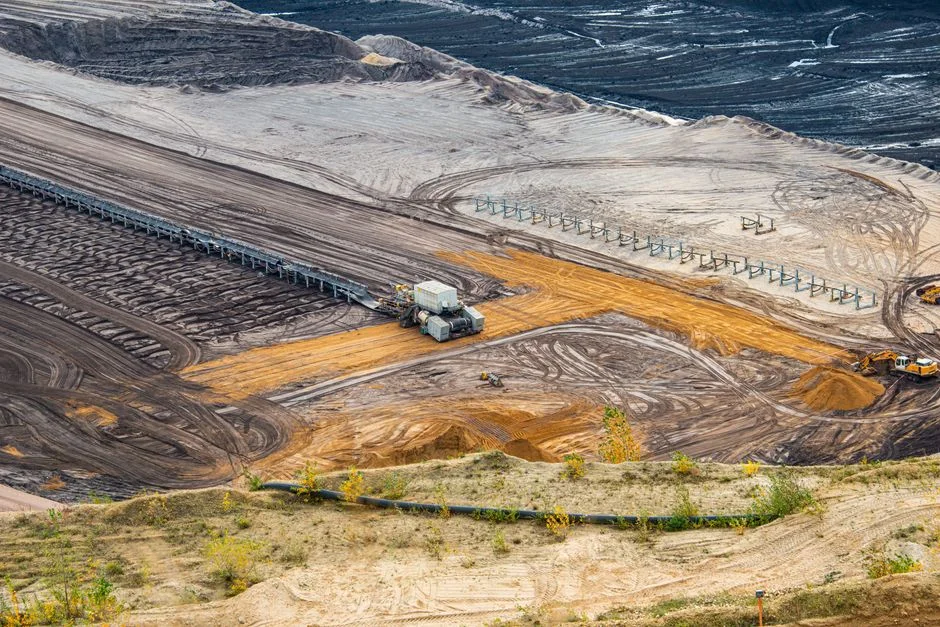
The incident has not only revealed the dangerous conditions within the mines but also sparked concerns over the broader regulatory environment governing China's lucrative coal sector. With China being the world's largest coal producer, any negative news can impact global coal prices and energy markets.
Regulatory Implications for Business


The fallout from this disaster may force the Chinese government to tighten regulations in the mining industry, impacting businesses reliant on coal. This potential regulatory overhaul is likely to affect operational costs and compliance requirements for local and foreign companies operating in the sector.
Chinese coal companies may face increased scrutiny from both domestic and international stakeholders. Such a shift may lead to higher costs as firms invest in safety measures and compliance with new regulations. This could spur a consolidation of smaller companies unable to bear the financial burden of compliance.
Market Impact and Investor Sentiment
In the immediate aftermath of the disaster, coal prices surged by 8% on the Dalian Commodity Exchange, signalling investor concern over future supply levels. The rise in prices reflects the market's sensitivity to disruptions in China's coal supply, especially given the country's reliance on coal for energy production.
Investors in commodities and energy firms may need to reassess their positions in light of potential long-term regulatory changes. If stricter safety standards are implemented, companies that fail to adapt may see their stock valuations decline, while firms prioritising safety might benefit from enhanced investor confidence.
The Role of Foreign Investors
Foreign investors in the coal sector must carefully monitor developments in the wake of the Guizhou disaster. Companies such as BHP and Glencore, which have operations in China, need to evaluate the risk of disruptions and the potential for new regulations that could impact profitability.
Additionally, the Chinese government's focus on improving safety could lead to a more transparent business environment, possibly attracting more foreign Direct Investment (FDI) in the long run as compliance becomes less of a hurdle.
Public and Political Reactions
The Guizhou disaster has provoked an outcry from the public and heightened scrutiny from environmental advocates who have long cautioned against the dangers of China's coal-heavy energy strategy. There are calls for a transition towards greener energy sources, reinforcing the need for structural changes within China's energy sector.
Politically, pressure from constituents may prompt the government to enact reforms aimed at improving safety oversight and promoting sustainable practices within the mining industry. This could lead to a gradual shift away from coal dependency, impacting future resource allocations.
What Lies Ahead for China’s Mining Sector
The fallout from this coal mining disaster will likely influence both domestic policy and international market dynamics. As the government may be compelled to act, investors should prepare for potential upheaval within the coal sector.
Looking ahead, potential regulatory changes could reshape the competitive landscape within China's mining industry. Stakeholders must remain vigilant as developments unfold, particularly regarding future government initiatives aimed at enhancing safety standards and addressing the concerns raised by this tragedy.
Investors should monitor upcoming announcements from the Ministry of Emergency Management, as any new regulations could necessitate adjustments in investment strategy and risk assessment. A shift in policy could redefine how businesses engage with the Chinese coal market and influence energy pricing on a global scale.
See Also
- Rubio Pushes India Energy Deal Amid Iran Oil Shock
- Sebi Partners With NISM And IICA To Reshape Indian Capital Markets