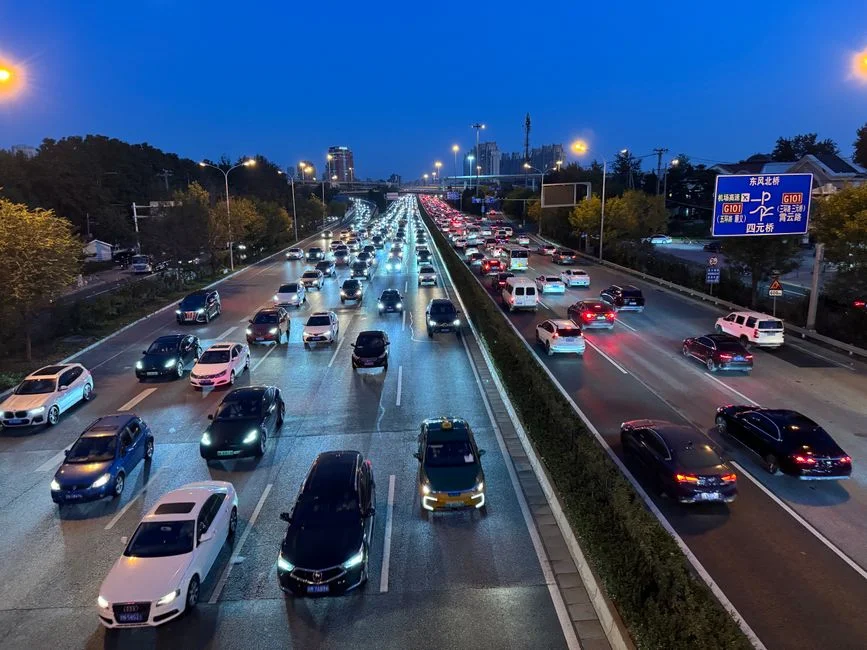
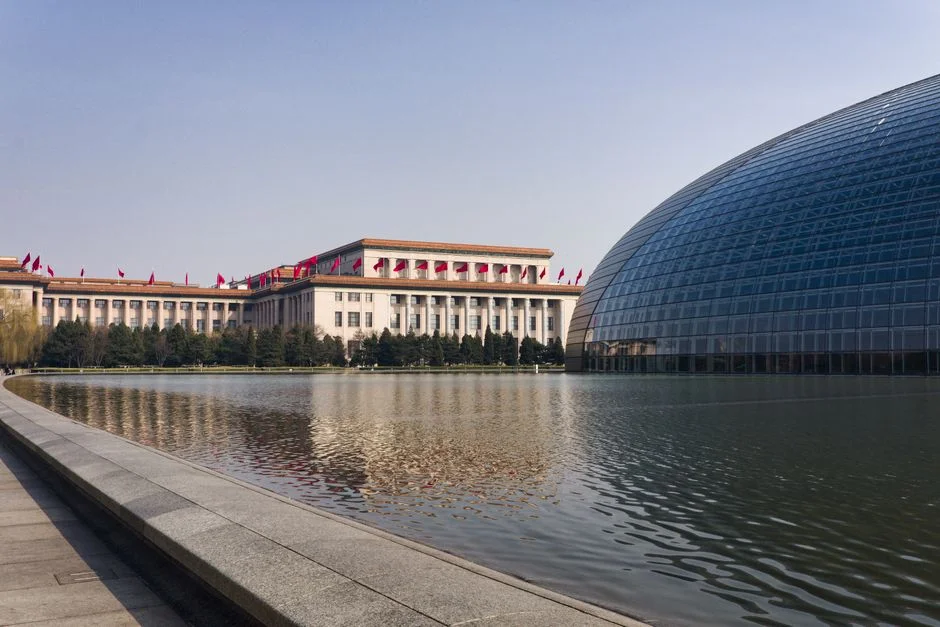
The European Union has confirmed it will pursue an independent course in its relations with both the United States and China, refusing to align exclusively with either power despite a recent diplomatic warm-up with Washington. Officials in Brussels presented this approach as pragmatic rather than adversarial, arguing that European businesses and investors require continued access to both markets. The strategy emerges at a moment when trade corridors spanning three continents face fresh uncertainty.
A Strategic Pivot or Careful Hedging?
European Commission President Ursula von der Leyen described the approach as one of "strategic autonomy" — a term that has circulated in Brussels policy circles for years but is now being tested under real economic pressure. The stance means EU member states will not join Washington in certain export restrictions targeting Beijing, nor will they participate in Chinese-led economic initiatives that could conflict with European standards. Trade analysts say this balancing act carries significant consequences for global supply chains that pass through Singapore.

The timing matters. The so-called transatlantic love fest between the EU and US, highlighted by recent joint statements on technology and security cooperation, had prompted speculation that Brussels might tilt toward Washington. Instead, the bloc appears to be preserving optionality across multiple partnerships.
Why Singapore Cannot Ignore This

For Singapore, the implications are direct. The city-state handles enormous volumes of trade that flow between China, the US, and Europe. Any policy that fractures those corridors into separate blocs could reshape shipping routes, alter demand for logistics services, and force companies with regional headquarters in Singapore to reconsider their supply chain architecture.
Investment Flows and Sector Pressures
Singapore's status as a financial hub means European institutional capital flowing into Asia, and Asian investment heading toward Europe, often passes through its banking sector. A hardening of EU-China economic relations could slow that capital movement, affecting asset management firms, family offices, and sovereign wealth funds that use Singapore as a base.
Sectors to watch include semiconductors, pharmaceuticals, and renewable energy equipment — industries where both Chinese manufacturing capacity and European technology standards intersect. Singapore's position in the middle of these value chains makes it sensitive to any decoupling pressures.
What Businesses Should Track
Companies operating between Singapore and European markets should monitor how quickly member states interpret Brussels' stance into national policy. Divergence between Germany, France, and Eastern European states on China trade has been visible before. The current framework may either constrain that divergence or expose it further.
Export control lists will be a concrete indicator. If the EU publishes specific restrictions aligned with US policy on Chinese technology sectors, Singapore-based traders dealing in those goods will face immediate compliance challenges. If Brussels maintains its own list with different thresholds, firms may need to navigate parallel regulatory requirements.
The Economic Data Already Moving
Market participants noticed currency and commodity shifts in the days following the Brussels announcements. The euro showed modest movement against both the dollar and the yuan as traders processed the implications. Shipping indices tracking Asia-Europe routes remained stable, but analysts flagged reduced forward bookings for the next quarter as a potential leading indicator.
What Comes Next
The next test arrives with the next EU-China summit, scheduled for later this year. How the two sides manage bilateral investment discussions will signal whether Brussels' third-way rhetoric translates into actual negotiating positions or remains a diplomatic formula. For Singapore's trade ministry and the Economic Development Board, monitoring those talks should be a priority — the outcomes could reshape the deals available to companies operating from the city-state.
Business groups in Singapore have already begun requesting briefings from the Ministry of Trade and Industry on potential scenarios. The next few months will determine whether the EU's independent course reduces global uncertainty or adds a new layer of complexity for companies planning across three major markets.
See Also
- India's Communists Collapse — Lessons for Investors Amid Political Shift
- Melbourne Symphony Orchestra Halts Tour — Investors Watch Cultural Market Shocks