Researchers have unveiled that Indonesia is a significant sanctuary for the world's largest sharks, including the majestic whale shark. This revelation comes after a decade-long study conducted in the waters off Komodo National Park, highlighting Indonesia's critical role in marine biodiversity. The research team, led by Dr. Mark Meekan from the Australian Institute of Marine Science, published its findings this week.
Economic Importance of Marine Biodiversity
Indonesia's identification as a haven for whale sharks could have substantial economic implications. This species, which attracts eco-tourists globally, plays a vital role in the local economy, especially in regions like Flores and Komodo. Since tourism related to these creatures generates an estimated $4 million annually, preserving their habitat is crucial for economic sustainability.
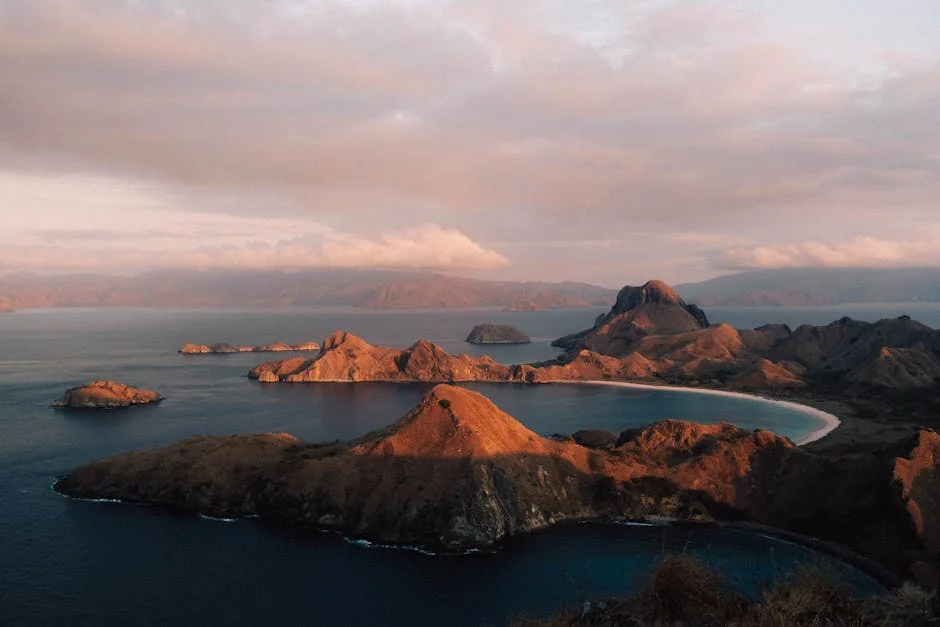
With tourism operators reliant on these majestic creatures for their business, the findings may prompt increased investments in conservation efforts. The government of Indonesia could see rising revenues from eco-tourism, benefiting both local communities and the national economy.
Impact on Investors and Businesses


For businesses, this news creates fresh opportunities to invest in sustainable tourism ventures. Companies that align with environmental conservation efforts may gain more traction, appealing to a growing demographic of environmentally conscious consumers. As a result, investors are likely to look closely at companies active in marine conservation.
Additionally, hotels and tour operators in the vicinity of Komodo National Park could experience enhanced demand as the sanctuary status of the area becomes more widely known. Those who adapt quickly to incorporate sustainable practices may see significant gains, while businesses that ignore these trends could fall behind.
Potential Policy Changes and Environmental Regulations
The study's findings could also trigger policy reforms aimed at protecting shark populations and their habitats. Indonesian authorities might implement stricter regulations on fishing and maritime activities in critical habitats. Such measures could directly impact fishing industries, which are significant contributors to both local and national economies.
Moreover, these regulations could also create a ripple effect across the region. As neighbouring countries observe Indonesia's approach, they may consider similar conservation initiatives, further influencing regional markets.
International Collaboration and Investment Opportunities
International stakeholders may also express interest in supporting conservation efforts in Indonesia. Collaboration between local governments, NGOs, and international organisations could become a focal point for safeguarding marine life, attracting investment aimed at developing sustainable practices in the tourism sector.
Investors looking at environmental, social, and governance (ESG) criteria might find Indonesia's emerging conservation initiatives appealing. The long-term potential for eco-tourism in the region could lead to profitable ventures that also benefit local communities.
Future Monitoring and Research Needs
As Indonesia takes steps to solidify its status as a sanctuary for sharks, ongoing monitoring will be essential. Researchers note that continuous studies are needed to track shark populations and assess the effectiveness of new regulations. Future research could also cover the economic impacts of these conservation efforts.
As the situation unfolds, businesses and investors should keep an eye on further announcements from Indonesia's Ministry of Marine Affairs and Fisheries regarding policy changes and conservation strategies.
What to Watch Next
Looking ahead, stakeholders in Indonesia and the broader region should prepare for developments in shark protection policies. Upcoming conferences focusing on marine conservation will likely shed light on further collaborative efforts. Investors and business owners would do well to engage with these developments to align their strategies with emerging opportunities in Indonesia's growing eco-tourism market.