The latest National Family Health Survey (NFHS) reveals a significant rise in household health insurance coverage across India, now reaching an impressive 60%. Conducted by the Ministry of Health and Family Welfare, this survey reflects the growing trend of health insurance penetration, a crucial factor for both consumers and businesses in the country.
Understanding the Surge in Coverage
The NFHS, which assesses health and family welfare indicators, points out that the surge in insurance coverage is a response to increasing healthcare costs and the need for financial security. The data, collected over the past few years, shows that families are more aware of health risks and are seeking ways to protect themselves.
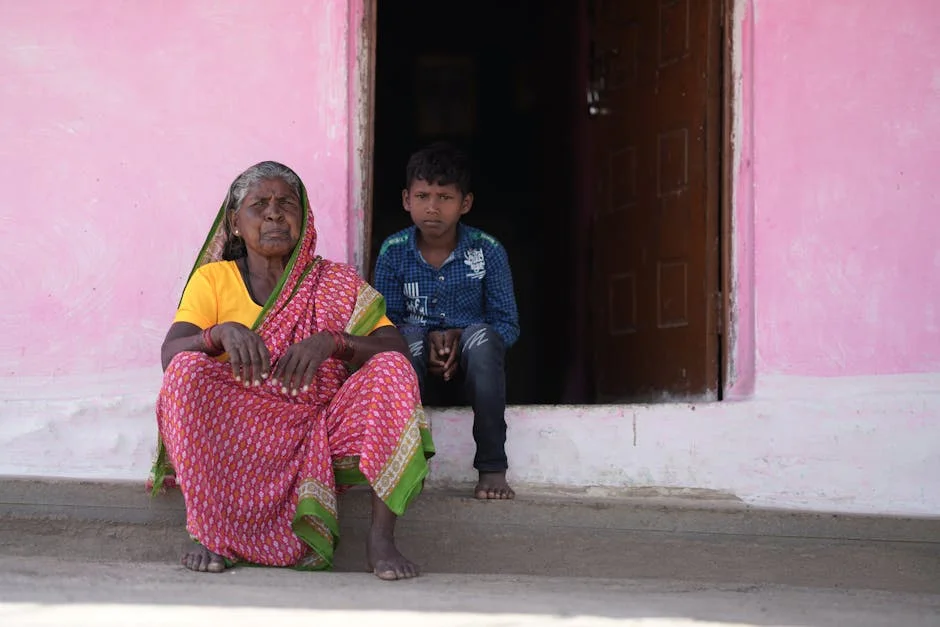
Particularly in urban areas, insurance coverage has seen a marked increase, as families gravitate towards private health services. This trend is evident in metropolitan cities like Mumbai and Delhi, where the availability of diverse insurance products has encouraged more households to secure their health.
Market Reactions and Economic Consequences


Investors are observing this upward trend closely, as it signals a potential for growth in the health insurance sector. The rise from previous years indicates a shift in consumer behaviour towards proactive health management, which could lead to increased revenues for insurance providers. Analysts argue that such developments may prompt existing firms to expand their product offerings, targeting even those who previously relied solely on government schemes.
Furthermore, the surge in insurance coverage is likely to lower the burden on public healthcare services, as insured individuals are less likely to rely on state-funded facilities. This shift could free up resources for the government, allowing for better investment in healthcare infrastructure.
Impact on Businesses and Healthcare Providers
For businesses, particularly those in the health sector, the rise in health insurance penetration implies a greater demand for medical services. Hospitals and clinics may experience a surge in clientele, leading to more investments in healthcare facilities and staff training. Insurers, in turn, will need to adapt their offerings to meet changing consumer needs.
Healthcare providers might also need to reconsider their pricing structures as more patients arrive with insurance coverage, aiming to balance profitability while remaining accessible to a broader range of clients. This could lead to innovative pricing models that align with insurance company policies.
Consumer Behaviour Shifts
The NFHS data reveals that households are not just purchasing insurance but are becoming more discerning consumers. Consumers are now evaluating policies based on coverage, exclusions, and the quality of care provided. This shift narrows down insurance plans to those that offer comprehensive benefits, thereby increasing competition among providers.
Future Expectations
The implications of this rise in household health insurance cover are extensive. With the Indian government pushing for universal healthcare, the private sector's growth will play a crucial role in achieving these goals. The NFHS findings will likely fuel discussions on healthcare reforms, possibly leading to policy updates that further stimulate insurance uptake.
As the market evolves, investors should monitor regulatory developments and emerging trends in consumer preferences. Upcoming legislative sessions will likely address healthcare policies, including potential reforms that could impact both public and private insurance sectors.
See Also
- Gandhi Hospital Removes 2.8kg Spleen in 43-Year-Old Woman — Health Sector Impact?
- Japan Launches Deep-Sea Drone in Race to Secure Rare Earth Supplies
The NFHS findings will likely fuel discussions on healthcare reforms, possibly leading to policy updates that further stimulate insurance uptake.As the market evolves, investors should monitor regulatory developments and emerging trends in consumer preferences. This could lead to innovative pricing models that align with insurance company policies.Consumer Behaviour ShiftsThe NFHS data reveals that households are not just purchasing insurance but are becoming more discerning consumers.