India's liquefied petroleum gas imports have surged 145% year-on-year, marking a dramatic shift in how the world's second-largest LPG consumer sources its energy. The sharp increase reflects both growing domestic demand for cooking fuel and a deliberate government push to diversify suppliers away from traditional Gulf producers.
Washington Emerges as New Energy Partner
Trade data tracked by commodities analytics firm Kpler shows India is positioning to double its LPG purchases from the United States. American exporters have ramped up cargoes bound for Indian ports over the past twelve months, capturing market share that Gulf producers once dominated. The shift comes as US shale producers offer competitive pricing and reliable delivery schedules that appeal to Indian buyers managing complex supply chains.
The strategy aligns with India's broader push to reduce its dependence on Middle Eastern energy, a vulnerability exposed during previous geopolitical disruptions in the Gulf region. New Delhi has been vocal about wanting energy security that does not leave the country exposed to supply shocks from a single corridor.
Why the Gulf Still Dominates Imports


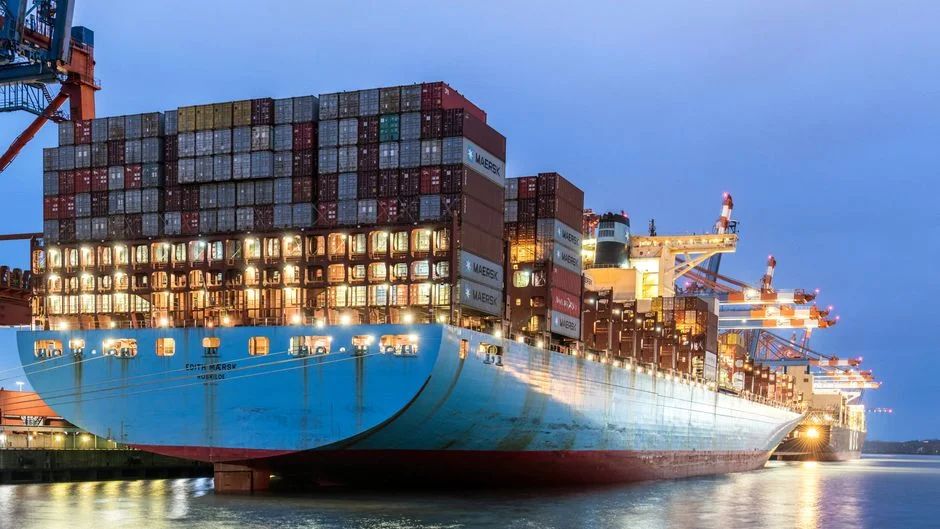
Despite the push toward diversification, the Gulf Cooperation Council countries—particularly Saudi Arabia and the United Arab Emirates—remain India's largest LPG suppliers. These nations offer proximity advantages and established trade relationships that US exporters are still working to match. Shipping LPG from the US Gulf Coast to India takes roughly three to four weeks, compared to under a week from Saudi ports.
Gulf producers have traditionally offered volume discounts for long-term contracts, making it difficult for American sellers to compete purely on price. However, Indian refiners argue that the strategic value of supplier diversification now outweighs the marginal cost savings from sticking with familiar Gulf partners.
Other Suppliers in the Mix
Beyond the United States, India has been exploring LPG purchases from Nigeria and Argentina, two countries with growing export capacity. Nigerian cargoes have found willing buyers in India's western coastal refineries, while Argentine LPG has begun appearing in spot market transactions tracked by Kpler analysts. Neither source yet represents a significant share of total imports, but both illustrate India's intent to broaden its supplier base.
Domestic Cooking Fuel Pressure Drives Strategy
The urgency behind India's import surge stems from relentless growth in domestic LPG consumption. More than 300 million Indian households now receive subsidised cooking gas cylinders through the government's PMUY programme. As incomes rise and rural electrification expands, demand for clean-burning fuel has outpaced domestic refinery production capacity.
Indian oil marketing companies have responded by maximising refinery throughput and increasing import volumes at higher costs. The government has also invested in new import terminal infrastructure along India's coastline, including expanded storage facilities in Gujarat and Maharashtra that can receive large LPG carriers.
What This Means for Global LPG Markets
The shift carries implications for global LPG pricing and trade flows. American exporters now view India as a priority growth market, with several terminal operators announcing plans to increase LPG export capacity to serve Asian demand. This competition could pressure Gulf producers to sweeten contract terms or risk losing further ground.
For investors watching energy sector stocks, the trend signals stronger business prospects for US midstream companies handling LPG exports. It also presents challenges for Gulf national oil companies that rely on Indian demand to maintain revenues and utilisation rates at their gas processing facilities.
Looking Ahead: Can India Truly Reduce Gulf Dependency?
The government has set targets to increase the share of non-Gulf LPG imports, but analysts remain cautious about how quickly that shift can materialise. Infrastructure constraints at Indian ports, the relative cost disadvantage of long-haul shipments, and the entrenched commercial relationships with Gulf suppliers all pose obstacles.
What happens next will likely depend on whether US exporters can sustain competitive pricing and whether India's domestic refining sector can close the supply gap through new capacity. Market participants will watch next quarter's import data closely to gauge whether the 145% growth rate marks a permanent structural change or a temporary spike driven by spot market conditions.
See Also
- India Seizes Nordic Trade Deal — Markets Eye New Growth
- Vietnam's President To Lam Demands Asia-Pac Solutions Amid Global Crises
The government has set targets to increase the share of non-Gulf LPG imports, but analysts remain cautious about how quickly that shift can materialise. Domestic Cooking Fuel Pressure Drives Strategy The urgency behind India's import surge stems from relentless growth in domestic LPG consumption.
What is the latest news about indias lpg imports jump 145 us suppliers win as gulf loses share?
Why does this matter for politics-governance?
What are the key facts about indias lpg imports jump 145 us suppliers win as gulf loses share?