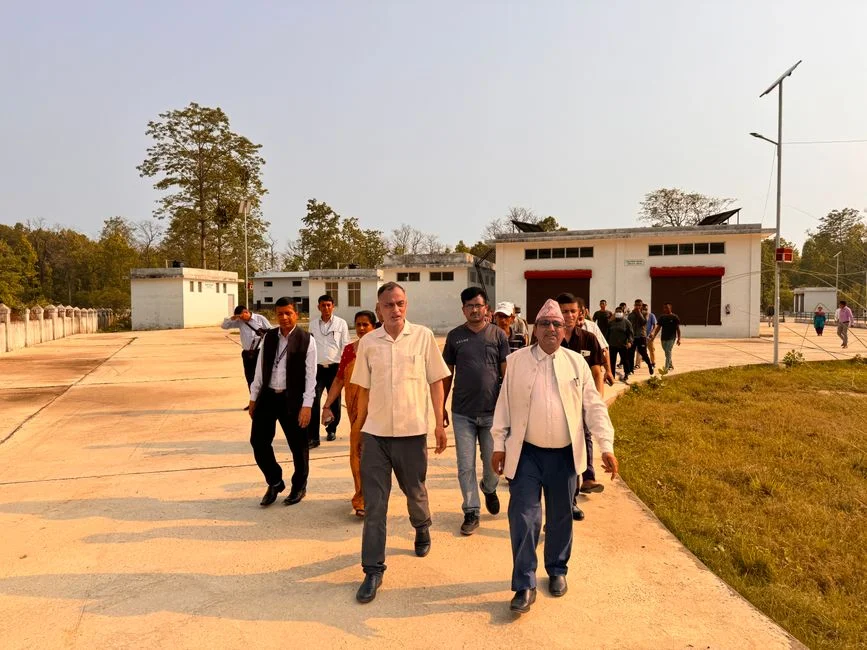
India's Ministry of Health has issued a fresh advisory urging travellers returning from Ebola-affected nations to isolate themselves if they exhibit symptoms. This announcement comes as the World Health Organization confirmed cases of Ebola in Uganda, raising concerns about potential spread. The advisory aims to safeguard public health and prevent an outbreak within India.
Health Advisory Details
The Indian government’s warning includes specific instructions for passengers arriving from Uganda and other regions experiencing Ebola transmissions. Health Minister Mansukh Mandaviya emphasised the importance of self-isolation for travellers showcasing symptoms such as fever, vomiting, or unexplained bleeding. Alongside isolation, the ministry has urged individuals who have recently visited affected areas to monitor their health closely.

According to the latest data from Uganda, over 100 confirmed cases of Ebola were reported in the past month, underlining the urgency of India’s precautionary measures. The Indian advisory also outlines steps for obtaining medical assistance should symptoms arise, as well as the necessity for reporting potential exposures.
Market and Economic Implications
India's travel advisory could have significant ripple effects on the economy, particularly in sectors reliant on tourism and international travel. A decline in passenger traffic is likely to impact airlines and related businesses that have struggled to recover from the pandemic. Stocks in the travel and hospitality sectors might experience volatility as investors weigh the implications of reduced bookings and potential quarantines.
Airlines such as IndiGo and Air India, which have significant international operations, may see fluctuations in stock prices as public concern regarding travel safety grows. Investors may need to take a cautious approach, assessing the risk associated with travel-related businesses in light of the health crisis.
Isolation Protocol and Business Responses
Businesses are also urged to adapt their policies in response to the advisory. Companies with employees travelling to affected regions may need to implement stricter health protocols, including mandatory isolation periods post-travel. This could disrupt workforce productivity and increase operational costs.
Several multinational firms are already revising their travel guidelines, advising employees to avoid non-essential trips to places experiencing Ebola outbreaks. This change could further dampen business travel and lead to potential financial losses, particularly for companies in sectors like consulting, finance, and international trade.
Public Health Preparedness
India's prompt advisory reflects a broader strategy to enhance public health preparedness in the face of global health emergencies. The country's experience with the COVID-19 pandemic has led to improved protocols and increased scrutiny of health systems. Health authorities are preparing for any necessary interventions, focusing on containment measures to mitigate the impact of any outbreak.
Moreover, India's healthcare infrastructure is under pressure to respond effectively should cases arise. The government has reportedly allocated additional funding towards pandemic preparedness and training for healthcare professionals to manage infectious diseases more effectively.
Future Monitoring and Impacts
The situation remains fluid as the Indian government continues to monitor developments regarding Ebola. Public health officials are keenly observing updates from the WHO and other health agencies. As the advisory is enacted, the focus will shift to maintaining control over any potential outbreaks and ensuring swift communication with the public.
Travellers and businesses alike should prepare for possible changes in advisories as the situation evolves. Upcoming international health forums and meetings among health ministers may result in further collaborations aimed at addressing global health threats. Stakeholders should remain vigilant, anticipating how these developments may affect travel, trade, and overall economic stability in the coming weeks.
This change could further dampen business travel and lead to potential financial losses, particularly for companies in sectors like consulting, finance, and international trade.Public Health PreparednessIndia's prompt advisory reflects a broader strategy to enhance public health preparedness in the face of global health emergencies. Health authorities are preparing for any necessary interventions, focusing on containment measures to mitigate the impact of any outbreak.Moreover, India's healthcare infrastructure is under pressure to respond effectively should cases arise.