Nepal's Prime Minister Balendra Shah has openly called for dialogue with India to resolve ongoing border disputes that have strained relations between the two nations. This announcement came during a press briefing on Tuesday, where Shah expressed the need for a collaborative approach involving the United Kingdom as a mediator.
Border Disputes and Economic Implications
Shah's appeal for UK involvement adds a new dimension to the complex geopolitical landscape of South Asia. The border issues between Nepal and India have persisted for years, particularly over areas like Kalapani and Lipulekh. These disputes not only impact diplomatic relations but also have significant economic repercussions for both countries.
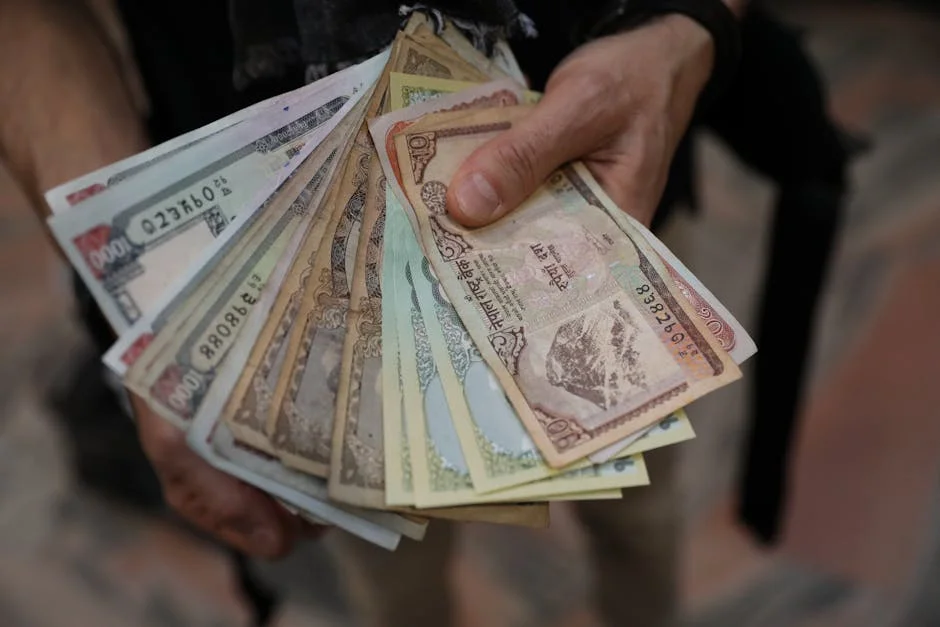
Trade between Nepal and India is crucial, accounting for approximately 65% of Nepal's total trade volume. Any escalation in border tensions may disrupt supply chains and lead to increased costs for businesses reliant on cross-border trade. Investors are already showing concern, with the Nepal Stock Exchange witnessing a slight dip in response to the news.
Historical Context of Nepal-India Relations


The relationship between Nepal and India has historically been intertwined due to cultural, economic, and geographical ties. However, recent incidents, including the unilateral publication of a new political map by Nepal in 2020 claiming disputed territories, have exacerbated tensions.
Prime Minister Shah's invitation for UK mediation comes at a time when both countries are keen to prevent further escalation. By positioning the UK as a neutral mediator, Nepal aims to alleviate some of the pressure from its southern neighbour while also seeking to strengthen ties with a Western ally.
The Role of the UK and Future Prospects
The United Kingdom's involvement in the dialogue could provide a fresh perspective, potentially leading to a more balanced negotiation framework. The UK's historical ties with both Nepal and India might facilitate discussions and reduce the risks of miscommunication.
Financial markets are closely monitoring these developments. Investors are particularly wary of how unresolved border issues could lead to increased military spending or sanctions, which could stifle economic growth in the region.
Responses from Business Leaders
Business leaders in Nepal have voiced concerns that prolonged unresolved disputes might deter foreign investment. Rajesh Shrestha, head of the Nepal Chamber of Commerce, stated, "Uncertainty creates a hostile environment for investors. We need stability to attract investment and grow our economy."
Some sectors, such as tourism, heavily depend on stable Nepal-India relations. A decline in tourist arrivals from India could lead to significant losses for the industry, which contributes around 7.9% to Nepal's GDP.
What Investors Should Watch
Investors are advised to keep an eye on how negotiations unfold in the coming weeks. The Nepalese government plans to hold a series of discussions aimed at resolving the border issues. Any positive outcomes from these dialogues could boost market confidence.
A timeline for these discussions is not yet clear, but analysts suggest that progress before the end of the year would be crucial for restoring investor faith in Nepal's market stability.
Conclusion: Navigating Uncertainties Ahead
As Prime Minister Balendra Shah moves forward with his appeal for dialogue and assistance from the UK, both Nepal and India face the critical task of managing their diplomatic relations. The economic stakes are high, and the actions taken in the coming weeks will significantly impact businesses and investors in both countries. Observers will be focused on the outcomes of proposed talks, as they could reshape the economic landscape in South Asia.
See Also
- Tamil Nadu Election 2026: Neyveli Voters Face Battle of Arch Rivals
- UK Trials Social Media Bans on Teenagers — Digital Curfews Spark Debate
What is the latest news about nepals pm balendra shah demands uk mediation in border talks with india?
Why does this matter for politics-governance?
What are the key facts about nepals pm balendra shah demands uk mediation in border talks with india?