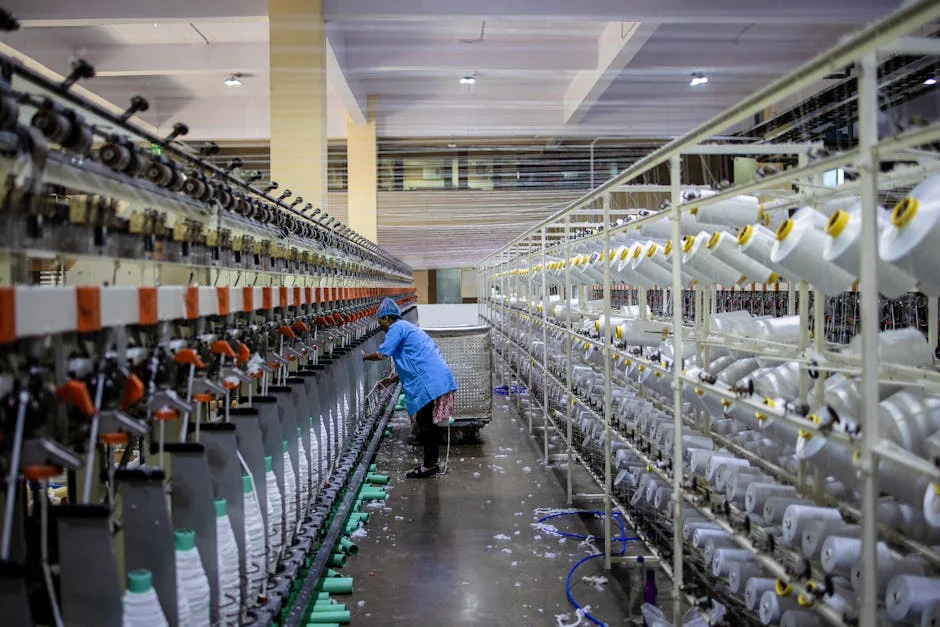
Tamil Nadu’s 2026 state election has placed Neyveli, a key industrial hub in the Cuddalore district, at the centre of a fierce political contest between two long-standing rivals. The battle between the ruling Dravida Munnetra Kazhagam (DMK) and the opposition All India Anna Dravida Munnetra Kazhagam (AIADMK) is expected to shape not only the state’s political landscape but also its economic trajectory. With the region’s coal-based power plants and industrial zones under scrutiny, the election outcome could influence energy policy, investment flows, and regional development.
Political Rivalry Intensifies in Neyveli
The rivalry between DMK and AIADMK in Neyveli has deep historical roots, with both parties vying for control over the region’s strategic industries. The 2026 election has seen a surge in campaign activity, with both parties highlighting their plans for infrastructure development and job creation. The DMK, led by Chief Minister M. K. Stalin, has pledged to boost renewable energy projects, while the AIADMK, under Edappadi Palaniswami, has focused on preserving traditional industries like coal and thermal power.

The stakes are high for investors and businesses in the region. Neyveli’s thermal power station, operated by the Neyveli Lignite Corporation (NLC), is one of the largest in India and a major employer. Any shift in political power could lead to changes in energy policy, affecting both local operations and national energy security. Investors are watching closely, as policy uncertainty could delay planned expansions or new projects in the area.
Market Reactions and Business Implications
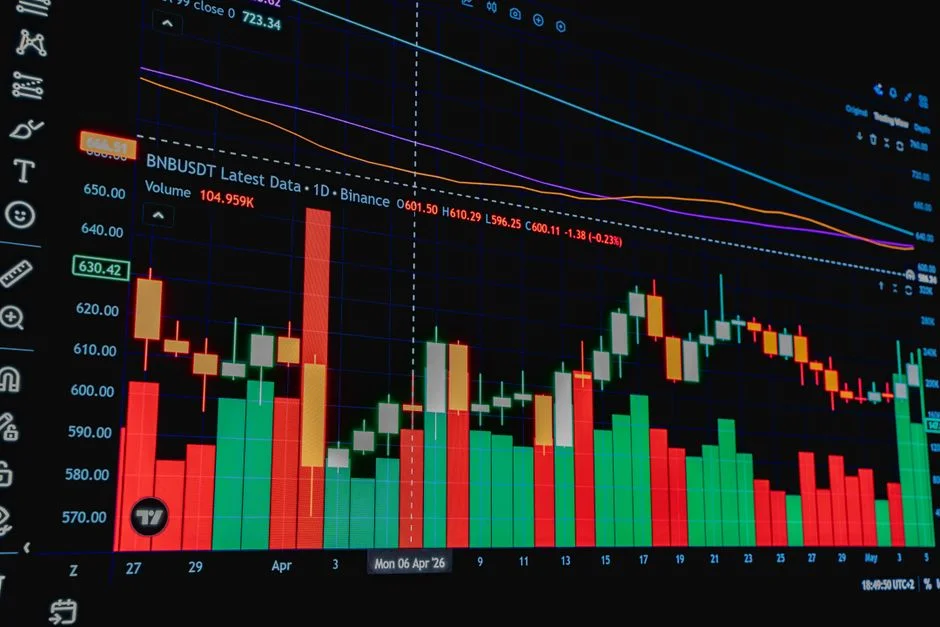
Financial markets have already begun to react to the political uncertainty. The Nifty 50 index saw a slight dip in early trading as investors weighed the potential impact of a political shift on industrial output and energy prices. Analysts at ICICI Securities noted that any disruption in coal supply could push up electricity costs, affecting manufacturing and consumer sectors across Tamil Nadu.
Business leaders in Neyveli are also expressing concerns. S. Ranganathan, a local industrialist and member of the Tamil Nadu Industry Association, said, “The election outcome will determine whether we see more investment in green energy or a continued reliance on coal. Either way, the region’s economic stability depends on a clear policy direction.”
Economic Impact on Regional and National Markets
Neyveli’s industrial base contributes significantly to Tamil Nadu’s GDP, with the energy sector accounting for nearly 15% of the state’s economic output. A shift in political power could lead to changes in subsidies, tax policies, and regulatory frameworks, all of which have direct implications for businesses. The state government’s recent announcement of a 10% tax cut for small-scale manufacturers has already spurred some investment, but the long-term outlook remains uncertain.
The impact of the election is not limited to Tamil Nadu. As one of India’s largest industrial hubs, Neyveli’s economic performance affects supply chains and trade flows across the country. Singapore-based investors, particularly those with exposure to Indian infrastructure and energy sectors, are closely monitoring the developments. A political shift could lead to changes in trade agreements or investment policies that affect regional markets.
Investment Perspective and Next Steps
For investors, the 2026 election in Neyveli represents both a risk and an opportunity. The region’s energy infrastructure is a key asset, but its future depends on the political environment. A stable government could attract long-term investments, while a shift in power might lead to policy reversals or delays in planned projects.
Analysts at Goldman Sachs have advised caution, noting that “the outcome of the Tamil Nadu election could have ripple effects on India’s energy sector, particularly in the short to medium term. Investors should prepare for potential volatility in energy prices and regulatory changes.”
What to Watch Next
The election campaign in Neyveli is expected to intensify in the coming months, with key debates and policy announcements likely to shape public opinion. The final vote is scheduled for April 2026, with results expected by mid-May. Investors and businesses should closely follow the political developments, as the outcome will determine the direction of energy policy, industrial growth, and economic stability in the region.
As the race for power in Neyveli unfolds, the implications for markets, businesses, and the broader Indian economy are becoming clearer. With the election just months away, the region’s political and economic future is hanging in the balance.
See Also
- Singapore Defies Gulf Crisis: Fuel Prices Hold Steady
- Southwest Flight Delayed by Robot — What It Costs Airlines