Indian Prime Minister Narendra Modi hosted leaders from Myanmar and Nepal in New Delhi this week, marking a pivotal effort to strengthen regional ties. The visits come as India seeks to bolster economic cooperation amidst a shifting geopolitical landscape.
Strengthening Diplomatic Relations
On Monday, Modi welcomed Myanmar's junta leader Min Aung Hlaing and Nepal's Prime Minister Pushpa Kamal Dahal for discussions centred on trade, security, and regional stability. This gathering signals India's determination to enhance its influence in South Asia and Southeast Asia, particularly against the backdrop of China's growing presence.
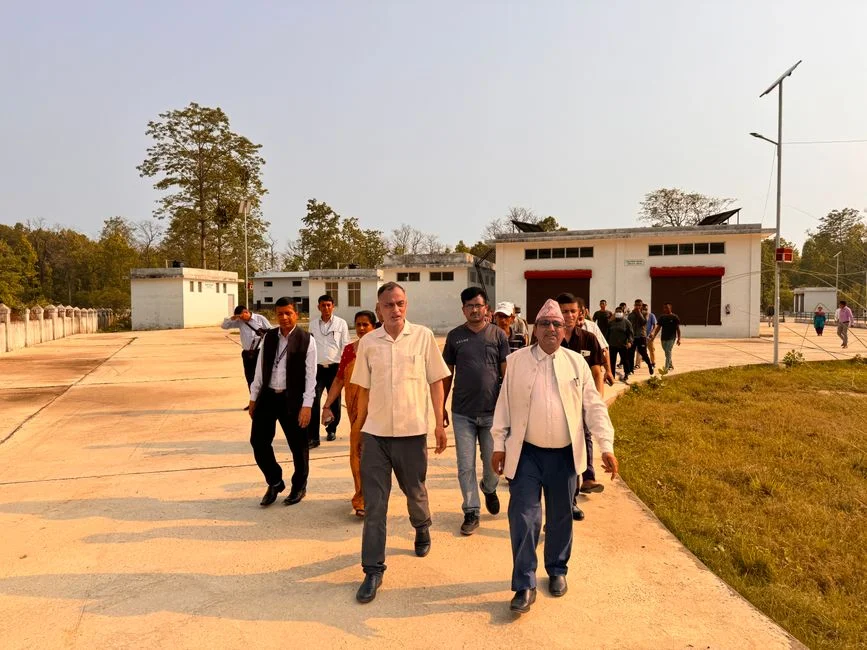
During the talks, Modi emphasised India's commitment to aiding its neighbours, stating, "We are committed to working together for the prosperity of our nations." By engaging with Myanmar, which has faced international isolation since its military coup in 2021, India aims to position itself as a stabilising force in the region.
Economic Opportunities for Investors

Investors are closely monitoring these developments as Modi's outreach could unlock new business prospects in both countries. India's trade with Nepal is currently valued at approximately $9 billion, and there are hopes to significantly increase this figure through enhanced collaboration.
Business leaders in India see potential growth in sectors such as energy, infrastructure, and agriculture. With Nepal's strategic location serving as a corridor for trade with China, Indian companies are keen to explore partnerships that can benefit from both nations' resources.
Myanmarese Economic Landscape
The situation in Myanmar presents a complex challenge. Despite international sanctions, India views engagement as a pathway to influence the military government towards a more democratic approach. Economic ties could be pivotal for Myanmar, which is suffering under isolation and declining foreign investment.
One area of interest is energy; India may seek to invest in Myanmar's oil and gas projects to bolster its energy security. The potential for joint ventures in renewable energy also exists, with India having the technological capability to assist Myanmar in transitioning to greener sources.
Regional Stability at Stake
The re-engagement effort is not solely about trade; it also involves addressing security concerns. Both Myanmar and Nepal are grappling with internal conflicts and instability. Modi's approach includes discussions on joint security initiatives to tackle cross-border terrorism and insurgency.
By reinforcing ties, India aims to create a buffer against extremist elements that threaten regional stability. The discussions may lead to increased intelligence sharing and military cooperation, which could be beneficial for both India and its neighbours.
Future Implications for South Asia
What does this mean for the broader South Asian landscape? The renewed engagement could reshape not only economic ties but also diplomatic relations among regional players. Investors and businesses should prepare for potential shifts in market dynamics following these talks.
The next steps could involve formal agreements on trade and security, with Modi expected to visit both nations in the coming months to finalise these plans. This would solidify India's role as a key player in the region.
What to Watch Moving Forward
As these diplomatic efforts unfold, stakeholders should monitor upcoming announcements regarding trade agreements and joint ventures. Additionally, watch for Modi’s scheduled visits to Myanmar and Nepal, as these could provide further insights into the future of India's relationships with its neighbours.
With the evolving geopolitical context in Asia, the implications of these meetings will extend beyond immediate business opportunities, potentially reshaping the economic landscape for years to come.
See Also
- Malema Forces Khawula’s Apology — Market Stability Hangs in Balance
- Laos Rescues First of Five Trapped Men from Flooded Cave — What Comes Next