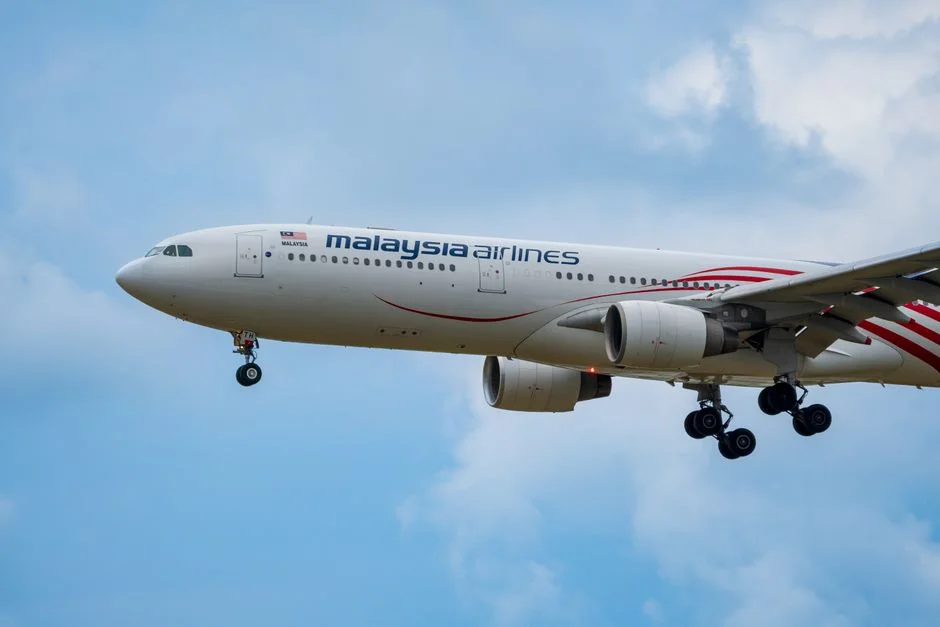
Singapore's first group of returning haj pilgrims landed at Changi Airport on Monday, marking the end of this year's pilgrimage season in Saudi Arabia and triggering fresh attention on the economic ecosystem that surrounds one of Islam's Five Pillars.
Pilgrims Complete Saudi Arabia Journey
The pilgrims, part of a contingent allocated a dedicated quota by Saudi authorities, spent several weeks in Mecca and Medina completing the religious rites that around 1.8 million Muslims undertake annually. The Hajj, one of the largest religious gatherings in the world, requires every able Muslim to make the journey at least once in their lifetime.
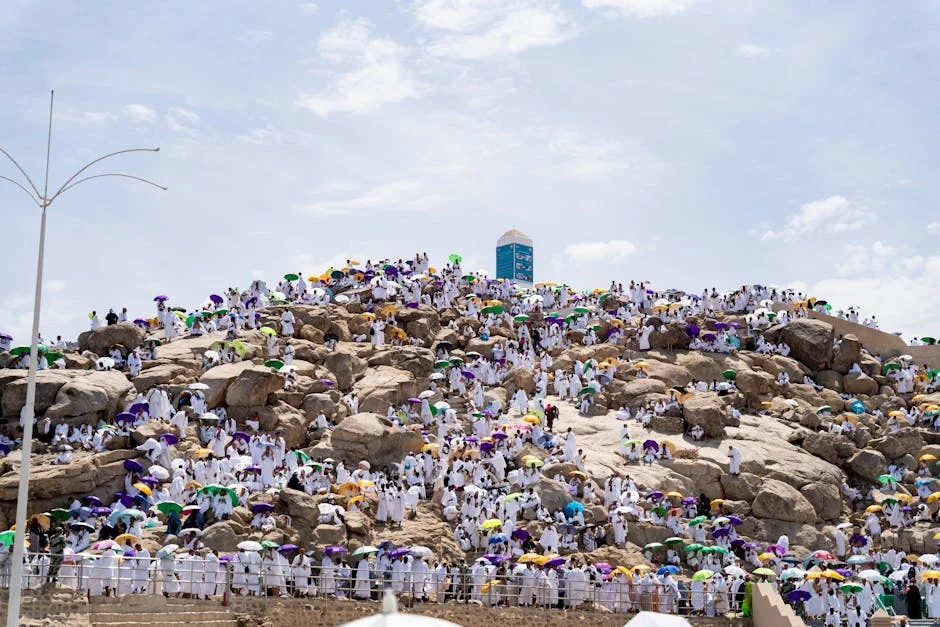
Singapore's Islamic Religious Council (Muis) coordinates the country's participation each year, managing everything from visa applications to accommodation bookings in the kingdom. The 2024 pilgrim season unfolds amid heightened logistical challenges in Saudi Arabia, where authorities have been expanding infrastructure around the Grand Mosque to accommodate growing numbers.
Economic Stakes Behind the Pilgrimage
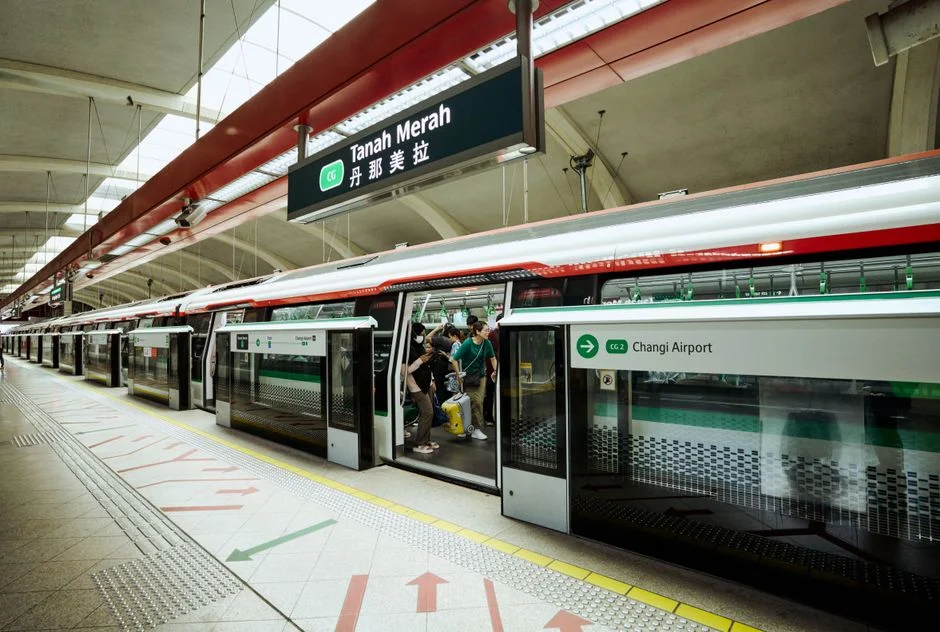
The haj generates billions of dollars for Saudi Arabia's economy annually. Hospitality companies, transport operators, and retail businesses in Mecca and Medina rely heavily on the influx of pilgrims during the sacred period. For Singapore, the pilgrimage represents a significant outflow of spending — pilgrims typically spend thousands on flights, accommodation, and religious services.
Benefits for Singapore's Travel Industry
Singapore Airlines and Scoot regularly operate special charter flights during haj season, adding capacity to meet demand from pilgrims and their accompanying family members. The routes connecting Changi to Jeddah and Riyadh see heightened activity during this period. Travel agencies specialising in halal tourism also see a spike in bookings for related services, from visa assistance to pre-departure briefings.
Pilgrim spending extends beyond the journey itself. Many families host gatherings and religious programmes upon the pilgrims' return, driving demand for catering services, traditional food suppliers, and modest fashion retailers in Singapore.
Saudi Arabia's Tourism Diversification
Saudi Vision 2030 places significant emphasis on expanding the kingdom's tourism sector, with haj and umrah pilgrimages serving as cornerstones of that strategy. Crown Prince Mohammed bin Salman has invested heavily in expanding visa programmes and hotel capacity around Mecca and Medina, targeting 30 million pilgrims annually by 2030.
The influx of Singaporean pilgrims fits within a broader pattern of increased regional participation. Southeast Asian nations, including Indonesia, Malaysia, and the Philippines, send some of the largest pilgrim contingents to Saudi Arabia each year, making the haj economy a significant diplomatic and commercial consideration for the kingdom.
What Happens Next
Singapore's Ministry of Culture, Community and Youth confirmed that remaining pilgrim groups are expected to return through Changi Airport over the coming weeks. Muis typically conducts reintegration programmes for returning pilgrims, including health screenings and religious guidance sessions.
Aviation analysts are watching whether post-pandemic demand for religious travel continues its upward trajectory. Airlines serving the Jeddah-Singapore route have added frequency in recent years, and industry insiders suggest that seat availability often falls short of demand during haj season.
The next haj season typically begins in early summer. Saudi authorities are expected to announce next year's pilgrim quota by the fourth quarter, giving countries like Singapore time to prepare their selection processes and travel arrangements.
See Also
- NZ Beats England in Rain-Soaked Day International
- India's Gold Rush: Wedding Season Demand Pushes Prices Higher
Many families host gatherings and religious programmes upon the pilgrims' return, driving demand for catering services, traditional food suppliers, and modest fashion retailers in Singapore.Saudi Arabia's Tourism DiversificationSaudi Vision 2030 places significant emphasis on expanding the kingdom's tourism sector, with haj and umrah pilgrimages serving as cornerstones of that strategy. Southeast Asian nations, including Indonesia, Malaysia, and the Philippines, send some of the largest pilgrim contingents to Saudi Arabia each year, making the haj economy a significant diplomatic and commercial consideration for the kingdom.What Happens NextSingapore's Ministry of Culture, Community and Youth confirmed that remaining pilgrim groups are expected to return through Changi Airport over the coming weeks.
What is the latest news about first singaporean haj pilgrims return from saudi arabia travel sector braces?
Why does this matter for environment-nature?
What are the key facts about first singaporean haj pilgrims return from saudi arabia travel sector braces?