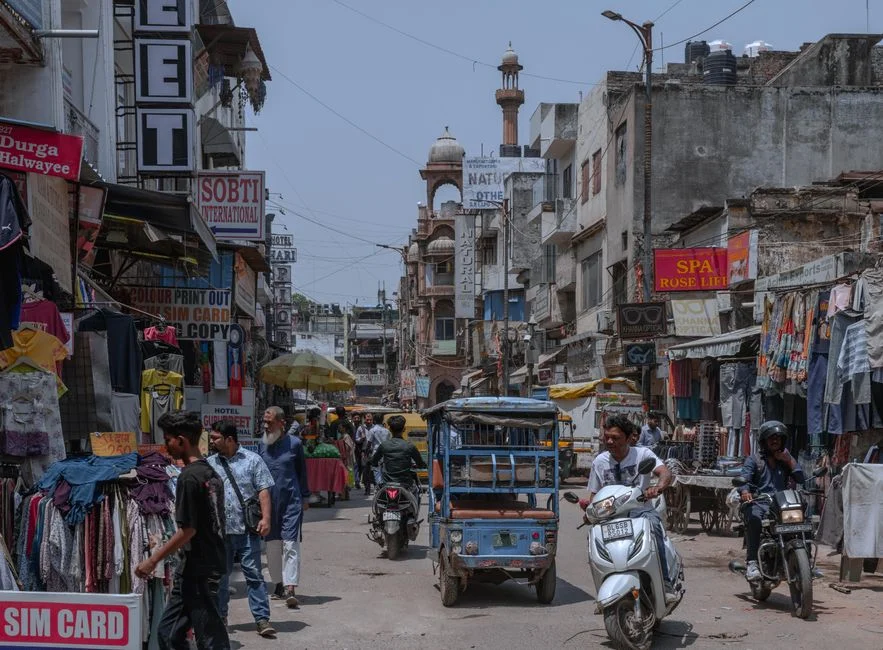
Gold demand during India's wedding season has become a significant economic force, with millions of families purchasing jewellery for celebrations that traditionally require the precious metal. The intersection of cultural tradition and market economics has created price pressures that extend well beyond the country's borders.
Gold Anchors Indian Wedding Traditions
For centuries, gold has occupied a central role in Hindu weddings across India. The metal symbolises wealth, prosperity, and blessing for the couple's future. Bridal jewellery, often purchased by the groom's family for the bride, represents a substantial financial commitment that can determine a family's savings for years.
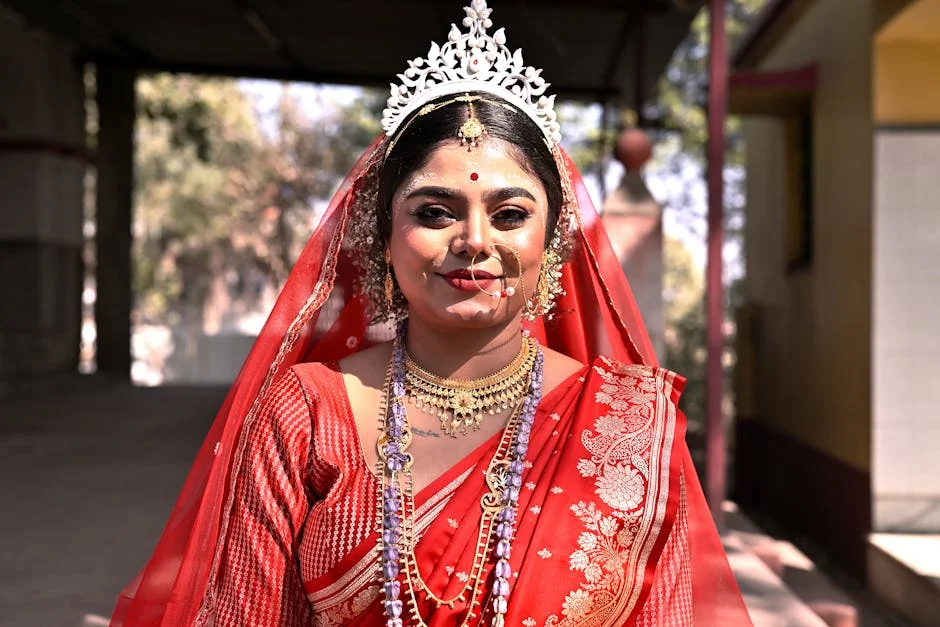
The sheer scale of these transactions shapes commodity markets in ways few other cultural practices can match. Every major jeweller reports surges in foot traffic during auspicious wedding dates, which astrologers determine based on planetary alignments.
Price Pressures Mount as Demand Peaks
Recent weeks have seen gold prices climb as the wedding calendar moves into its busiest phase. Jewellers across Mumbai, Delhi, and Chennai report customers negotiating purchases more carefully as prices test new thresholds. Families who budgeted for gold six months ago are finding their allocations fall short of planned quantities.
The strain extends to goldsmiths in Zaveri Bazaar, Mumbai's historic jewellery market, who describe customers requesting lighter designs or alternative alloys to stay within budget. This adaptation signals how price sensitivity is reshaping purchasing behaviour even among those who view gold as non-negotiable for weddings.
Market Ripple Effects Reach Singapore
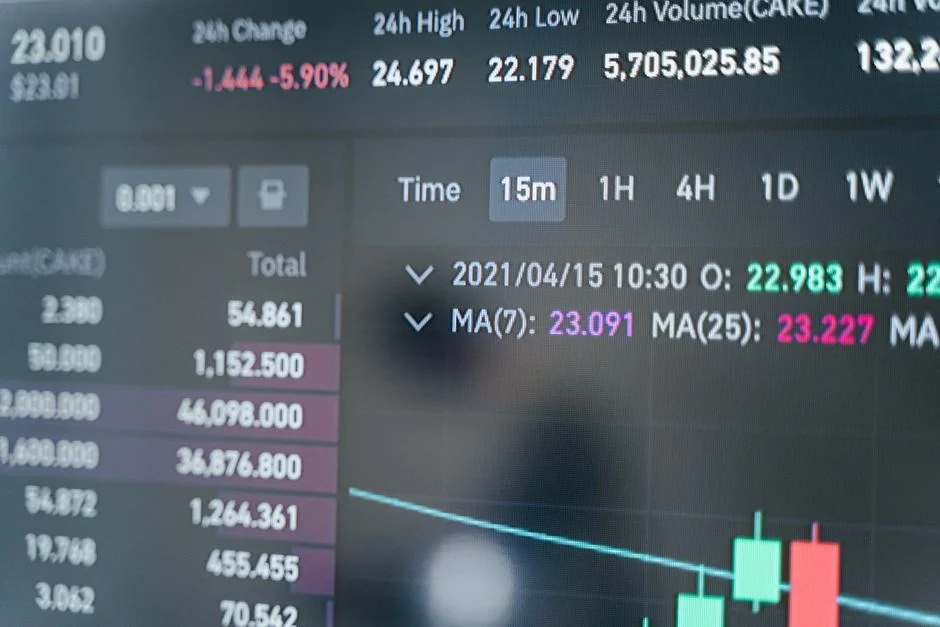
India's gold purchasing patterns influence global spot prices, creating implications for investors and traders in financial centres across Asia. Singapore, as a regional hub for commodity trading, experiences indirect effects from shifts in Indian demand. Bullion dealers in the city-state note that volatility in Indian wedding season buying translates into price swings that affect local premiums.
Central banks adjust their gold reserve strategies partly in response to demand signals from major consuming nations like India. When Indian purchases surge, global monetary authorities recalibrate their positions accordingly.
Financing Innovations Change the Equation
Recognising the financial burden that gold purchases place on families, several Indian fintech companies have launched buy-now-pay-later schemes specifically for jewellery purchases. These platforms allow families to spread the cost of wedding gold over 12 to 24 months, effectively decoupling the purchase from immediate savings constraints.
The model mirrors broader BNPL trends but targets the high-ticket jewellery market that traditional financing often overlooks. Whether this accessibility increases overall gold demand or simply reshapes when purchases occur remains unclear.
What Comes Next
Analysts tracking gold markets will monitor Indian wedding season data closely over the coming weeks. Final Q4 figures on gold imports will reveal whether demand held steady despite price increases or whether consumers pulled back significantly. Jewellers expect the current spike to sustain through the end of the year before seasonal moderation in January.
The longer-term question centres on whether younger Indian consumers will maintain their parents' enthusiasm for gold as wedding jewellery. Early indications suggest some drift toward diamond and platinum alternatives, but gold's cultural weight ensures it will remain central to the wedding economy for generations.
See Also
What is the latest news about indias gold rush wedding season demand pushes prices higher?
Why does this matter for environment-nature?
What are the key facts about indias gold rush wedding season demand pushes prices higher?