Binance, the world's largest cryptocurrency exchange, is exploring plans to offer Asian equity trading alongside its dominant cryptocurrency services. The timing matters. Bitcoin has dropped about 25 percent from its March peak above $73,000, and traders are watching whether the decline signals a correction or something worse.
What Binance Is Planning
The Dubai-based exchange has signalled its intent to expand stock trading capabilities across Asian markets, according to people familiar with the matter. The company already commands roughly 40 percent of global crypto trading volume, and its platform processes billions in daily transactions. Extending into equities would mark a significant shift toward becoming a full-service financial platform.
The strategy mirrors moves by other crypto-native firms seeking to diversify beyond volatile digital asset markets. For Binance, which has navigated regulatory challenges in the United States and Europe, Asian expansion offers access to faster-growing retail investor bases in Southeast Asia and India.
Bitcoin's Slide Changes the Calculus


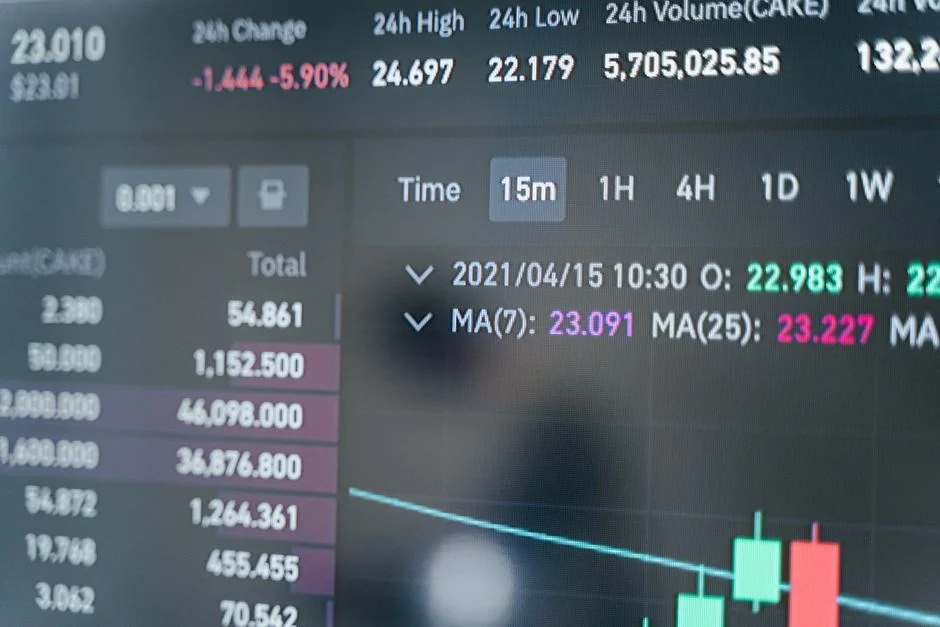
The timing of Binance's equity ambitions coincides with a sharp pullback in Bitcoin. The world's largest cryptocurrency by market capitalisation has fallen to around $57,800, its lowest point since February. The decline has wiped approximately $300 billion from total crypto market capitalisation in three weeks.
Trading volumes on Binance's spot markets have declined in line with broader market weakness. Less volatile conditions typically push retail traders toward lower-risk products, creating an opening for platforms offering traditional securities alongside crypto services.
Why Asia Is the Target
Asia represents the fastest-growing market for both cryptocurrency adoption and retail equity investing. Countries like Indonesia, Vietnam, and the Philippines have seen surging interest in digital assets among younger investors who first entered financial markets through crypto trading platforms.
Traditional brokerage penetration remains relatively low across much of the region, creating a gap that fintech platforms have been eager to fill. Binance's existing user base of 128 million registered accounts gives it a ready audience if regulators approve its stock trading plans.
Regulatory Hurdles Stand in the Way
Binance will need to secure securities licences in each Asian market it targets, a process that typically takes years. The Monetary Authority of Singapore issued a warning against Binance in 2021, and the exchange subsequently restricted Singapore dollar transactions on its platform. Similar caution from regulators in Hong Kong, South Korea, and Japan has complicated the exchange's expansion efforts in the past.
Each country maintains distinct rules governing what qualifies as a security, creating a patchwork of requirements that global platforms must navigate carefully. Binance's settlement with US authorities in 2024, which included a $4.3 billion payment, has made some regulators more cautious about engaging with the company.
The Competitive Landscape
Regional brokers and fintech platforms are already entrenched in many Asian markets. Companies like Interactive Brokers have expanded their presence across Singapore and Hong Kong. Local platforms such as Futu Holdings, which offers trading across Asian and US markets, serve millions of active users. Any Binance entry would directly challenge these established players.
The exchange's advantage lies in its existing customer relationships and brand recognition. Convincing regulators that it can operate equity markets as responsibly as it manages crypto trading will be the harder sell.
What It Means for Investors
For Singapore-based retail investors, Binance's potential move raises familiar questions about platform choice and regulatory protection. The Monetary Authority of Singapore has maintained that digital payment token services providers must comply with anti-money laundering requirements, and platforms facilitating securities trading fall under additional licensing regimes.
Whether Binance can satisfy these requirements while delivering competitive pricing remains to be seen. Commission-free equity trading has become standard in many markets, forcing platforms to generate revenue through subscription models or interest on idle cash balances.
The broader question is whether crypto-native platforms can successfully transition to offering traditional financial products. Several competitors have attempted similar moves, with mixed results.
What Comes Next
Binance has not announced a specific timeline for its Asian equity trading launch. The company will need to file formal applications with financial regulators across the region, a process that involves detailed disclosures about ownership structure, internal controls, and customer asset segregation.
Watch for announcements from the Monetary Authority of Singapore regarding any new licence applications from Binance or its affiliates. Regulators in Hong Kong have signalled openness to digital asset innovation while maintaining strict investor protection standards, making that market a potential early test case.
Bitcoin's price trajectory will also influence how quickly Binance can execute its diversification strategy. A sustained recovery toward $70,000 would restore confidence and trading volumes, providing the exchange with stronger footing to pursue ambitious expansion plans. Continued weakness, however, may force a recalibration of timelines and resource allocation.
See Also
- Simulator Surpasses 50 Million Players as Power Games Dominate Awards
- Saramago Curriculum Launches New Economic Opportunities in Singapore
Binance's settlement with US authorities in 2024, which included a $4.3 billion payment, has made some regulators more cautious about engaging with the company.The Competitive LandscapeRegional brokers and fintech platforms are already entrenched in many Asian markets. Companies like Interactive Brokers have expanded their presence across Singapore and Hong Kong.
What is the latest news about binance eyes asian stock trading as bitcoin drops to fivemonth low?
Why does this matter for economy-business?
What are the key facts about binance eyes asian stock trading as bitcoin drops to fivemonth low?