The fall of India's Communist Party, once a dominant force across numerous states, raises questions about its implications on the economy and investment landscape. Once commanding significant influence, especially in West Bengal, the party's decline reflects changes in voter sentiments and economic priorities that could affect market stability.
Historical Context of Communist Rule in India
The Indian Communist Party saw its peak in the late 20th century, particularly in West Bengal, where it held power for over three decades from 1977 to 2011. During this period, the party focused on agrarian reform and socialist policies, appealing to the rural electorate. However, the gradual shift toward neoliberal reforms and globalisation has eroded its support base.
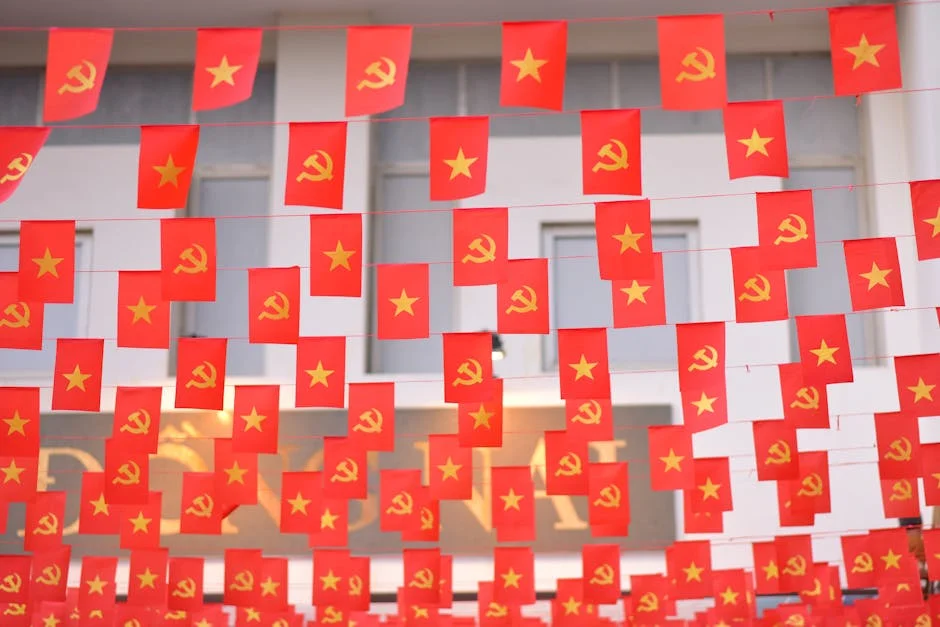
In the 2021 state elections, the Communist Party of India (Marxist) lost control of West Bengal, securing only 1.2% of the vote. This notable decline indicates a shift in public opinion towards more progressive and development-oriented governance.
Current Political Landscape

The Bharatiya Janata Party (BJP) has emerged as the dominant political force in India by appealing to both urban and rural voters with promises of development and economic growth. The Communist Party's failure to adapt to changing economic and social dynamics has highlighted its inability to connect with younger voters seeking change.
As the BJP solidifies its hold, investors are recalibrating their strategies, considering the regulatory and market implications stemming from this political shift. Understanding the current dynamics is crucial for businesses looking to navigate a landscape dominated by a pro-business government.
Market Reactions to Political Changes
The decline of communism in India is affecting market sentiments. The Sensex index, reflecting investor confidence, surged by 15% post-election results, signalling a preference for the market-friendly policies of the current government. Investors are increasingly inclined to capitalize on this momentum in sectors such as technology and manufacturing.
Moreover, the pro-business stance of the BJP has led to an influx of Foreign Direct Investment (FDI). In 2022, India attracted a record $84 billion in FDI, primarily driven by sectors expected to flourish under the current administration.
Implications for Business Operations
With the waning influence of communism, businesses are realigning their operations to match the central government's direction. Companies that previously exercised caution due to the Communist-led state policies are now more optimistic. The BJP's policies have made it easier to do business, with deregulation and infrastructural development in focus.
However, labour laws and environmental regulations are still under scrutiny, and companies must navigate these complexities to maintain compliance while maximising profitability. The transition from a communist framework to a market-driven approach also means adapting to new consumer preferences among India's burgeoning middle class.
Investment Perspectives Going Forward
For investors, the decline of communism presents both opportunities and challenges. The move towards liberalisation opens doors for sectors like renewable energy, e-commerce, and digital technologies. Analysts predict that these sectors will continue to attract significant investment.
That said, potential risks remain. Investors should remain cautious of regional disparities, as states with strong leftist sentiments may pose challenges for businesses. Moreover, the fallout from socio-economic policies will continue to be a focal point for businesses and investors watching the landscape closely.
What to Watch Next
Looking ahead, the upcoming state elections in Tamil Nadu and Kerala will be pivotal in understanding the future of leftist politics in India. Observers should monitor the voter response to the BJP's policies and whether the communists can regain their footing in these traditional strongholds.
As these developments unfold, businesses and investors must remain agile, adapting to the rapidly changing political and economic environment in India. The evolving landscape will undoubtedly shape strategies and outcomes in the coming years.
See Also
- Jason Derulo's Singapore Concert Boosts Local Economy — Here's How
- Shark Attack at Rottnest Island Triggers Tourism Revenue Fears