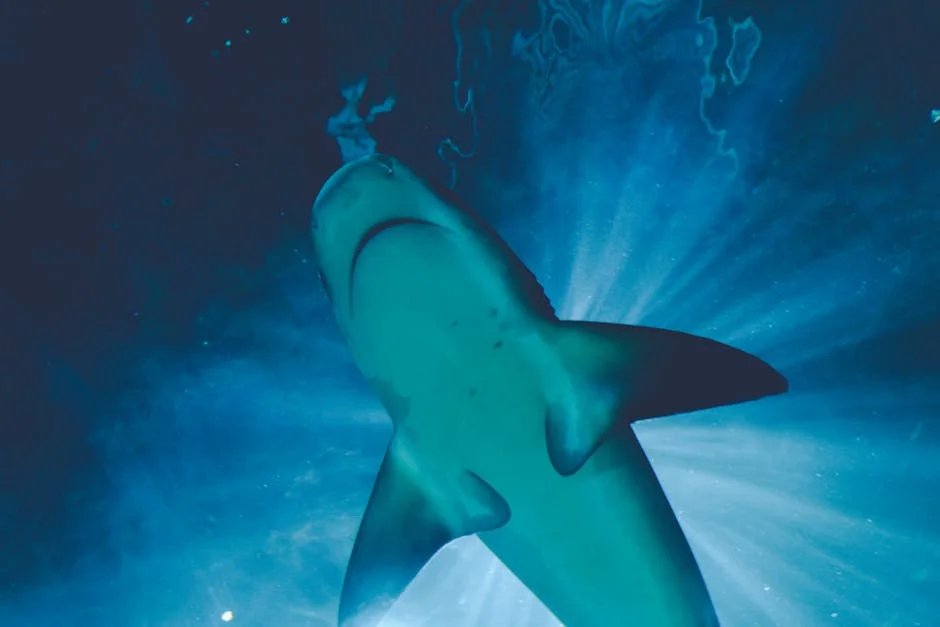
A 13-foot great white shark killed a swimmer at Horseshoe Reef near Rottnest Island in Western Australia, sending shockwaves through the region's vital tourism sector. The incident, which occurred during peak daylight hours, has immediately intensified scrutiny on coastal safety protocols and their direct impact on consumer confidence. Investors are now closely monitoring early booking data to gauge the potential financial fallout for local businesses.
Immediate Economic Impact on Local Businesses
The tourism industry in Perth relies heavily on the perceived safety of its coastal attractions. Rottnest Island alone contributes millions of dollars annually to the Western Australian economy through accommodation, dining, and transport revenues. A fatal shark attack disrupts this stability, often leading to immediate cancellations and a hesitation among prospective visitors. Local hoteliers have already reported a spike in last-minute cancellations within hours of the news breaking. This sudden drop in occupancy rates directly affects cash flow for small and medium-sized enterprises operating on the island.

Businesses that depend on daily footfall, such as bike rental shops and café operators, face an uncertain short-term outlook. The psychological impact of a predator of this size—a 13-foot great white—is profound for tourists who may not have previously considered shark activity as a primary risk factor. This shift in consumer sentiment can linger well beyond the immediate news cycle, affecting booking trends for the upcoming holiday season. Companies must now adapt their marketing strategies to reassure clients while managing increased operational costs for safety measures.
Market Reactions and Investment Perspectives


Financial markets often react swiftly to tangible disruptions in consumer behavior. While a single incident may not crash the broader Australian tourism sector, it introduces volatility for specific regional plays. Investors in hospitality and leisure stocks are analyzing historical data to predict the duration of the economic dip. Previous shark-related incidents in Western Australia have shown that while initial bookings drop, long-term revenue often recovers if safety communications are effective. However, the speed of this recovery depends on how quickly trust is restored among the key demographic of domestic and international travelers.
The broader economic implication involves the multiplier effect of tourism spending. When tourists stay away, local suppliers, from fishermen to transport operators, see reduced demand. This can lead to temporary job cuts or reduced working hours for the local workforce in Perth and surrounding areas. Analysts are watching for signs of government intervention, such as targeted marketing campaigns or temporary tax incentives, to stabilize the local economy. The ability of Western Australia to maintain its competitive edge against other Australian states like Queensland will be tested in the coming months.
Safety Infrastructure and Capital Expenditure
In response to the incident, the Western Australian government is expected to accelerate capital expenditure on shark detection technology. This includes the expansion of smart drum lines and the integration of sonar and thermal imaging systems around popular swimming spots like Horseshoe Reef. For investors, this represents a shift in public spending priorities, benefiting technology firms specializing in marine safety solutions. Companies involved in the supply chain for these technologies may see a short-term boost in orders and contract values. This infrastructure upgrade is not just a safety measure but an economic investment designed to protect the region's primary revenue generator.
The cost of these measures must be weighed against the potential loss of tourism revenue. If the technology is perceived as effective, it can serve as a unique selling point for the destination, attracting risk-aware travelers. However, if the costs are passed on to consumers through higher entry fees or taxes, it could slightly dampen demand. Businesses must navigate this balance carefully to ensure that safety enhancements do not erode profit margins. The efficiency of the deployment will be a key metric for economic recovery.
Consumer Confidence and Brand Perception
Brand perception is critical for tourism destinations. Rottnest Island is marketed as a pristine, family-friendly getaway. A fatal shark attack challenges this narrative, requiring a strategic communication response from local tourism boards. The effectiveness of this response will determine how long the negative sentiment persists. Social media plays a significant role in shaping public opinion, with viral videos and real-time updates influencing traveler decisions more than traditional press releases. Tourism operators must engage directly with consumers to address concerns and highlight statistical safety records to counteract the emotional impact of the incident.
Historical data suggests that while fear is immediate, rational assessment often follows. Travelers typically weigh the rarity of shark attacks against the overall quality of the destination. However, the 13-foot size of the shark involved in this incident adds a dramatic element that may prolong the period of uncertainty. Tourism agencies in Perth are preparing contingency plans that include flexible cancellation policies to reduce the friction for hesitant bookers. These policies, while costing money in the short term, help maintain customer loyalty and positive reviews, which are vital for long-term brand health.
Regional Economic Dependencies
Western Australia's economy is often associated with mining, but tourism is a crucial diversifier. The state government has invested heavily in positioning Perth and its surrounds as a top-tier international destination. Any setback in this sector has ripple effects across the state budget. Tax revenues from tourism help fund public services and infrastructure projects that benefit other industries, including the mining sector. A sustained decline in tourist numbers could lead to tighter fiscal conditions, potentially affecting public spending and, by extension, local business contracts. This interdependency highlights the broader economic stakes of maintaining a safe and attractive tourism environment.
The incident also draws attention to the need for economic resilience. Over-reliance on a single attraction or region can leave the broader economy vulnerable to localized shocks. Diversification of tourism offerings, such as promoting inland attractions or cultural experiences in Perth, can help mitigate the impact of coastal-related risks. Businesses are encouraged to explore cross-promotional strategies to draw visitors away from high-risk zones while still contributing to the regional economy. This strategic shift can provide a buffer against future environmental or safety-related disruptions.
Long-Term Strategic Implications
The long-term implications of this shark attack extend beyond immediate financial losses. They influence policy decisions regarding coastal development and marine conservation. Stricter regulations may be introduced to manage human-shark interactions, which could affect fishing industries and marine tourism operators. These regulatory changes require businesses to adapt their operational models, potentially increasing compliance costs. However, they also create opportunities for innovation in marine management and eco-tourism products that emphasize coexistence and education. Investors should look for companies that are proactive in adapting to these regulatory shifts.
Furthermore, the incident may accelerate the adoption of data-driven decision-making in the tourism sector. Real-time monitoring of shark activity and its correlation with tourist behavior can provide valuable insights for resource allocation. This data can help businesses optimize their staffing and marketing efforts to match demand fluctuations. The integration of technology in tourism management is a growing trend, and this incident may serve as a catalyst for faster adoption in Western Australia. Companies that leverage data effectively will be better positioned to navigate future uncertainties and capitalize on emerging opportunities.
Authorities in Western Australia are expected to announce a comprehensive review of shark management strategies within the next 30 days. This review will likely include input from marine biologists, local business leaders, and tourism stakeholders. Investors and business owners should monitor these announcements for clues about upcoming policy changes and potential market shifts. The outcome of this review will set the tone for the region's economic recovery and long-term tourism strategy.
See Also
- Chelsea Misses Pedro in World Cup Squad — Shareholders Watch
- 8-Year-Old Karting Prodigy Giuliana Saladino Set to Boost South African Motorsport Sector
Tourism operators must engage directly with consumers to address concerns and highlight statistical safety records to counteract the emotional impact of the incident. Social media plays a significant role in shaping public opinion, with viral videos and real-time updates influencing traveler decisions more than traditional press releases.