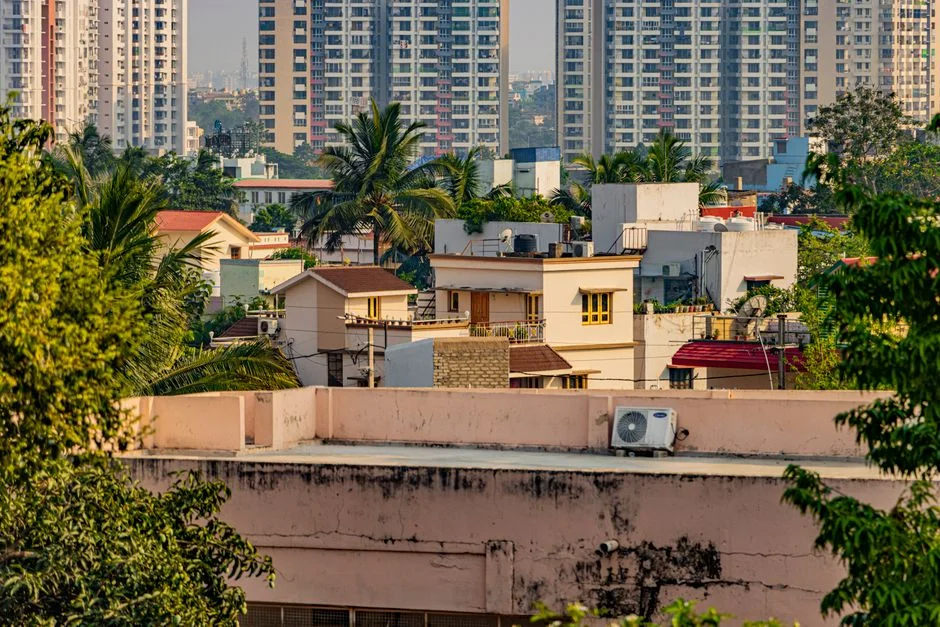
India is grappling with extreme heat conditions, with temperatures soaring to 45°C in several regions, including Delhi and Rajasthan. This unprecedented heatwave, attributed to worsening climate change, has begun to disrupt agricultural productivity and strain energy resources across the nation.
Economic Repercussions of the Heatwave
The Indian government reported that agricultural output could decline by 20% this year due to the intense heat, which has dried up soils and stressed crops. This situation threatens food supply chains and could lead to increased prices for staple goods, directly impacting inflation rates. The Reserve Bank of India has already indicated concerns over inflation, projecting a rise above 6% for the coming months.

Additionally, energy demand soared as households and businesses turn to air conditioning to cope with the unbearable heat. The Indian Energy Exchange noted a dramatic increase in electricity consumption, reaching 200 GW during peak hours this week. Such unprecedented demand puts immense pressure on a power grid that is already struggling with outages and insufficient supply.
Impact on Agriculture and Food Security


Agricultural sectors are particularly vulnerable to this extreme weather. According to the Ministry of Agriculture, states like Punjab and Haryana, which are key grain-producing regions, risk failing to meet their harvest targets this year. The combination of drought conditions and excessive heat has compromised crops such as wheat and pulses, which are essential for both domestic consumption and export.
As the heatwave continues, farmers face not only immediate losses but also long-term repercussions for their livelihoods. Many are urging the government for immediate assistance and support measures, as their financial stability hangs in the balance.
Market Reactions and Investor Concerns
Investors have reacted sharply to the news of extreme heat in India. Shares of relevant sectors, particularly agriculture and energy, have seen increased volatility. Companies reliant on agricultural outputs are experiencing pressure, with stock prices dropping by an average of 15% this week. Investors are wary of potential supply chain disruptions and rising prices, leading to cautious trading in the Indian stock market.
Furthermore, the forex market shows signs of instability, as the Indian rupee weakens amid inflationary pressures. Investors are seeking refuge in safer assets, which could lead to decreased foreign investment in the region.
Government Response to Climate Challenges
In response to the heat crisis, the Indian government has announced emergency measures aimed at mitigating the impact on both consumers and businesses. These include financial support for affected farmers and investment in renewable energy sources to alleviate pressure on the power grid. The Ministry of Power confirmed a new initiative to enhance energy efficiency in urban and rural areas.
Yet, experts caution that these measures may only provide temporary relief. As climate change continues to escalate, long-term strategies are imperative to ensure a sustainable and resilient economy. The Climate Change Authority has called for more stringent regulations to address environmental challenges and to prepare for future climate-related events.
Looking Ahead: What to Watch
The next few weeks will be critical as India assesses the full impact of this heatwave on its economy. Analysts will closely monitor agricultural outputs and inflation trends, which could provide insight into future market movements. The government’s ability to implement effective reforms and support measures will determine the resilience of businesses and investors during this crisis.
As the country grapples with the immediate effects of extreme temperatures, stakeholders from various sectors must prepare for potential disruptions and adapt to a changing environment. The urgency of the situation calls for a collective response to mitigate the economic fallout and safeguard livelihoods.
See Also
- NZ Beats England in Rain-Soaked Day International
- Israel Detains Three Portuguese Citizens — Markets Brace for Diplomatic Shockwaves
Investors are seeking refuge in safer assets, which could lead to decreased foreign investment in the region.Government Response to Climate ChallengesIn response to the heat crisis, the Indian government has announced emergency measures aimed at mitigating the impact on both consumers and businesses. The Climate Change Authority has called for more stringent regulations to address environmental challenges and to prepare for future climate-related events.Looking Ahead: What to WatchThe next few weeks will be critical as India assesses the full impact of this heatwave on its economy.
What is the latest news about india faces extreme heat crisis economic disruption looms for businesses?
Why does this matter for environment-nature?
What are the key facts about india faces extreme heat crisis economic disruption looms for businesses?