Global automotive giants are grappling with intense competition from China, which now commands a staggering 60% share of the global electric vehicle (EV) market as of September 2023. This rapid rise threatens traditional manufacturers in Europe and the United States, forcing them to reassess their strategies in a landscape increasingly dominated by Chinese firms.
China's Market Domination
China's EV market has grown exponentially, with sales hitting 6.9 million units in 2022, up from just 1.3 million in 2019. Leading the charge are homegrown companies like BYD and NIO, which have made significant inroads not just in China but also in international markets. For instance, BYD's sales doubled in the first half of 2023, showcasing its robust performance and ability to capture market share rapidly.
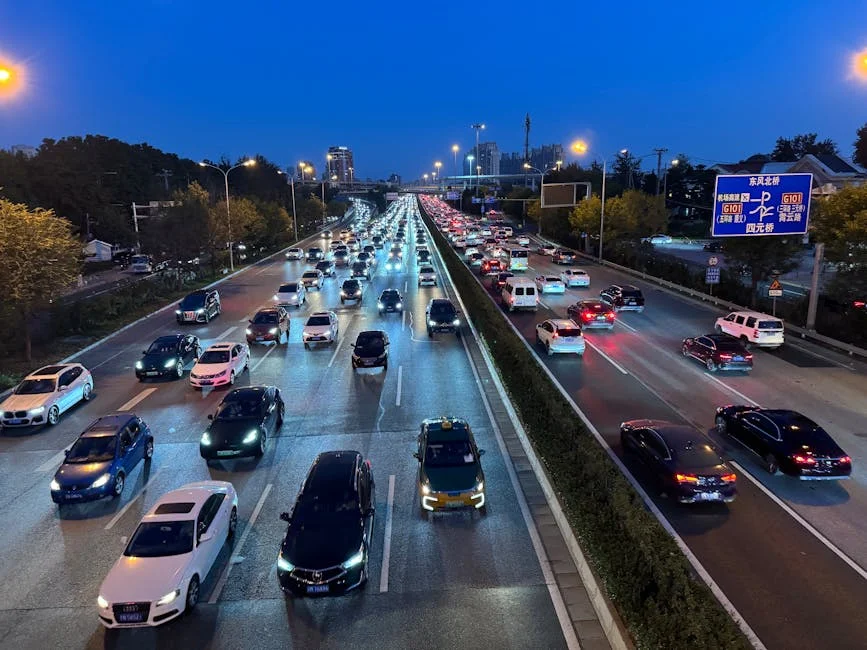
The Chinese government’s unwavering support for the EV sector, including subsidies and investments in charging infrastructure, has created a conducive environment for local manufacturers. As a result, European and American carmakers now face an uphill battle to keep pace with the aggressive pricing and innovation emanating from their Chinese counterparts.
Market Reactions and Investor Concerns


Investors are reacting to these shifts with caution. Stock prices of traditional automakers like Volkswagen and Ford have seen fluctuations amid fears of declining market shares. For instance, Volkswagen's stock dipped by 7% following its announcement of production delays for several EV models, a direct consequence of supply chain issues exacerbated by competition from China.
Analysts warn that if European and American carmakers do not adapt quickly, they risk losing their foothold in a market that is rapidly evolving. This uncertainty has led to a more cautious approach among investors, who are closely monitoring developments in both the EV market and geopolitical tensions, particularly concerning trade relations with China.
Business Implications for Global Automakers
The implications for global businesses are profound. Carmakers are now investing heavily in research and development to innovate and produce competitive EVs that can match or surpass Chinese offerings. Ford recently committed $50 billion towards its electrification strategy, aiming to launch several new models over the next five years.
Moreover, partnerships and joint ventures are becoming more common as established automakers seek to leverage local expertise in manufacturing and distribution. For example, Hyundai has announced plans to collaborate with local firms in China to enhance its production capabilities and consumer reach.
Policy Responses and Strategic Adjustments
In response to this competitive pressure, some governments are reconsidering their policies towards the automotive sector. The European Union is considering introducing stricter regulations on imported vehicles to support local manufacturers. These policies could potentially include tariffs or incentives for domestic production, thereby reshaping the market dynamics further.
Car manufacturers are also recalibrating their marketing strategies to appeal to environmentally conscious consumers. With a growing segment prioritising sustainability, companies like Tesla are continuing to lead the charge, compelling others to follow suit in their marketing narratives.
What Investors Should Watch Next
Investors must stay vigilant as the automotive landscape transforms. Key developments to monitor include upcoming earnings reports from major carmakers, which may reveal how well they are adapting to the competitive pressure from China. Additionally, watch for regulatory changes in Europe and the U.S. aimed at bolstering local manufacturers.
The ongoing global supply chain crisis could also influence production timelines and pricing strategies, making it a crucial factor for investors assessing long-term viability in the automotive sector.
As the competition intensifies, only those companies willing to innovate and adapt their strategies will thrive in this rapidly changing environment. What remains clear is that the Chinese automotive market will continue to impact global dynamics significantly in the near future.
See Also
- Matt Brittin to Lead BBC as New Director-General
- Borno Buries Killed Brigadier General in Tragic Ceremony
What is the latest news about european carmakers struggle as china surges in ev market share?
Why does this matter for economy-business?
What are the key facts about european carmakers struggle as china surges in ev market share?