Indonesia has abruptly tightened its grip on the global nickel supply chain, a move that sends immediate ripples through Asian financial markets and manufacturing hubs. The strategic pivot, driven by President Prabowo Subianto’s administration, signals a shift from mere resource extraction to aggressive downstream industrialization. This decision directly impacts Singapore-based traders and global electric vehicle manufacturers who rely on the Southeast Asian giant for raw materials.
The economic implications are profound, as Jakarta seeks to capture more value before its minerals leave the archipelago. Investors in Jakarta and Singapore are now recalibrating their portfolios to account for potential price volatility and supply bottlenecks. The stakes are high for the global green energy transition, which depends heavily on nickel for battery production.
Nickel Export Restrictions Tighten
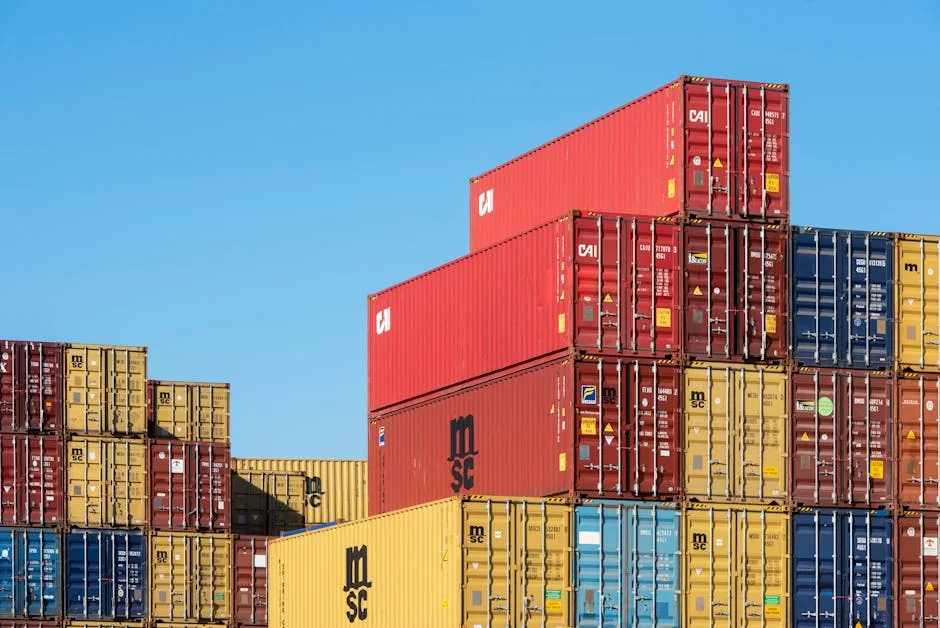
The Indonesian government has moved to restrict raw nickel exports, forcing foreign buyers to purchase processed materials or invest directly in local smelters. This policy is not entirely new but has been intensified under the current administration to maximize revenue. The Minister of Trade, Zulkifli Hasan, confirmed that the quotas for raw ore are shrinking, pushing prices for processed nickel matte higher.
This strategy aims to transform Indonesia from a commodity exporter into a manufacturing powerhouse. The goal is to attract foreign direct investment in smelting and battery component factories. For businesses in Singapore, this means higher input costs for nickel-based products, which could squeeze profit margins in the short term.
The immediate effect is visible in London Metal Exchange prices, which have seen increased volatility since the announcement. Traders are hedging against potential shortages, leading to a surge in futures contracts. This market reaction highlights the sensitivity of global supply chains to political decisions in Southeast Asia.
Impact on Local Smelting Industry
Local smelting capacity in Sulawesi and Kalimantan is expanding rapidly to meet the new demands. Companies like Vale and Antam are increasing their output to fill the gap left by reduced raw ore exports. This expansion requires significant capital expenditure, which is being funded by both domestic savings and foreign loans.
The government offers tax incentives to attract these investments, making Indonesia an attractive destination for mineral processing. However, the rapid expansion has also led to concerns about environmental sustainability and infrastructure strain. The local workforce is seeing wage increases, but inflation in mining towns is rising in response.
Foreign investors are closely monitoring the implementation of these policies to ensure stability. Any misstep could lead to capital flight or legal disputes with multinational corporations. The success of this strategy depends on the efficiency of the new smelters and the reliability of power supply in remote mining regions.
Global EV Supply Chain Disruption

The electric vehicle industry is particularly vulnerable to these changes, as nickel is a critical component of lithium-ion batteries. Major automakers in Europe and North America source a significant portion of their nickel from Indonesia. The tightening of exports threatens to slow down production lines if supply does not match demand.
Tesla, CATL, and LG Energy Solution have all invested heavily in Indonesian processing facilities. These investments were made to secure long-term supply contracts and reduce dependence on Australian and Canadian mines. Now, the pace of these projects must accelerate to keep up with the new export rules.
Singapore, as a key trading hub, feels the pressure through its logistics and financing sectors. Banks in the city-state are extending more credit to Indonesian mining firms, increasing exposure to the region’s economic health. This financial linkage means that any disruption in Jakarta could affect credit ratings and loan defaults in Singapore.
The global market is watching to see if Indonesia can maintain its quality standards while increasing volume. Inconsistencies in nickel purity could lead to rejections by battery manufacturers, causing further delays. This quality control issue is becoming a critical factor in the valuation of Indonesian nickel assets.
Investor Sentiment and Market Reaction
Stock markets in Jakarta have reacted positively to the news, with mining stocks surging on the promise of higher margins. However, broader economic indicators show mixed signals, as inflation remains a concern for the average Indonesian consumer. Investors are balancing the potential for higher corporate profits against the risk of domestic economic overheating.
Singaporean investors are diversifying their holdings to mitigate risks associated with Indonesian policy changes. This includes increasing exposure to Australian and Canadian nickel producers as alternative sources. The shift in investment flows reflects a cautious optimism about Indonesia’s long-term potential but acknowledges short-term uncertainties.
Currency markets are also responding, with the Indonesian Rupiah strengthening against the US Dollar. This appreciation is driven by increased foreign investment inflows and higher export revenues. However, a stronger Rupiah could make Indonesian exports more expensive, potentially affecting the competitiveness of other sectors like textiles and electronics.
Analysts warn that the volatility could persist until the market adjusts to the new supply dynamics. This period of adjustment requires careful management of liquidity and inventory levels by global traders. The ability of companies to adapt to these changes will determine their competitive advantage in the coming years.
Strategic Importance for Singapore
Singapore’s economic relationship with Indonesia is deep and multifaceted, extending beyond simple trade volumes. The two nations share a land border and a complex history of economic integration, making policy shifts in Jakarta highly relevant to Singaporean businesses. The recent tightening of nickel exports is a clear signal of Indonesia’s growing economic confidence and ambition.
For Singapore, this means a need to strengthen its position as a financial and logistics hub for the region. The city-state must offer value-added services that complement Indonesia’s resource wealth. This could include advanced financial products, legal arbitration services, and specialized engineering solutions for the mining sector.
The government in Singapore is likely to engage in diplomatic efforts to ensure smooth trade flows and investment protection. Bilateral agreements may be updated to reflect the new reality of downstream processing requirements. These diplomatic moves aim to create a stable environment for businesses operating across the border.
Businesses in Singapore are advised to review their supply chain dependencies and consider diversifying their sourcing strategies. Relying too heavily on a single country for critical raw materials exposes firms to geopolitical and policy risks. This strategic review is essential for maintaining resilience in a volatile global market.
Long-term Economic Consequences
The long-term consequences of Indonesia’s nickel policy could reshape the global mining landscape. Other resource-rich countries may follow suit, imposing their own export restrictions to capture more value. This trend could lead to a more fragmented and protectionist global commodity market.
For Indonesia, the success of this strategy depends on its ability to attract sustained foreign investment and improve infrastructure. The country must also manage environmental impacts and social equity to ensure long-term stability. Failure in any of these areas could undermine the economic gains from nickel exports.
Global investors need to monitor these developments closely, as they signal a shift in the balance of power in commodity markets. The rise of Indonesia as a mining superpower challenges the traditional dominance of Australia and Canada. This shift requires a re-evaluation of investment theses and risk assessments.
The economic data from the next few quarters will provide crucial insights into the effectiveness of these policies. Key indicators include export volumes, processing capacity utilization, and foreign direct investment flows. These metrics will help investors and policymakers understand the true impact of Indonesia’s strategic pivot.
What to Watch Next
Investors and businesses should closely monitor the quarterly reports of major Indonesian mining companies for signs of margin expansion or contraction. These financial statements will reveal the real-world impact of the export restrictions on profitability. Additionally, watch for announcements of new smelting projects and their expected completion dates.
The Indonesian government’s upcoming budget proposal will also be a key indicator of its priorities. Allocation of funds to infrastructure and energy sectors will signal the government’s commitment to supporting the mining industry. This information will help investors gauge the stability of the regulatory environment.
Global electric vehicle sales data will provide insights into the demand side of the nickel market. Any slowdown in EV adoption could put pressure on nickel prices, affecting the returns on investments in Indonesian smelters. This demand-side analysis is crucial for a balanced view of the market dynamics.
Finally, keep an eye on diplomatic statements from Singapore and other key trading partners. These statements may reveal negotiations on trade agreements or dispute resolutions that could impact market stability. The next three months are critical for establishing the new normal in the global nickel trade.
See Also
- Avi Lewis Promises NDP Comeback as Canada’s Political Landscape Shifts
- Taiwan Defies Trump Warning, Reinforces Independence Amid Rising Tensions
What is the latest news about indonesia seizes nickel exports global ev prices face shock?
Why does this matter for politics-governance?
What are the key facts about indonesia seizes nickel exports global ev prices face shock?