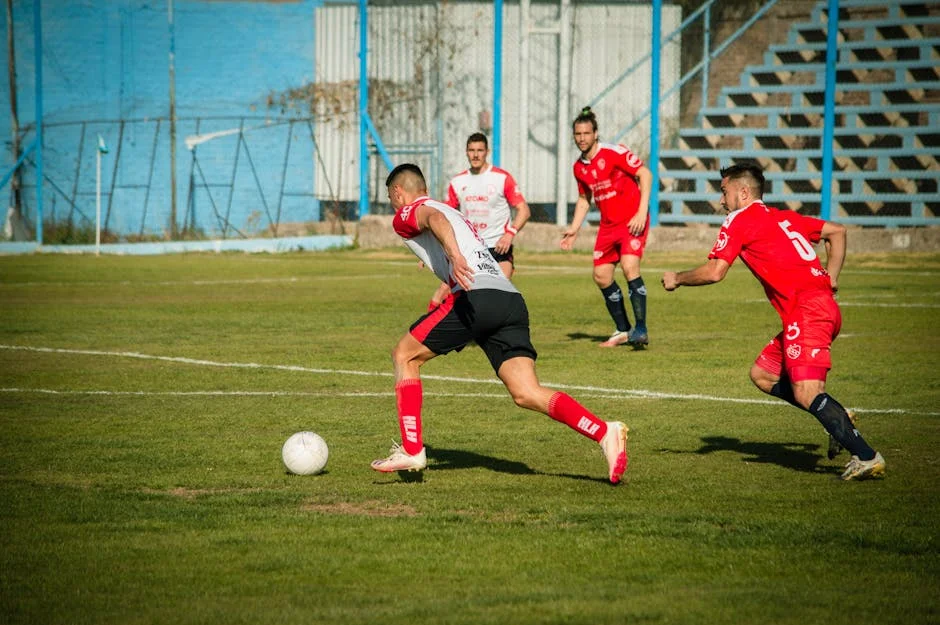
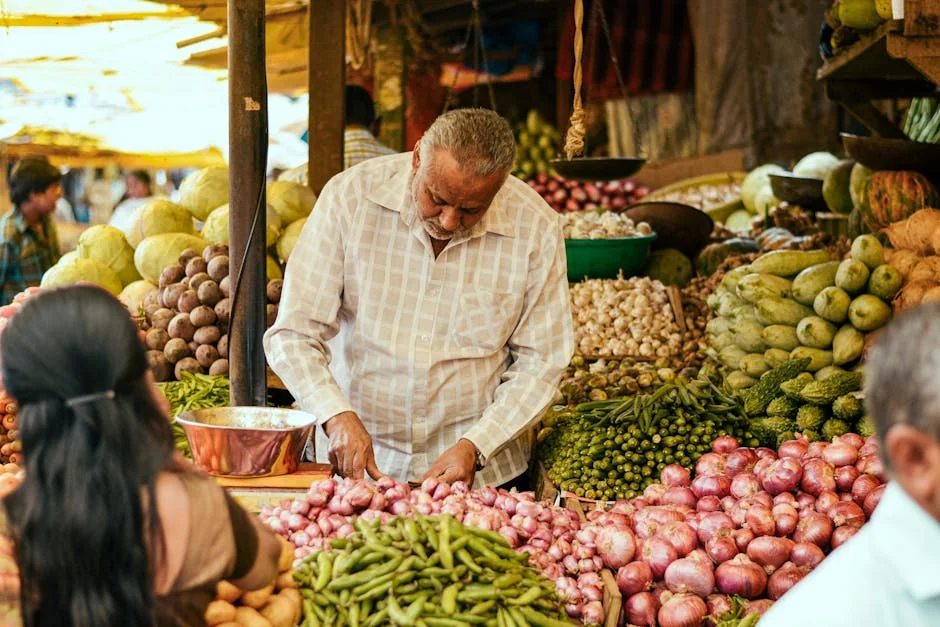
The Sports Authority of Andhra Pradesh has launched a strategic summer sports camp in Ongole, aiming to transform local athletic talent into a tangible economic asset. This initiative targets over 500 children, injecting immediate spending power into the regional hospitality and retail sectors. The move signals a shift towards viewing grassroots sports not just as a cultural pastime, but as a viable engine for local economic growth.
Economic Injection in Ongole
The inauguration of the camp brings a direct financial influx to Ongole, a city in the Prakasam district of Andhra Pradesh. Local businesses are already reporting increased footfall as families arrive from surrounding villages and towns to enroll their children. This surge in activity provides a much-needed boost to the local service economy during the traditional summer lull.

Hospitality providers, including mid-range hotels and guest houses, have seen occupancy rates climb sharply. Small eateries and grocery stores are experiencing higher turnover due to the steady stream of participants and accompanying guardians. This localized spending creates a multiplier effect, where money circulates through multiple hands, strengthening the overall financial health of the community.
For investors looking at tier-2 and tier-3 cities in India, Ongole presents an interesting case study. The ability to mobilize resources and deliver a structured program demonstrates administrative efficiency. Such efficiency often correlates with better infrastructure development, which is a key indicator for long-term commercial real estate and retail investment opportunities.
Market Implications for Local Businesses


Small and medium enterprises in Ongole are leveraging this event to expand their customer base. Local sportswear retailers have reported a spike in sales, ranging from athletic shoes to specialized training gear. This trend highlights the growing importance of the sports apparel market in smaller Indian cities, a sector that has historically been dominated by metropolitan hubs like Mumbai and Delhi.
Retail and Hospitality Growth
The demand for quality accommodation has pushed local hoteliers to upgrade their facilities. This competitive pressure drives service quality improvements, which in turn attracts more visitors beyond just the sports camp attendees. Retailers are also experimenting with bundled offers, combining equipment sales with training packages to maximize revenue per customer.
Investors should monitor these micro-economic shifts closely. The success of such initiatives can indicate broader consumer confidence and spending patterns in the region. If the camp proves popular, it could lead to recurring annual events, creating a predictable revenue stream for local businesses. This predictability is crucial for securing loans and attracting further private investment in the area.
Investment Perspective on Grassroots Sports
The focus on children's sports in Ongole aligns with a broader national trend of investing in human capital. From an investor's viewpoint, early identification and nurturing of talent can lead to long-term returns, both in terms of athletic success and brand visibility for sponsors. Companies looking to expand their brand reach in South India may find Ongole an attractive market for targeted marketing campaigns.
The economic model of grassroots sports is evolving. It is no longer just about government subsidies but involves private partnerships and local sponsorship deals. This shift introduces new revenue streams and reduces the financial burden on the state exchequer. For businesses, sponsoring local sports events offers high return on investment due to the engaged and loyal local audience.
Furthermore, the development of sports infrastructure in Ongole can have spillover effects on other sectors. Improved roads, better lighting, and enhanced public spaces contribute to the overall attractiveness of the city. These improvements can make Ongole more appealing for other industries, potentially leading to diversification of the local economy beyond its traditional strengths.
Long-Term Economic Benefits
The long-term economic impact of the Ongole sports camp extends beyond immediate spending. By improving the health and skills of the local youth, the initiative contributes to a more productive future workforce. Healthy, skilled individuals are more likely to participate actively in the economy, driving innovation and productivity in various sectors.
Additionally, the camp fosters a culture of discipline and teamwork, which are valuable traits in the workplace. Employers in the region may benefit from a pool of candidates who possess these soft skills, potentially reducing training costs and improving overall organizational performance. This human capital development is a critical, yet often overlooked, aspect of economic planning.
The success of this initiative could serve as a blueprint for other cities in Andhra Pradesh and beyond. If replicated, it could lead to a network of sports hubs, each contributing to the regional economy. This network effect can enhance the overall competitiveness of the region, attracting more external investment and fostering sustainable economic growth.
What to Watch Next
Stakeholders should monitor the enrollment numbers and participant satisfaction rates in the coming weeks. These metrics will provide early indicators of the camp's success and its potential for scalability. Additionally, tracking the spending patterns of local businesses during the camp period will offer valuable insights into the economic impact.
Investors and business leaders should also keep an eye on any new public-private partnerships that may emerge from this initiative. Such collaborations could unlock new funding sources and expand the scope of the program. The next six months will be crucial in determining whether the Ongole sports camp becomes a sustained economic driver or a one-off event.
Finally, the local government's follow-up policies will be key. Continued support and investment in sports infrastructure will be necessary to maintain the momentum. Observers should watch for announcements regarding long-term funding mechanisms and infrastructure upgrades, which will signal the region's commitment to leveraging sports for economic development.
See Also
- Hungary Voters Signal Shift — China’s Economic Leverage Faces New Tests
- Rama Rao Reshapes Andhra Politics — What It Means for Investors Today
Long-Term Economic Benefits The long-term economic impact of the Ongole sports camp extends beyond immediate spending. This human capital development is a critical, yet often overlooked, aspect of economic planning.