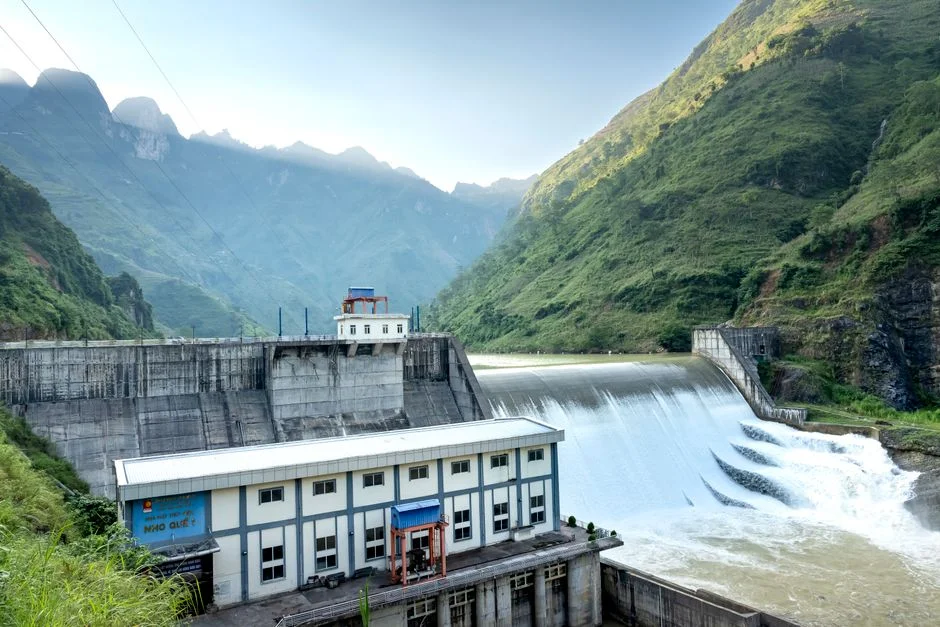
Hungarian voters delivered a decisive verdict in the latest parliamentary election, extending Prime Minister Viktor Orban’s rule while simultaneously exposing the fragility of China’s strategic economic foothold in Central Europe. The result sends immediate signals to global investors and European policymakers about the durability of foreign direct investment in the EU’s second-largest debtor nation. Markets reacted with cautious optimism, interpreting the stability of the ruling Fidesz party as a temporary reprieve for multinational corporations operating in Budapest.
Political Stability Versus Economic Reality
The election outcome confirms that Orban retains a solid base of support despite rising inflation and cost-of-living pressures in Budapest. However, the margin of victory was narrower than in previous cycles, suggesting that economic discontent is beginning to erode the traditional rural-urban divide that has long sustained his coalition. For businesses, this political nuance matters because it introduces a new variable: the need for Orban to deliver tangible economic wins to secure his next term.

Investors are now scrutinizing the government’s fiscal policies more closely. Hungary runs one of the highest debt-to-GDP ratios in the European Union, hovering around 75 percent. This financial pressure limits the state’s ability to subsidize key industries, a strategy that has long attracted foreign manufacturers. The political stability provided by the election win buys time, but it does not erase the underlying macroeconomic vulnerabilities that could impact return on investment.
China’s Strategic Gamble in Central Europe

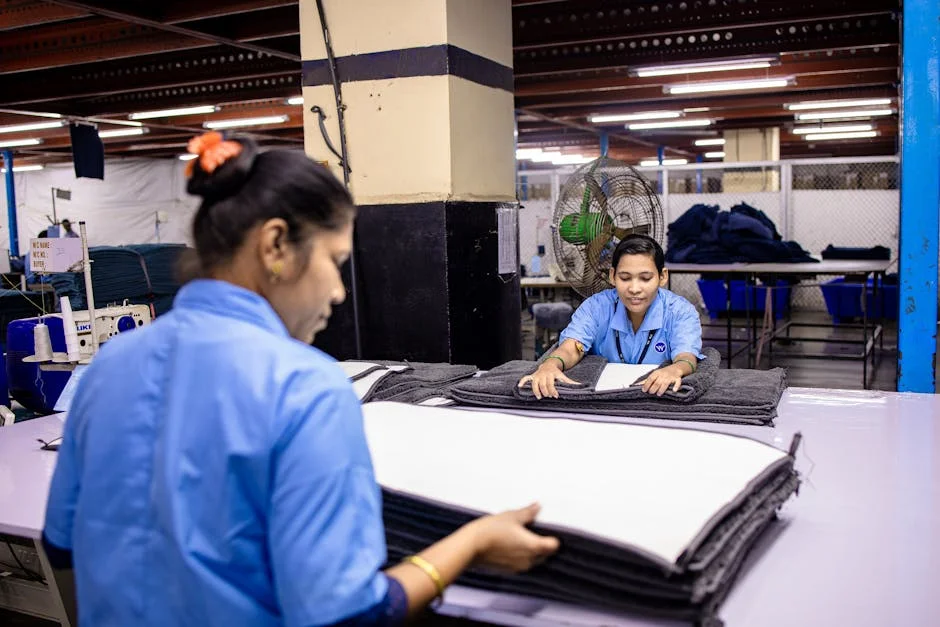
China has long viewed Hungary as a critical gateway into the European Single Market. This relationship is not merely diplomatic; it is deeply embedded in the supply chains of major Chinese manufacturers. The election results have forced Beijing to reconsider the reliability of its preferred partner in the EU. While Orban remains in power, the shifting voter sentiment indicates that the Hungarian public is becoming more aware of the trade-offs involved in the Sino-Hungarian alliance.
The economic ties between the two nations are substantial. China is one of the largest sources of foreign direct investment in Hungary, particularly in the automotive and technology sectors. Companies like BYD and Huawei have established significant operations in Budapest and its surrounding regions. These investments were made with the expectation of political continuity and favorable regulatory treatment. The recent election exposes the limits of this assumption, as voter attitudes toward Chinese influence are becoming increasingly complex.
Impact on Multinational Corporations
Multinational corporations operating in Hungary must now navigate a more uncertain political landscape. The narrow victory for Orban means that the government may face increased pressure from opposition parties and the European Commission to justify the scale of Chinese investment. This could lead to stricter scrutiny of subsidies and land deals, particularly in the automotive sector where Chinese giants are expanding rapidly.
Businesses need to assess the regulatory risks associated with their Hungarian operations. The European Union is increasingly focused on reducing dependency on non-European suppliers, a trend that could accelerate if political dynamics in Hungary shift further. Companies that have relied heavily on the Hungarian government’s pro-China stance may need to diversify their supply chains or enhance their local engagement to mitigate potential political risks.
Market Reactions and Investor Sentiment
Financial markets responded to the election results with a mix of relief and caution. The Hungarian forint strengthened slightly against the euro, reflecting investor confidence in the continuity of Orban’s economic policies. However, bond yields remained elevated, indicating that investors are still wary of the country’s fiscal trajectory. The stock market in Budapest saw modest gains, driven by sectors that benefit from government subsidies, such as energy and construction.
For international investors, the key takeaway is that political stability does not automatically translate into economic predictability. The Hungarian economy remains sensitive to external shocks, including energy prices and European monetary policy. The election result has not resolved the fundamental questions about Hungary’s long-term economic competitiveness. Investors are likely to maintain a wait-and-see approach, monitoring how the government balances its political commitments with fiscal prudence.
Implications for European Economic Integration
The election outcome has broader implications for European economic integration. Hungary’s relationship with China challenges the EU’s efforts to create a more cohesive trade and investment policy. The European Commission has expressed concern about the growing influence of Chinese state-owned enterprises in strategic sectors across the bloc. The Hungarian case serves as a microcosm of this larger tension, highlighting the difficulty of aligning national interests with continental goals.
European policymakers are likely to use this moment to push for greater transparency and accountability in foreign investment. The next phase of EU negotiations on the Foreign Subsidies Regulation could be influenced by the political dynamics in Hungary. This regulatory framework aims to level the playing field for European companies by scrutinizing subsidies provided by non-European investors. The outcome of these negotiations will have significant consequences for Chinese businesses operating in Hungary and elsewhere in the EU.
Business Strategy in a Shifting Landscape
Businesses operating in Hungary must adapt their strategies to account for the evolving political and economic environment. This involves a more nuanced understanding of the local market and a willingness to engage with a broader range of stakeholders. Companies that have relied on close ties with the government may need to diversify their political risk management approaches.
- Enhance local stakeholder engagement to build broader support for operations.
- Diversify supply chains to reduce dependency on single-country risks.
- Monitor regulatory developments in the EU, particularly regarding foreign subsidies.
Proactive risk management is essential for sustaining long-term growth in Hungary. The election result has highlighted the importance of resilience and adaptability in an increasingly complex business environment. Companies that can navigate these challenges will be well-positioned to capitalize on the opportunities that Hungary continues to offer as a gateway to Europe.
Future Outlook and Key Indicators
The coming months will be critical for determining the trajectory of Hungary’s economic relationship with China and the wider European Union. Investors and businesses should monitor several key indicators, including the implementation of the new government’s fiscal policies and the progress of EU regulatory reforms. The next European Parliament elections will also provide valuable insights into the broader political trends affecting the region.
Watch for announcements regarding new foreign direct investment projects, particularly in the automotive and green energy sectors. These sectors are central to Hungary’s economic strategy and will be closely watched by global investors. The government’s ability to attract and retain high-quality investment will be a key test of its economic management skills. The deadline for the next EU budget review will also be a crucial moment for assessing the balance of power between national governments and the European Commission.
See Also
- India’s West Asia Peace Push: Market Implications for Singapore Traders
- India’s Road Death Toll Hits 1.62 Lakh — Insurance and Auto Sectors Brace for Impact