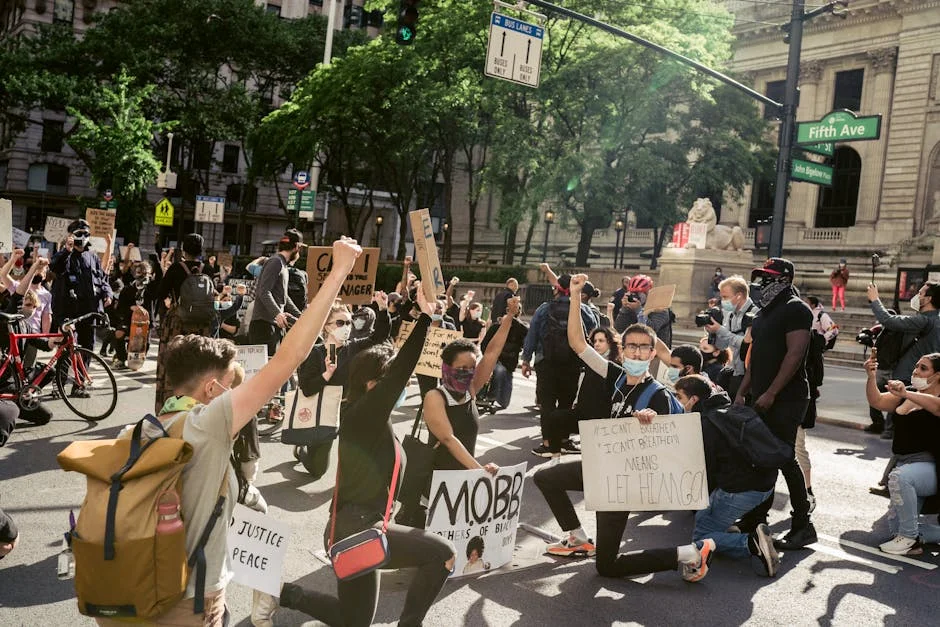
Portuguese authorities have confirmed that two of their nationals detained in Israel remain in good health, though they are psychologically marked by the ordeal. The announcement, delivered by the Ministry of Foreign Affairs, aims to reassure families and investors watching the unfolding diplomatic crisis. This development adds a new layer of complexity to the Israel-Gaza conflict, with potential economic repercussions extending far beyond the Mediterranean.
Diplomatic Tensions Rise Between Lisbon and Jerusalem
The detention of the two Portuguese citizens has triggered a sharp diplomatic exchange between Lisbon and Jerusalem. Portuguese officials have demanded immediate access to the detainees, citing consular rights under the Vienna Convention. This move signals a growing willingness among European nations to leverage diplomatic pressure on Israel. Investors in the region are closely monitoring these developments for signs of broader geopolitical shifts.
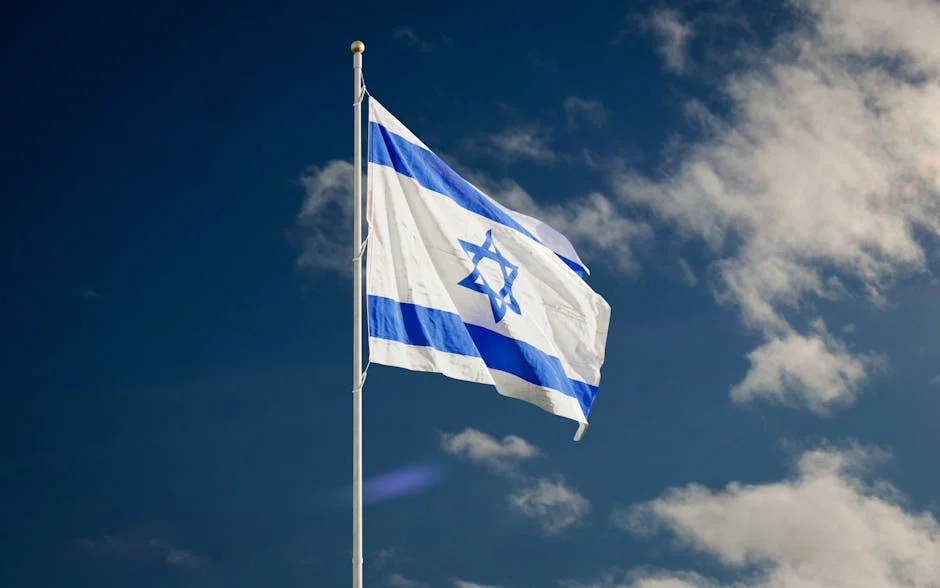
The situation reflects a broader trend of increasing friction between Israel and its European allies. Portugal has historically maintained a balanced approach, but recent events have pushed it closer to the European Union's consensus. This shift could influence trade negotiations and investment flows in the coming months. Markets are sensitive to such diplomatic realignments, as they often precede economic policy changes.
Lusa, the official Portuguese news agency, reported that the detainees are in stable condition. However, the psychological impact on the individuals is expected to influence future diplomatic engagements. This human element adds a compelling narrative to the economic and political analysis. Businesses operating in both countries must consider these human factors in their risk assessments.
Economic Implications for Regional Markets

The detention incident has immediate implications for regional markets, particularly in the tourism and logistics sectors. Travel advisories may be updated, affecting passenger numbers and airline revenues. Investors in European airlines with significant routes to the Middle East should monitor these developments closely. A sudden drop in passenger confidence could lead to volatile stock prices.
Supply chain disruptions are another concern, especially for companies relying on the Port of Haifa. Any political instability in the region can lead to delays in shipping and increased insurance premiums. These costs are often passed on to consumers, potentially driving up inflation in key markets. Singaporean investors with exposure to global logistics firms should remain vigilant.
The financial sector is also watching the situation for signs of currency fluctuation. The Israeli Shekel may experience volatility in response to diplomatic pressures from the European Union. This could affect the hedging strategies of multinational corporations operating in the region. Traders in Singapore and London are likely to adjust their positions based on emerging news.
Impact on Singaporean Investors
Singaporean investors with portfolios exposed to the Middle East need to assess the risk profile of their holdings. The Israel impact on SG markets is indirect but potentially significant through global supply chains. Companies in the technology and pharmaceutical sectors, which have strong ties to Israel, may see short-term fluctuations. Diversification remains a key strategy for mitigating these risks.
The broader economic environment in the region is also a factor. Political instability can deter foreign direct investment, affecting long-term growth prospects. Investors should consider the geopolitical landscape when making allocation decisions. This includes monitoring diplomatic relations between key players like Portugal, Israel, and the European Union.
Business Operations Under Scrutiny
Businesses operating in Israel and Portugal are facing increased scrutiny from stakeholders. Corporate social responsibility (CSR) reports may highlight the treatment of employees and partners in the region. Companies that fail to address these concerns may face reputational damage and consumer backlash. This trend is particularly relevant for multinational corporations with a strong European presence.
The logistics sector is also under pressure to ensure the smooth flow of goods despite political tensions. Companies are exploring alternative routes and partnerships to mitigate risks. This includes investing in digital supply chain management tools to enhance visibility and responsiveness. These investments can provide a competitive advantage in times of uncertainty.
The tourism industry is another sector likely to feel the impact. Travel agencies may see a shift in booking patterns as tourists opt for safer destinations. This could lead to a redistribution of revenue within the European tourism market. Businesses in Portugal may need to adjust their marketing strategies to attract new customer segments.
Investor Sentiment and Market Reactions
Market reactions to the detention have been mixed, reflecting the complexity of the situation. Some investors view the diplomatic friction as a short-term disruption, while others see it as a sign of deeper structural changes. This divergence in opinion is creating trading opportunities for agile investors. Volatility is expected to persist until a clearer resolution emerges.
The European stock market has shown resilience, but underlying tensions remain. Investors are watching for any escalation in diplomatic rhetoric that could trigger a broader economic response. This includes potential sanctions or trade tariffs that could affect corporate earnings. The financial sector in Singapore is also monitoring these developments for signs of contagion.
Analysts suggest that the key to navigating this uncertainty is a focus on fundamentals. Companies with strong balance sheets and diversified revenue streams are likely to weather the storm. Investors should look for opportunities in sectors that are less exposed to geopolitical risks. This includes technology and healthcare, which have shown resilience in previous crises.
Global Economic Context
The detention incident occurs against a backdrop of global economic uncertainty. Inflationary pressures and supply chain disruptions continue to challenge central banks and policymakers. The Israel general update provides a microcosm of these broader trends, highlighting the interconnectedness of the global economy. Investors need to consider these macroeconomic factors when making decisions.
The European Union's response to the crisis will also have global implications. A coordinated approach could strengthen the bloc's negotiating power with Israel. This could lead to a more stable economic environment in the region. Conversely, a fragmented response could exacerbate tensions and create further uncertainty. This is a key factor for investors to monitor.
The role of international organizations, such as the International Monetary Fund (IMF), may also come into play. These institutions could provide financial support or policy advice to help stabilize the region. This would have a positive impact on investor confidence and economic growth. The Israel explained context is crucial for understanding these potential interventions.
Future Developments to Watch
The next few weeks will be critical in determining the trajectory of the diplomatic crisis. Investors should watch for any official statements from the Portuguese Ministry of Foreign Affairs. These statements could provide insights into the broader strategy being employed by Lisbon. This information will be valuable for making informed investment decisions.
The response from the Israeli government is also a key variable. Any concessions or hardening of positions could have immediate market implications. Investors should monitor news from Jerusalem for signs of a shift in diplomatic tone. This will help in assessing the potential for a resolution or further escalation.
The economic data from the region will also provide important clues. Indicators such as consumer confidence, inflation, and employment rates will reflect the impact of the crisis. This data will help investors gauge the resilience of the local economies. The Estrangeiros developments explained provide a framework for interpreting these indicators.
Finally, the broader geopolitical landscape will continue to evolve. Investors should remain flexible and ready to adjust their portfolios in response to new information. The key is to maintain a long-term perspective while managing short-term risks. This approach will help in navigating the uncertainties of the current economic environment.
Analysts suggest that the key to navigating this uncertainty is a focus on fundamentals. Indicators such as consumer confidence, inflation, and employment rates will reflect the impact of the crisis.
What is the latest news about portugal detains two nationals in israel markets react to diplomatic friction?
Why does this matter for infrastructure-cities?
What are the key facts about portugal detains two nationals in israel markets react to diplomatic friction?