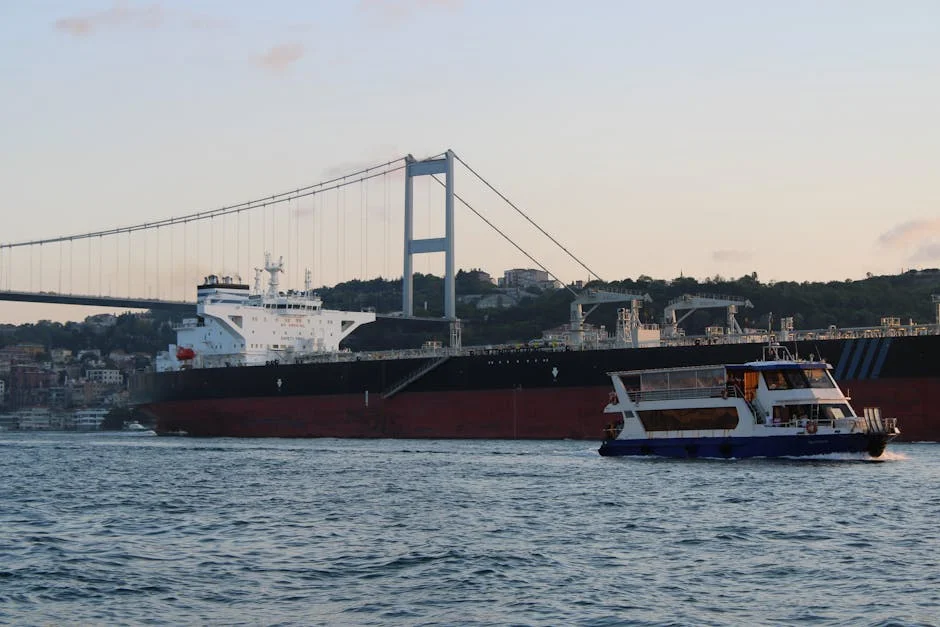
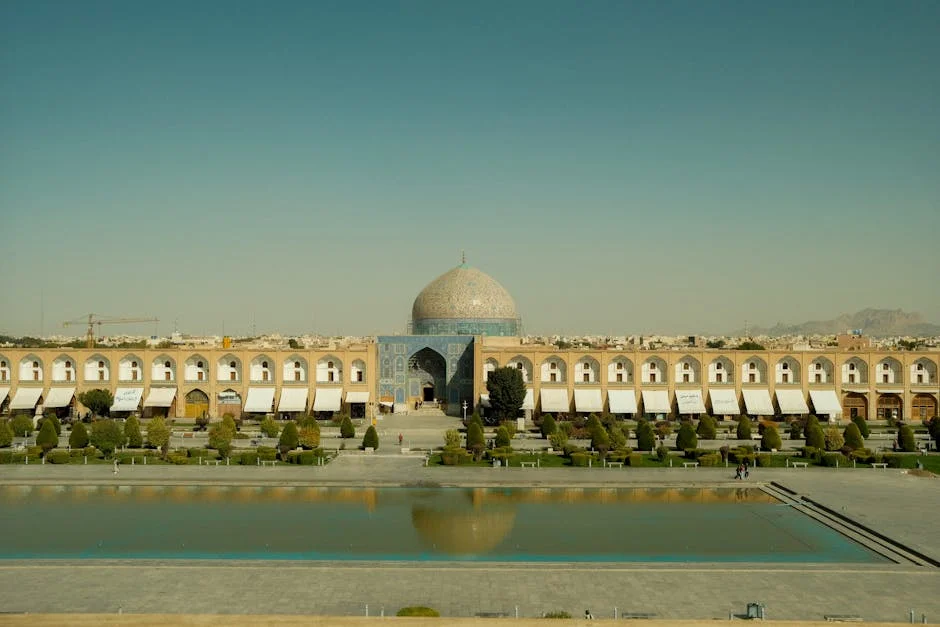
The latest proposal from Iran aimed at restarting peace efforts has hit a roadblock as the United States scrutinises its details. This development, announced on Monday, has significant implications for global markets and businesses, casting uncertainty over future economic engagements. The geopolitical tension centres around Iran's nuclear programme and its potential impact on international trade dynamics.
Background and Current Situation
Efforts to secure peace in the Middle East have seen numerous setbacks over the years, with the Iranian nuclear deal being one of the most contentious issues. The 2015 Joint Comprehensive Plan of Action (JCPOA), which Iran agreed to with world powers, is at the core of ongoing negotiations. The United States, having withdrawn from the JCPOA in 2018, is now weighing Iran's latest proposal closely.
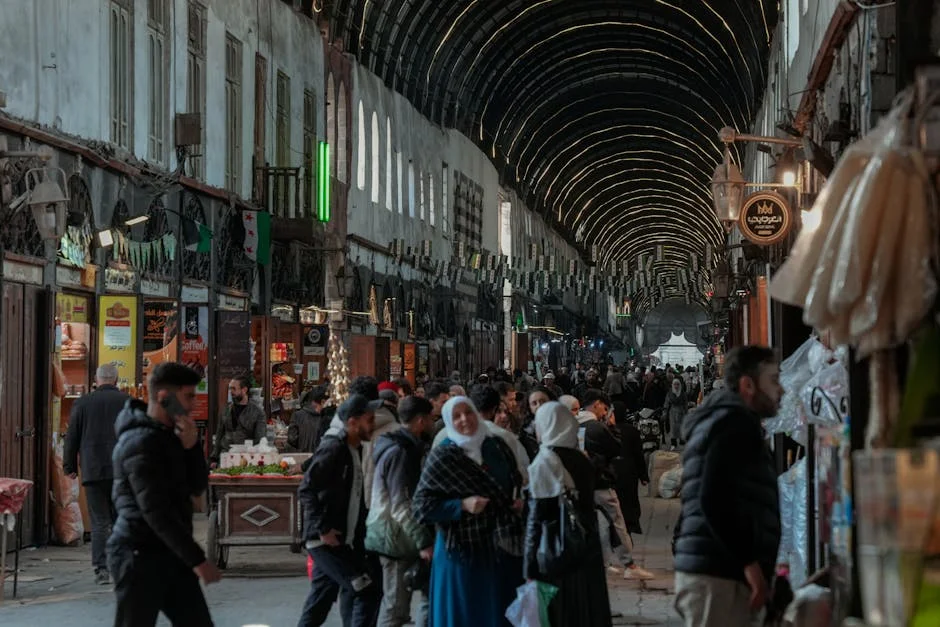
Tehran has been under economic sanctions that have severely impacted its economy, with the International Monetary Fund estimating a contraction of 6% in 2019. The current proposal from Iran is seen as a potential gateway to lifting these sanctions if accords are met.
Market Reactions

Markets worldwide are reacting cautiously to the stalled peace efforts. The energy sector, in particular, is on high alert, given Iran's capacity to influence global oil prices. Brent crude prices have been volatile, reflecting concerns over supply disruptions that could arise if tensions escalate.
Singapore, a major trading hub in Asia, could face repercussions if the situation deteriorates. Trade volumes with Iran have historically been limited due to sanctions but any changes in this dynamic could influence Singaporean businesses and investors.
Implications for Businesses and Investors
For businesses, the current climate means navigating a landscape fraught with uncertainty. Companies involved in commodities, particularly oil and gas, could see fluctuating prices affecting their bottom lines. Singaporean firms that rely on stable energy prices for manufacturing and logistics will need to strategise on mitigating risks.
Investor Strategies
Investors are advised to keep a close watch on developments. Diversifying portfolios to hedge against geopolitical risks could be a prudent strategy. Moreover, sectors less exposed to Middle Eastern markets might offer safer investment avenues during these times of uncertainty.
Future Outlook
As the US continues to evaluate Iran's proposal, the coming weeks will be critical. Any progress or further stalemates could dramatically influence market directions. Stakeholders should closely monitor announcements from the White House and Tehran, as any breakthrough could lead to rapid changes in economic conditions and investment landscapes.
Brent crude prices have been volatile, reflecting concerns over supply disruptions that could arise if tensions escalate.Singapore, a major trading hub in Asia, could face repercussions if the situation deteriorates. Moreover, sectors less exposed to Middle Eastern markets might offer safer investment avenues during these times of uncertainty.Future OutlookAs the US continues to evaluate Iran's proposal, the coming weeks will be critical.