The United States has issued a stark warning to Iran, demanding a new nuclear deal or facing the resumption of hostilities, as tensions in the Middle East intensify. The message, delivered by US Secretary of Defense Pete Hegseth, comes amid rising concerns over regional stability and potential disruptions to global energy markets. The announcement has sent ripples through financial markets and raised questions about the implications for businesses and investors in Southeast Asia, particularly in Singapore, which has significant trade ties with the region.
US Ultimatum Sparks Market Volatility
The US government’s latest statement has triggered immediate reactions in global financial markets. On Monday, oil prices surged by 3.2% as traders braced for potential supply disruptions. The benchmark Brent crude hit $87.50 per barrel, its highest level in over a year. This increase has already begun to affect energy-dependent economies, including Singapore, where fuel costs are a key component of inflation.
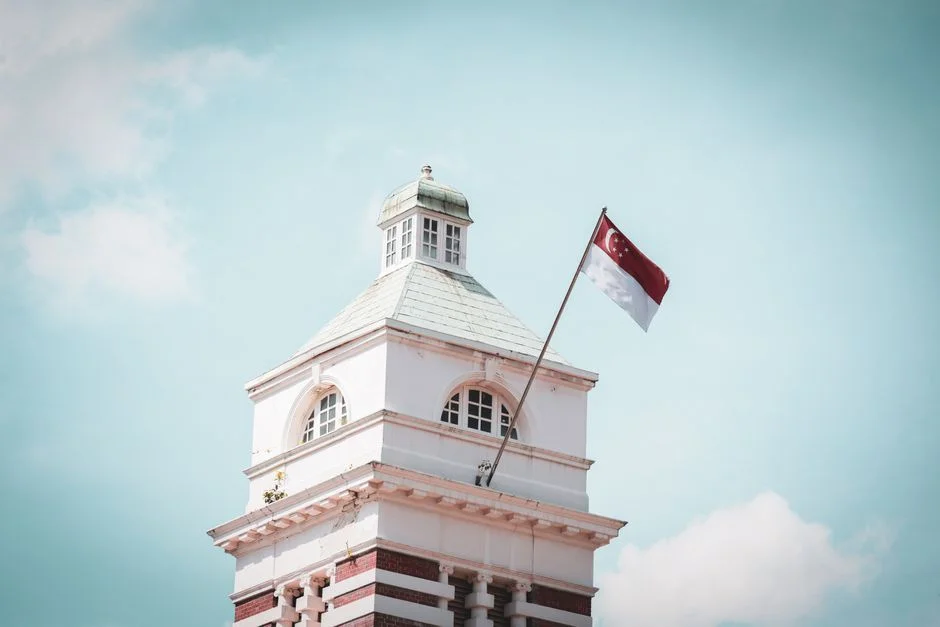
The Singaporean Ministry of Trade and Industry noted that energy prices could push inflation higher in the coming months, adding pressure on the central bank to maintain its monetary policy stance. "Any escalation in the Middle East could have direct implications for Singapore's import costs and overall economic outlook," said a spokesperson.
The US move has also raised concerns among investors. The Singapore Exchange (SGX) saw a slight decline in energy sector stocks as uncertainty loomed. Analysts at OCBC Bank warned that prolonged tensions could lead to increased volatility in regional markets, particularly for companies reliant on oil and gas imports.
Regional Business Concerns Grow
Businesses in Singapore and across Southeast Asia are closely monitoring the situation, with many fearing potential supply chain disruptions. The Strait of Hormuz, a critical shipping lane for global oil trade, remains a focal point. Any conflict in the region could lead to delays in shipping and higher freight costs, which would impact manufacturers and traders in Singapore.
"Many of our clients operate in sectors that depend heavily on stable energy supplies," said Lim Sze Hian, a trade analyst at the Singapore Institute of International Affairs. "If the situation escalates, we could see a ripple effect across the region, affecting everything from manufacturing to retail."
The impact on Singapore’s port operations is also a concern. The Port of Singapore, one of the busiest in the world, could face delays if shipping routes are altered or if there is an increase in maritime security operations. This has prompted some logistics companies to review their contingency plans.
Investor Sentiment Shifts
Investor confidence has wavered in response to the US-Iran tensions. The Singaporean stock market saw a modest decline on Monday, with the Straits Times Index (STI) dropping 0.7% as investors took a more cautious approach. The shift in sentiment reflects growing uncertainty about the global economic outlook.
Pete Hegseth’s comments have also drawn attention from Singaporean investors who follow US foreign policy closely. Many are watching how the situation unfolds and whether it could lead to broader geopolitical shifts that may affect trade and investment flows.
"The US is a major trading partner for Singapore, and any major escalation could have long-term implications for our economy," said a representative from the Singapore Exchange. "We are keeping a close eye on how global markets respond to this development."
What’s Next for Singapore?
As the situation unfolds, Singapore is preparing for multiple scenarios. The government has advised businesses to remain vigilant and to have contingency plans in place. The Ministry of Foreign Affairs has also reiterated its call for peaceful resolution of the crisis, stressing the importance of dialogue.
For investors, the coming weeks will be crucial. If tensions escalate, the Singaporean market could face further volatility. However, if a deal is reached, there may be a relief rally. The key will be how quickly the situation stabilises and whether the US and Iran can find common ground.
The next few days will also be critical for the US and Iran as both sides assess their options. A potential meeting between US and Iranian officials is being discussed, though no official date has been set. For now, the world watches closely, as the stakes continue to rise.
See Also
- India's Finance Minister Slams Oil Price Surge Amid Lockdown Fears
- Birmingham Reaches Deal to End Bin Strike — Businesses Brace for Impact
The shift in sentiment reflects growing uncertainty about the global economic outlook. "The US is a major trading partner for Singapore, and any major escalation could have long-term implications for our economy," said a representative from the Singapore Exchange.