Nigeria’s sudden ban on wheat imports has triggered a sharp rise in local bread prices, raising alarms among economists and traders. The directive, issued by the Ministry of Agriculture, aims to boost domestic production but has already sent shockwaves through the food supply chain. The move comes as the country grapples with a deepening currency crisis, with the naira losing over 25% of its value against the dollar since 2023.
Import Ban Sparks Immediate Market Reactions
The import ban, effective immediately, was announced by Agriculture Minister Abubakar Kogi. “We must protect our local farmers and reduce dependency on foreign supplies,” he said in a press statement. However, the decision has led to an immediate 18% spike in bread prices in Lagos, according to the Nigerian Association of Chambers of Commerce, Industry, and Agriculture (NACCIMA).
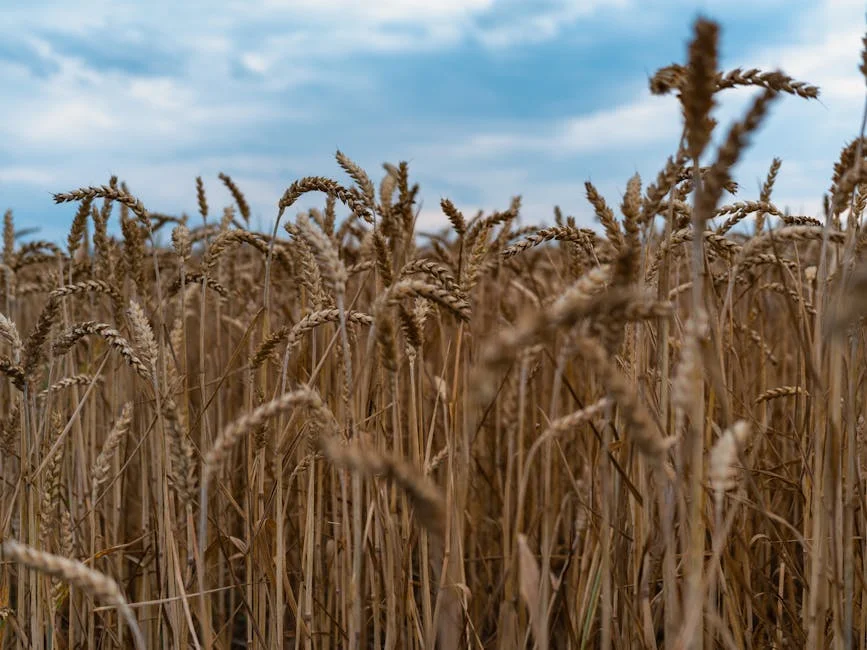
Traders in the capital, Abuja, report that flour stocks are running low, with some bakeries forced to close temporarily. “We’re scrambling to find alternative suppliers, but there’s no wheat available locally,” said Adebayo Adeyemi, a baker at the Murtala Muhammed Market. “This will push up costs for everyone.”
Debt Concerns and Public Sector Expansion

While the import ban is a local policy shift, it is part of a broader trend of public sector expansion across Africa. In South Africa, the government has announced a massive expansion of public services, including healthcare and education, as part of its 2026 development plan. This surge has drawn criticism from economists who warn of unsustainable debt accumulation.
South African Finance Minister Enoch Godongwana recently warned that the country’s public debt-to-GDP ratio could reach 72% by 2026 if current spending trends continue. “We are walking a tightrope,” he said in a speech to the National Treasury. “Every new project must be justified by long-term economic returns.”
Investor Anxiety and Market Volatility
Investors are growing uneasy as both Nigeria and South Africa push forward with ambitious but risky economic strategies. In Nigeria, the stock market has dropped 6.2% over the past month, with the Nigerian Stock Exchange (NSE) reporting a 14% decline in foreign portfolio inflows. “The wheat ban is a symptom of a larger problem — a lack of fiscal discipline,” said Tunde Adeyemi, an economist at the University of Ibadan.
South African investors are also feeling the pressure. The Johannesburg Stock Exchange (JSE) has seen increased volatility, with the All Share Index (ALSI) fluctuating by over 3% in recent weeks. “The government’s public sector expansion is a double-edged sword,” said Linda Botha, a portfolio manager at Investec. “It could create jobs and growth, but it also risks deepening the debt burden.”
Business Implications and Supply Chain Disruptions
Businesses across the region are already feeling the impact of these policy shifts. In Nigeria, the food processing sector is under strain, with companies like Nestlé and Unilever reporting delays in raw material shipments. “We’re being forced to source locally, but the quality and quantity are not there,” said Chidi Nwosu, a procurement officer at Unilever Nigeria.
Meanwhile, in South Africa, the expansion of public services is leading to increased competition for skilled labor. “We’re struggling to hire engineers and IT professionals,” said Sipho Mbeki, CEO of a tech firm in Cape Town. “The government is offering better salaries, and we can’t keep up.”
What to Watch Next
The coming months will be critical for both Nigeria and South Africa. In Nigeria, the government is expected to announce a new agricultural support package by the end of June, which could ease some of the pressure on local farmers. In South Africa, the 2026 budget announcement in August will be a key test of the government’s commitment to fiscal responsibility.
Investors and businesses should closely monitor these developments. The next round of economic data, including inflation figures and trade balances, will provide further insight into how these policies are shaping the region’s economic future.
See Also
- Sebi Expands MF Intraday Borrowing — Markets React
- Blinken Confirms EU's Unique Path Amid Rising Tensions with China
“It could create jobs and growth, but it also risks deepening the debt burden.” Business Implications and Supply Chain Disruptions Businesses across the region are already feeling the impact of these policy shifts. “The government is offering better salaries, and we can’t keep up.” What to Watch Next The coming months will be critical for both Nigeria and South Africa.