Commerce Minister Piyush Goyal has issued a direct mandate to Indian industry leaders to aggressively identify import substitutes, aiming to reduce the nation's heavy reliance on foreign goods. This strategic push for local manufacturing is designed to stabilize the trade balance and strengthen the domestic supply chain against global volatility. The move signals a decisive shift in economic policy, moving beyond rhetoric to concrete operational changes for businesses across key sectors.
Strategic Shift in Trade Policy
The Indian government is accelerating its efforts to transform the domestic manufacturing landscape through a renewed focus on the Swadeshi or "make at home" initiative. Piyush Goyal, the Commerce Minister, has directed various industry associations to submit detailed lists of products that can be manufactured locally to replace current imports. This directive targets sectors where India currently spends billions of dollars annually, seeking to convert these outflows into domestic value addition and job creation.
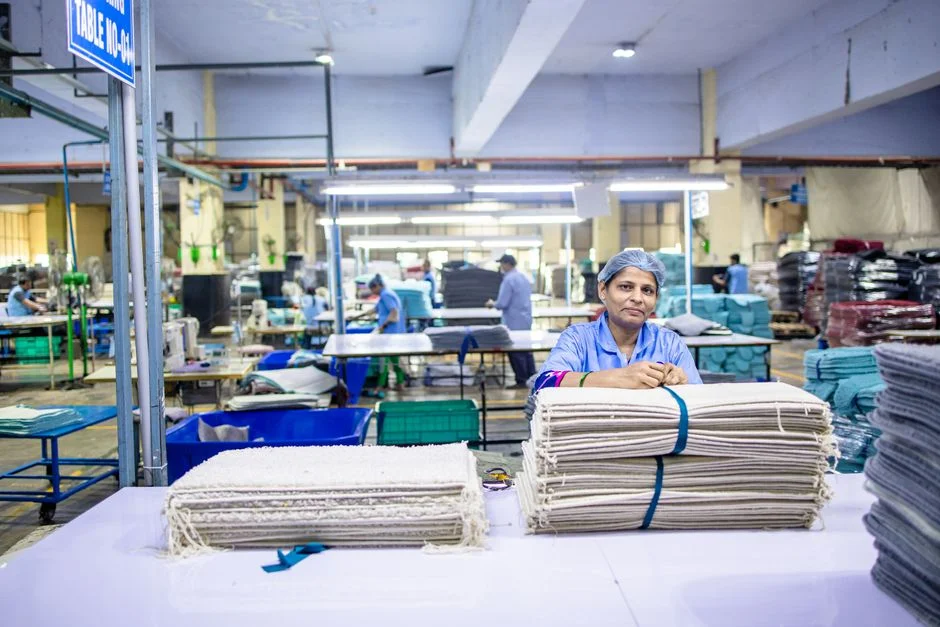
India's trade deficit has been a persistent concern for economists and investors alike. In recent fiscal years, the gap between imports and exports has widened, putting pressure on the Indian Rupee and the country's foreign exchange reserves. By forcing companies to look inward for suppliers, the government aims to plug this leak. The strategy relies on leveraging India's large domestic market to achieve economies of scale that can compete with established global giants.
This approach marks a departure from gradual liberalization, introducing a more targeted, almost surgical intervention in the market. Businesses are now under pressure to audit their supply chains and present viable alternatives to foreign components. The timeline for these submissions is tight, suggesting that the New Delhi administration views this as an urgent economic imperative rather than a long-term aspirational goal.
Market Reactions and Business Implications


For investors and market analysts, this policy shift introduces both opportunities and immediate challenges. The primary benefit lies in the potential for domestic suppliers to capture a larger share of the market revenue that previously flowed to foreign entities. Companies that can quickly adapt and localize their production processes are likely to see improved profit margins as import duties and logistics costs stabilize.
However, the transition is not without friction. Many Indian manufacturers rely on specialized components from countries like China, Germany, and the United States. Replacing these high-quality imports with locally made alternatives requires significant capital expenditure and time. Small and medium enterprises (SMEs) may find the burden particularly heavy, as they often lack the financial cushion to invest in new machinery or retrain their workforce overnight.
Stock markets in Mumbai have reacted with a mix of optimism and caution. Sectors such as electronics, automotive, and textiles are seeing increased investor interest, as these industries are prime targets for import substitution. Conversely, industries heavily dependent on raw material imports, such as oil refining and certain chemical sectors, are facing scrutiny. Investors are closely watching for government support mechanisms, such as subsidies or tax breaks, to offset the initial costs of localization.
Economic Data and Trade Deficit Context
To understand the urgency behind Goyal's directive, one must look at the underlying economic data. India's import bill has surged due to a combination of global inflation and the rising cost of energy and electronics. The trade deficit reached a record high in previous quarters, exceeding $250 billion annually in some metrics. This massive outflow of capital weakens the Rupee, making all other imports more expensive in a vicious cycle.
The government's analysis suggests that even a modest reduction in imports through substitution could yield significant savings. For instance, if India can replace just 10% of its consumer electronics imports, the impact on the trade balance would be substantial. This would not only improve the current account deficit but also enhance the country's credit rating, potentially lowering borrowing costs for both the government and private corporations.
Furthermore, the push for Swadeshi is closely tied to the broader "Make in India" campaign. The goal is to create a self-reliant economy that is less vulnerable to external shocks, such as the supply chain disruptions witnessed during the global pandemic. By diversifying the supplier base and bringing production closer to home, India aims to build a more resilient economic structure.
Focus on Key Sectors
The Commerce Ministry has identified specific sectors where import substitution is most feasible and impactful. These sectors were chosen based on their volume of imports and the readiness of domestic industries to scale up production. The focus is not uniform; it targets areas where India already has a comparative advantage or where the technology gap is narrowing.
Electronics and semiconductor manufacturing are at the forefront of this initiative. With smartphones and laptops being major import items, the government is pushing for more assembly and component manufacturing within India. The automotive sector is another key target, particularly for batteries and electronic control units, which are increasingly critical as cars become more technologically advanced.
Textiles and apparel also feature prominently on the list. India is a traditional textile powerhouse, yet it imports significant quantities of synthetic fibers and specialized fabrics. By localizing these inputs, the final garment industry can become more competitive in global markets, potentially boosting export revenues alongside import savings. This dual benefit makes the textile sector a strategic priority for policymakers.
Investment Perspective and Capital Flows
From an investment standpoint, the push for import substitution creates a clear signal for capital allocation. Foreign direct investment (FDI) is likely to flow into sectors where the government offers incentives for local sourcing. Multinational corporations operating in India may need to restructure their supply chains to meet new regulatory expectations or to take advantage of tax benefits associated with local content.
Domestic investors are also poised to benefit. Companies that supply intermediate goods to larger manufacturers will see increased demand. This ripple effect can drive growth in upstream industries, from raw material extraction to component fabrication. The stock markets may reward these "hidden champions" that form the backbone of the local supply chain, offering diversification opportunities for portfolios heavily weighted towards consumer-facing brands.
However, risk remains a key consideration. The success of import substitution depends on the quality and cost-competitiveness of local products. If domestic alternatives are significantly more expensive or of lower quality, end-consumers may bear the cost, leading to inflationary pressures. Investors must carefully evaluate the execution capabilities of companies in these sectors to determine if the policy tailwinds will translate into tangible earnings growth.
Global Trade Dynamics and Competitiveness
India's move towards greater self-reliance does not occur in a vacuum. It has implications for global trade dynamics, particularly in Asia. As India reduces its dependence on imports from neighbors like China, it may alter regional trade flows and competitive landscapes. This could lead to new bilateral trade agreements and strategic partnerships that favor Indian manufacturers.
Global competitors are watching India's strategy closely. Countries like Vietnam and Mexico have successfully leveraged import substitution and local manufacturing to attract foreign investment. India aims to replicate this success, using its vast domestic market as a magnet for global brands looking to produce locally for local consumption. This "China plus one" strategy is gaining traction, and Goyal's directive reinforces India's position as a viable alternative manufacturing hub.
The effectiveness of this strategy will depend on how well India integrates into global value chains while simultaneously building domestic capacity. It is not about complete isolation but about strategic interdependence. By controlling more stages of the production process, India can capture more value from each dollar spent, enhancing its overall economic competitiveness on the world stage.
Future Outlook and Policy Deadlines
The next few months will be critical in assessing the impact of Goyal's directive. Industry associations are expected to submit their lists of import substitutes by the end of the current fiscal quarter. The Commerce Ministry will then review these proposals and may introduce targeted policies, such as production-linked incentives or custom duty adjustments, to support the transition.
Investors and businesses should monitor the specific sectors that receive the most government support. Early movers in these sectors are likely to gain a first-mover advantage, securing contracts and market share before competitors fully adapt. The success of this initiative will also be reflected in quarterly earnings reports and trade balance figures, providing concrete data on the effectiveness of the Swadeshi push.
Looking ahead, the Indian government is likely to announce further measures to streamline the manufacturing process, including infrastructure development and regulatory reforms. These complementary actions will be essential to ensure that local manufacturers can compete effectively in both domestic and international markets. The coming year will test the resilience of India's economic strategy and its ability to translate policy into tangible market outcomes.
See Also
- Lamola Defies US Pressure to Keep South Africa at G20 Summit
- China Unveils Secrets of The Forbidden City — Affects Tourism and Trade