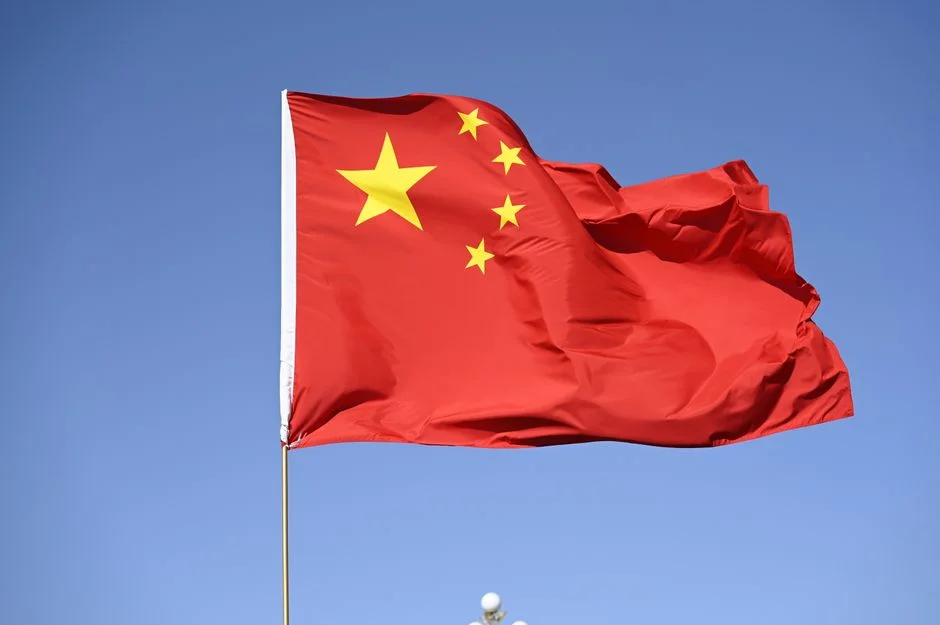
China conducted a surprise launch of a new heavy-lift rocket designed for reusability, a development that sent ripples through global space industry markets and left investors reassessing the competitive landscape for orbital launch services.
Surprise Launch Disrupts Industry Expectations
The launch occurred without the advance public notice typical of major space missions, catching industry observers off guard. Chinese state media confirmed the test, describing the rocket as a next-generation vehicle built specifically to recover and reuse its first-stage boosters — a design philosophy pioneered by SpaceX with its Falcon 9 rocket.

Details emerging from official channels indicate the vehicle represents China's most ambitious push yet into reusable launch technology. The timing of the announcement, delivered without the customary embargo notices used by Western space agencies, suggested Beijing wanted to demonstrate capability rather than seek media attention.
Technology Aims to Match Falcon's Capabilities

The new Chinese rocket borrows design principles familiar from SpaceX's Falcon family, which has dominated the commercial launch market for nearly a decade through its reusability programme. SpaceX's ability to fly the same booster multiple times slashed launch costs industry-wide, forcing competitors to adapt or lose market share.
Analysts tracking the launch services market say China's move signals an intent to challenge that cost advantage directly. If the rocket performs as designed, it could offer reusability benefits without requiring customers to rely on American providers — a consideration that matters to operators in Asia, the Middle East, and Europe navigating export control restrictions.
Singapore's Satellite Sector Watches Closely
Singapore hosts a growing cluster of satellite operators and space technology firms, many of which depend on affordable access to orbit for Earth observation, communications, and navigation services. The city-state's position as a regional hub for commercial space activity means shifts in launch economics carry direct consequences for local businesses.
Companies like ST Engineering, which operates satellite ground systems, and various research institutes developing smallsat platforms have a stake in launch cost trends. Cheaper access to orbit — if China's rocket delivers on its reusability promise — could expand the viable market for commercial satellite missions, driving demand for Singapore-based services.
Investors Reassess Commercial Space Valuations
The announcement prompted immediate reassessment across publicly traded companies in the space sector. Shares of launch service providers with exposure to the commercial market dipped in after-hours trading, reflecting investor concern that increased competition could compress margins.
SpaceX, despite its private status, faces indirect pressure as Chinese state-backed launch services could undercut pricing on international contracts. The company has previously cited competitive threats from government-subsidised rivals when defending its market positioning to investors.
Venture capital flows into commercial space startups may also shift. If reusability becomes widespread rather than proprietary, the barrier to entry for new launch providers drops — potentially spurring a new wave of competition that could fragment the market further.
Market Implications for Asia-Pacific Launch Demand
Asia-Pacific nations are driving much of the growth in satellite deployments, with Indonesia, Vietnam, and the Philippines expanding their Earth observation capabilities. South Korea and Japan continue investing in advanced navigation and communications constellations. All represent potential customers for launch services.
Singapore's role as a regional financial and logistics centre positions it to benefit if launch demand rises. Insurance firms, logistics providers, and financial services companies active in the city-state's space cluster could see indirect gains from increased orbital activity.
The broader trade tension between the United States and China adds another layer of complexity. Operators in countries seeking to avoid geopolitical entanglement may find a Chinese reusable rocket an attractive alternative to American providers, reshaping the commercial launch market's geographic distribution.
Regulatory and Diplomatic Dimensions
Singapore's space regulatory framework, managed through the Office for Space Technology and Industry, continues developing guidelines for commercial launch activities. The emergence of new heavy-lift capabilities in the region will likely influence how authorities structure licensing and safety requirements.
Diplomatically, the launch complicates already tense conversations about space militarisation and dual-use technologies. Reusable rockets share significant engineering heritage with ballistic missile systems, a concern that shapes defence and security dialogues across Southeast Asia.
What Happens Next
Market participants should watch for official performance data from the Chinese launch — booster recovery success rates, turnaround times, and re-flight demonstrations will determine whether the rocket delivers genuine reusability or merely theoretical capability. Flight trajectory data and public tracking information typically emerge within days of a launch.
Commercial pricing announcements, if any, will arrive once the vehicle enters operational service. Industry contacts in Singapore's space cluster say contracts for future missions may hinge on whether Beijing's state launch providers can match the reliability record SpaceX has established over hundreds of missions.
The next test flight, expected within months according to some space industry trackers, will serve as the true measure of market impact. Until then, investors and operators across the Asia-Pacific region will be calculating exposure to a rapidly shifting competitive landscape.
See Also
- Singapore Woman Dies in Bhutan — What This Means for Tourism Impact
- US Inflation Surges — Wall Street Reels as Rate Hikes Loom