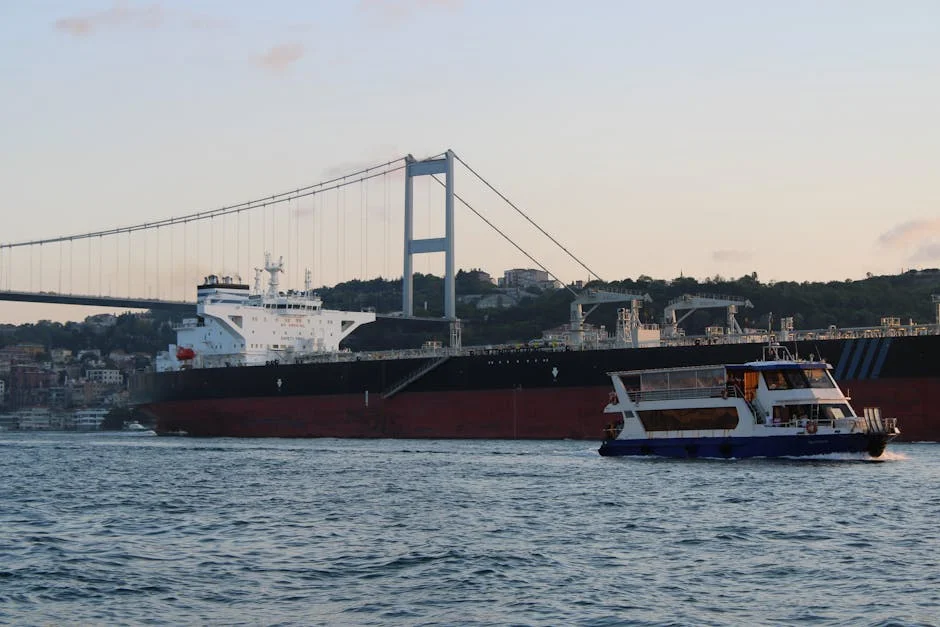
Iran's Islamic Revolutionary Guard Corps (IRGC) has issued a stark warning that any vessel approaching the Strait of Hormuz will be considered a target, escalating tensions in one of the world's most critical maritime chokepoints. The statement, made by a senior IRGC official, comes amid heightened regional instability and a surge in geopolitical uncertainty. The Strait, which handles nearly 20% of global oil trade, is a linchpin for international commerce and energy security.
Iran's Naval Posture and Regional Implications
The IRGC's latest declaration signals a hardening of Iran's military stance, particularly in response to recent sanctions and diplomatic pressure from the West. The threat is not new, but the clarity of the message has raised alarms among shipping companies and global markets. The Strait of Hormuz, located between Iran and Oman, is a narrow waterway that connects the Persian Gulf to the Gulf of Oman and the Arabian Sea.
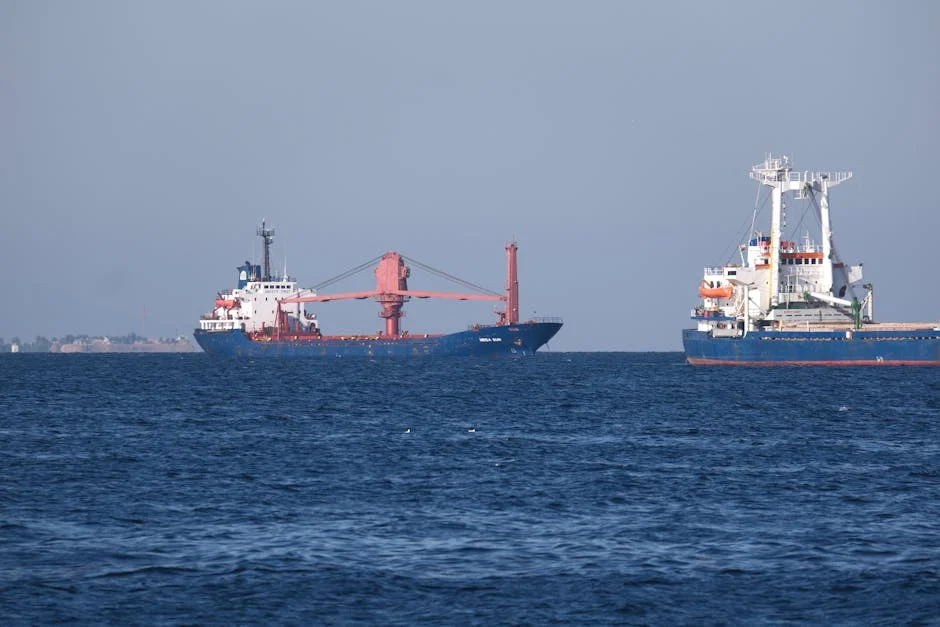
Analysts say the move could disrupt global supply chains and send shockwaves through financial markets. The International Energy Agency (IEA) estimates that about 17 million barrels of oil pass through the strait daily. A disruption, even temporarily, could cause oil prices to spike, impacting economies worldwide, including Singapore, which relies heavily on energy imports.
Market Reactions and Investor Concerns

Global markets reacted swiftly to the news, with oil prices rising by over 2% in early trading. The Brent crude benchmark hit $92 per barrel, the highest level since 2014. Investors are now closely watching the situation, with many fearing a potential escalation in the Middle East that could ripple across the globe.
For Singapore-based traders and energy firms, the implications are significant. The country's role as a major refining and trading hub means that any volatility in the region could directly affect local businesses. "The Strait is a lifeline for global energy flows," said Rajiv Mehta, a senior analyst at Singapore-based energy consultancy G&K Research. "Any disruption could lead to higher costs and supply chain delays."
Business and Economic Impact
Shipping companies are already adjusting their routes, with some opting to bypass the Strait in favor of longer, safer alternatives. This shift could increase transportation costs and delay deliveries, impacting industries from manufacturing to retail. In Singapore, where the maritime sector is a major employer, the ripple effects could be felt across the economy.
The Singapore Maritime Federation has issued a statement urging caution, warning that the situation could lead to increased insurance premiums and operational costs for shipping firms. "The Strait is a vital artery for global trade," said federation spokesperson Lim Wei Liang. "Any threat to its security is a threat to the entire supply chain."
Geopolitical Tensions and Global Response
The Iranian move has drawn immediate condemnation from the United States and its allies. The U.S. State Department has called on Iran to de-escalate tensions, while the European Union has reiterated its support for freedom of navigation in international waters. The situation has also raised concerns in the Gulf Cooperation Council (GCC), with several member states calling for increased military cooperation.
Regional analysts suggest that the threat is part of a broader strategy by Iran to assert its influence in the Middle East. "This is a message to both regional and global powers," said Dr. Farhad Jafari, a political analyst based in Dubai. "Iran is trying to signal that it will not back down in the face of external pressure."
What to Watch Next
Investors and businesses are now monitoring the situation closely, with a key focus on any further military movements or diplomatic developments. The next few weeks will be critical in determining whether the threat translates into actual action. In Singapore, the government has assured the public that it is in close contact with international partners and is prepared to respond to any potential disruptions.
For now, the Strait of Hormuz remains a focal point of global attention, with its stability crucial to the health of the world economy. As tensions continue to rise, the coming weeks will reveal whether this latest warning from Iran is a bluff or a prelude to more serious conflict.
See Also
- Benfica Signs Gales Lateral in Major Transfer Move
- Torreense Targets Historic Liga Final Spot — Economic Implications Loom