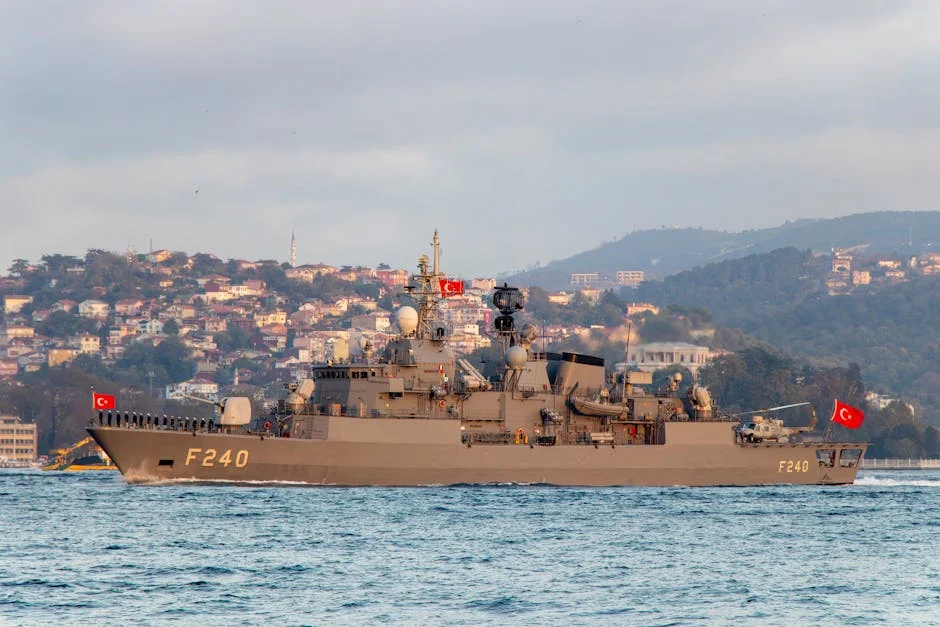
The United States has deployed naval assets into the Strait of Hormuz, triggering immediate volatility in global energy markets. Iran’s Foreign Ministry warned that military action against US vessels is now on the table, escalating a geopolitical standoff that threatens global supply chains. Investors in Singapore and beyond are bracing for potential disruptions to crude oil flows and shipping insurance costs.
Immediate Market Reaction to Naval Deployment
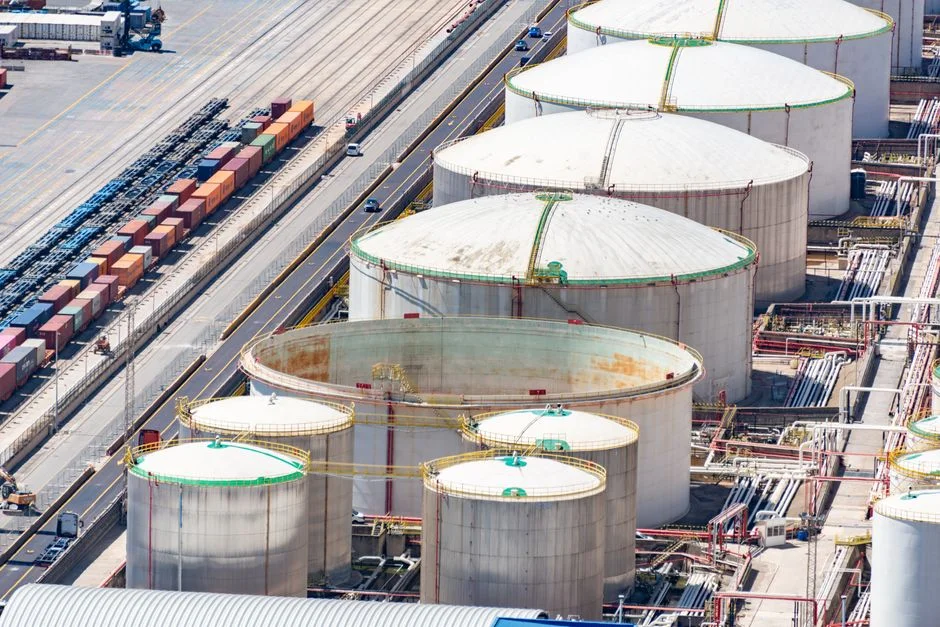
Global markets reacted swiftly to the announcement of the US naval operation. Brent crude futures surged by over 3% in early trading, reflecting investor anxiety about potential supply bottlenecks. The Strait of Hormuz remains the world’s most critical chokepoint for oil, handling approximately 21 million barrels of crude per day. Any interruption here sends shockwaves through the global energy complex.
Investors are closely monitoring the price of West Texas Intermediate (WTI) and Brent, which serve as benchmarks for global pricing. The sudden spike indicates that traders are pricing in a higher risk premium. This risk premium directly impacts inflation expectations, which is a key concern for central banks in major economies. The Federal Reserve and the European Central Bank are watching these developments with keen interest.
Equity markets showed mixed signals, with energy stocks outperforming broader indices. Companies like ExxonMobil and Chevron saw their shares rise as investors sought safe havens in the energy sector. Conversely, airline stocks dipped due to fears of higher jet fuel costs. This divergence highlights the sector-specific nature of the geopolitical risk. Market participants are adjusting their portfolios to hedge against potential further escalation.
Impact on Global Shipping and Trade Logistics


The threat of military action in the Strait of Hormuz poses severe challenges for global shipping companies. Vessels transiting the narrow waterway may face higher insurance premiums, known as war risk premiums. These costs are often passed down to consumers, increasing the final price of imported goods. Singapore, as a major transshipment hub, is particularly exposed to these logistical disruptions.
Supply Chain Vulnerabilities
Major shipping lines are reviewing their routing strategies to mitigate risk. Some may choose to divert through the longer Suez Canal route or even around the Cape of Good Hope. These diversions add days to delivery times and increase fuel consumption. The resulting inefficiencies can lead to inventory shortages in key markets. Manufacturers in Asia and Europe are already feeling the pressure of delayed raw material arrivals.
The Singapore Shipping Association has issued advisories to members regarding the heightened tensions. They emphasize the need for flexible contingency plans to handle potential delays. Ports in Singapore are preparing for possible surges in traffic if other routes become congested. This proactive approach helps maintain the city-state’s reputation as a resilient logistics hub. However, the margin for error is shrinking as tensions remain high.
Insurance markets are also reacting to the uncertainty. Lloyd’s of London, a leading marine insurance market, has seen an uptick in inquiries from shipping firms. Premiums for vessels passing through the Hormuz corridor have risen sharply. This increase in operational costs squeezes profit margins for shipping companies. It also contributes to higher freight rates, which affect the cost of living globally.
Economic Implications for Singapore and Regional Investors
Singapore’s economy is highly sensitive to global trade flows and energy prices. As a net importer of oil, Singapore faces the dual burden of higher import bills and potential inflationary pressure. The Monetary Authority of Singapore (MAS) will need to monitor these developments closely. They may adjust interest rates or exchange rate policies to stabilize the domestic economy.
For investors in the region, the situation presents both risks and opportunities. Energy stocks offer a hedge against inflation and geopolitical uncertainty. However, consumer discretionary stocks may suffer if higher energy prices dampen consumer spending. Investors should consider diversifying their portfolios to include sectors that benefit from increased defense spending. This includes aerospace and defense contractors in the US and Europe.
The broader Asian market is also watching the situation with caution. Japan and South Korea, which rely heavily on Middle Eastern oil imports, are particularly vulnerable. Their central banks may need to intervene to stabilize their currencies if oil prices continue to rise. This regional interconnectedness means that a shock in the Hormuz can quickly ripple through Asian financial markets. Investors must remain vigilant and adaptable in this volatile environment.
Geopolitical Stakes and Diplomatic Maneuvers
The US deployment is part of a broader strategy to pressure Iran into returning to nuclear deal negotiations. Washington believes that showing military strength can force Tehran to the bargaining table. However, Iran has historically responded to US pressure with a mix of rhetorical threats and tactical maneuvers. This cat-and-mouse game creates an element of unpredictability that markets dislike.
Diplomatic channels remain open, but trust is at a premium. The European Union is actively mediating between the two powers, hoping to prevent a full-blown conflict. However, the effectiveness of European diplomacy is tested by the direct military involvement of the US. The outcome of these negotiations will have far-reaching implications for global energy security. A deal could lead to a rapid correction in oil prices, while a breakdown could trigger a prolonged period of high energy costs.
The involvement of other regional powers, such as Saudi Arabia and the United Arab Emirates, adds another layer of complexity. These Gulf states have their own strategic interests in the Strait and may seek to balance their relationships with both the US and Iran. Their actions could either de-escalate the situation or further complicate the diplomatic landscape. Understanding these regional dynamics is crucial for investors assessing the long-term outlook.
What to Watch Next Week
Investors and businesses should monitor several key indicators in the coming days. First, watch for any official statements from the US Department of Defense regarding the duration and scope of the naval operation. Second, track the daily closing prices of Brent crude and WTI, as these will signal market sentiment. Third, look for updates from the International Energy Agency (IEA) on strategic petroleum reserve releases. Finally, keep an eye on diplomatic announcements from Tehran and Washington, as these could provide clarity on the path forward. The next 48 hours will be critical in determining whether the tension leads to a quick resolution or a prolonged standoff.
See Also
- U.S. Justice Department Accuses NewYork-Presbyterian of Keeping Costs High
- China Demands Officials Take Risks — But Bureaucracy Won't Budge
What to Watch Next Week Investors and businesses should monitor several key indicators in the coming days. As a net importer of oil, Singapore faces the dual burden of higher import bills and potential inflationary pressure.
What is the latest news about iran triggers market jitters as us navy enters strait of hormuz?
Why does this matter for health-medicine?
What are the key facts about iran triggers market jitters as us navy enters strait of hormuz?