South Africa's economic trajectory could soon influence the central bank's decision on interest rates. The South African Reserve Bank, headquartered in Pretoria, faces pressure from varied economic indicators that might signal a pause in its pattern of rate hikes. The bank's next policy meeting is crucial for investors and businesses who are eagerly anticipating any shifts.
Current Economic Indicators in South Africa
South Africa has been grappling with inflation, which recently hit 7.8%, leading the Reserve Bank to implement aggressive rate hikes throughout 2023. The country's GDP growth has been sluggish, with the economy expanding by only 1.2% in the last quarter. These figures are critical as they form the basis of the bank's monetary policy decisions.
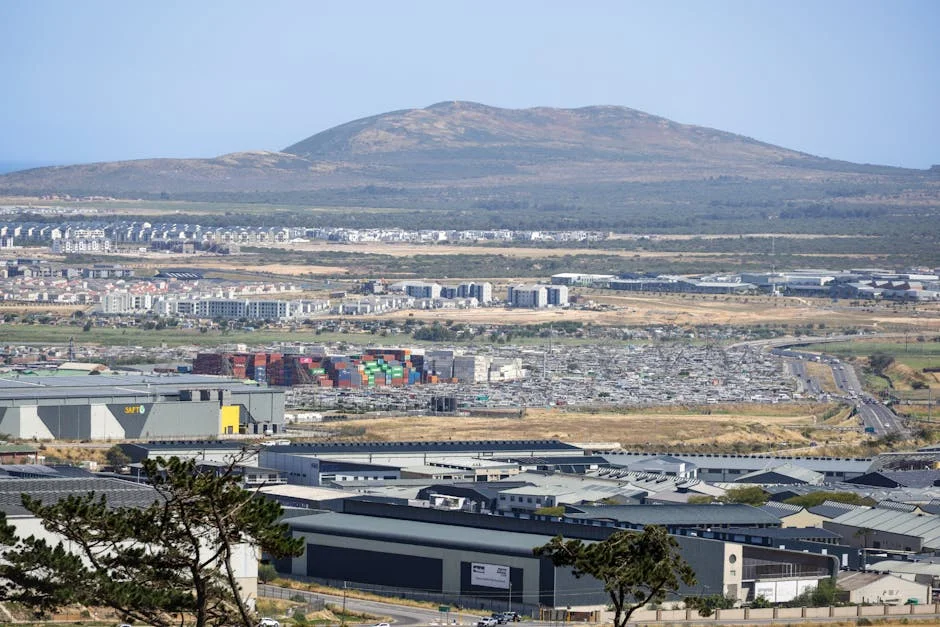
Governor Lesetja Kganyago of the South African Reserve Bank has hinted that a significant drop in inflation could lead to a reevaluation of the current rate hike strategy. With inflation pressures potentially easing, businesses might see a reprieve from rising borrowing costs, which have stifled expansion efforts.
Impact of Global Economic Trends

The global economic environment also plays a pivotal role. As South Africa is a key player in the commodities market, fluctuations in global demand can directly affect its economic health. Recently, a slight recovery in commodity prices offers a glimmer of hope for South African exports, potentially stabilising the economy further.
Additionally, South Africa's trade relationships, particularly with countries like China and the United States, impact its economic stability. A strengthening of these ties could bolster economic growth, providing more room for the Reserve Bank to manoeuvre on interest rates.
Implications for Markets and Businesses
Market Reactions and Investor Sentiment
Financial markets are closely monitoring these developments. A halt in interest rate hikes could lead to a surge in equities as investors gain confidence in more stable economic conditions. The Johannesburg Stock Exchange might see increased activity if businesses anticipate lower financing costs.
For Singaporean investors, understanding how South African economic policies can influence global markets is of interest, especially in sectors like mining and agriculture where South Africa has a significant footprint.
Business Strategy Adjustments
Businesses in South Africa, particularly SMEs, would welcome a pause in rate hikes. Lower interest rates could mean reduced costs for capital, allowing for expansion and increased employment. This would be a respite for a sector that has been under pressure due to high borrowing costs.
What to Watch Next
The next meeting of the South African Reserve Bank is scheduled for early December 2023. The outcomes of this meeting will be pivotal. Investors and businesses should watch for any announcements regarding changes in interest rate policy. Additionally, monitoring inflation trends and economic growth data leading up to the meeting will provide clues about potential policy shifts.
See Also
- Middle East Confirms Attack That Killed Two Indians - Impact on Singapore Markets Awaited
- Finance Minister Nirmala Sitharaman Assures Fiscal Vigil Amid Oil Spike
The Johannesburg Stock Exchange might see increased activity if businesses anticipate lower financing costs.For Singaporean investors, understanding how South African economic policies can influence global markets is of interest, especially in sectors like mining and agriculture where South Africa has a significant footprint.Business Strategy AdjustmentsBusinesses in South Africa, particularly SMEs, would welcome a pause in rate hikes. Additionally, monitoring inflation trends and economic growth data leading up to the meeting will provide clues about potential policy shifts.