Six workers were found dead inside a single railcar at a busy rail yard near the Texas-Mexico border, sending shockwaves through the logistics sector. This incident occurs precisely when global supply chains are relying heavily on the North American corridor to offset volatility in Asian and European markets. For investors in Singapore and beyond, this is not just a local tragedy but a potential flashpoint for freight costs and delivery timelines.
Immediate Economic Ripples in Logistics
The discovery of six bodies in a railcar at a facility near Laredo, Texas, has triggered an immediate operational pause. Rail operators are conducting safety inspections across the network, which often leads to temporary bottlenecks. These bottlenecks can cause ripple effects that extend far beyond the immediate vicinity of the accident. Freight forwarders are already reporting delays in the movement of goods from Mexico to the US Midwest.
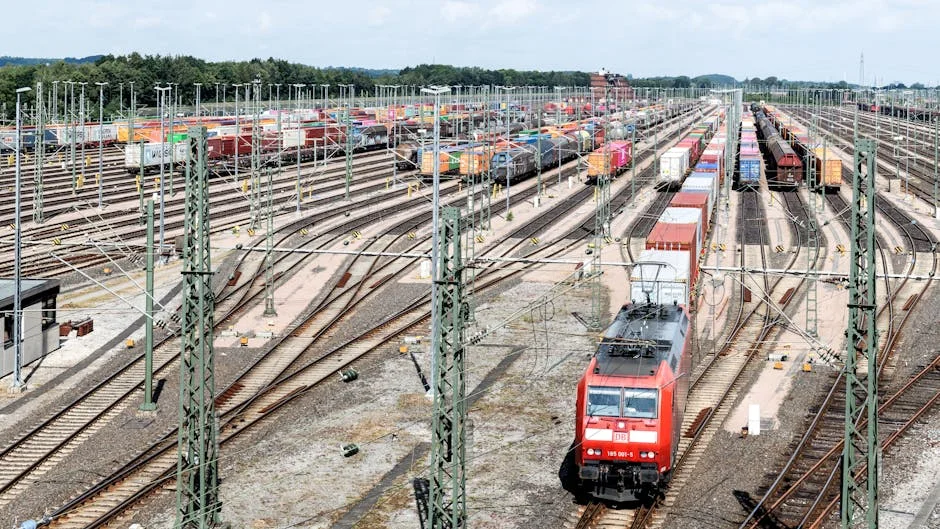
For businesses dependent on just-in-time delivery models, even a 24-hour delay can result in millions of dollars in lost revenue. The Texas-Mexico border is one of the most critical trade gateways in the world. Any disruption here affects the flow of automobiles, electronics, and agricultural products. Investors must monitor the Texas general update for signs of prolonged congestion at the rail yards.
Market reactions to such incidents are often swift. Shipping indices may spike as carriers rush to secure alternative routes. Air freight costs, typically higher than rail, may see a surge in demand as companies seek to mitigate the risk of further rail delays. This shift in modal preference can impact the profitability of both rail and air logistics firms.
Investor Perspective on Rail Sector Volatility


The rail sector is often viewed as a stable, dividend-paying asset class. However, this incident highlights the latent risks within the industry. Safety concerns can lead to increased regulatory scrutiny, which in turn drives up operational costs. Companies like Union Pacific and BNSF Railway, which dominate the Texas-Mexico corridor, may face higher insurance premiums and maintenance expenses.
For Singapore-based investors with exposure to US logistics firms, this event serves as a reminder of the importance of diversification. Over-reliance on a single geographic corridor can amplify risk. The Texas impact on SG portfolios depends largely on the weight of logistics and consumer goods stocks. If delays persist, consumer goods companies may see margin compression due to higher freight costs.
Analysts suggest that the initial market reaction may be overblown, but the medium-term implications could be more profound. If the investigation reveals systemic safety issues, regulatory bodies may impose stricter operating hours or speed limits. These measures could reduce the overall throughput of the rail network, leading to higher costs for shippers. How Discovery affects SG investment strategies will depend on how quickly the rail networks stabilize.
Regulatory Scrutiny and Compliance Costs
The Federal Railroad Administration (FRA) is likely to launch a comprehensive review of safety protocols. This review could result in new compliance requirements for rail operators. Compliance costs are often passed on to consumers through higher freight rates. This inflationary pressure can affect the broader economy, particularly in sectors with thin profit margins. Investors should watch for announcements from the FRA regarding new safety mandates.
Regulatory changes can also impact the valuation of rail stocks. Stricter regulations may reduce the efficiency gains that rail companies have achieved in recent years. This could lead to a re-rating of the sector, with lower price-to-earnings multiples. For long-term investors, this presents both a risk and an opportunity. Companies that can adapt quickly to new regulations may emerge as winners.
Supply Chain Disruptions and Business Implications
The Texas-Mexico rail corridor is a lifeline for many multinational corporations. Disruptions here can affect the production schedules of automakers, electronics manufacturers, and retailers. Companies that have not diversified their supply chains may find themselves vulnerable to sudden shocks. This incident underscores the need for robust supply chain resilience strategies.
Businesses operating in the region are likely to accelerate their efforts to diversify their logistics options. This may involve increasing the use of trucking or even air freight for high-value goods. Such shifts can lead to increased competition for capacity, driving up prices. The Texas developments explained in recent reports highlight the growing complexity of global supply chains.
For small and medium-sized enterprises (SMEs), the impact can be particularly severe. SMEs often have less negotiating power with logistics providers, making them more susceptible to price hikes. This can squeeze their profit margins and affect their competitiveness. Investors looking at the SME sector should consider the potential for margin pressure in the coming quarters.
Market Reactions and Sector Analysis
Financial markets are likely to react to the news with increased volatility. Logistics and transportation stocks may see short-term fluctuations as investors assess the potential for prolonged disruptions. The broader market may also be affected, particularly if the incident leads to higher consumer prices. Inflation concerns could resurface if freight costs remain elevated for an extended period.
Commodities markets may also feel the impact. The Texas-Mexico corridor is crucial for the transport of crude oil, natural gas, and agricultural products. Any disruption can lead to price spikes in these commodities. This can affect the cost of production for various industries, from manufacturing to food processing. Investors in commodity-linked funds should monitor the situation closely.
The bond markets may also react to the news. If the incident leads to increased regulatory costs for rail companies, their credit ratings could be affected. This could lead to higher borrowing costs for the sector, impacting their profitability. For fixed-income investors, this presents a potential risk to the quality of their holdings. Discovery analysis SG suggests that a diversified portfolio is key to mitigating such risks.
Broader Economic Consequences
The incident has broader implications for the US economy. The rail industry is a major employer and a key driver of economic growth. Disruptions can lead to reduced economic activity in the regions served by the rail network. This can have a knock-on effect on local businesses and the broader economy. The Texas general update will provide more insights into the economic impact of the incident.
For the global economy, the incident highlights the interconnectedness of modern supply chains. A disruption in one part of the world can have far-reaching consequences. This is particularly relevant for countries like Singapore, which rely heavily on trade. Any disruption in the North American corridor can affect the flow of goods to and from Asia. Investors should consider the global implications of the incident.
The incident also raises questions about the resilience of the global supply chain. Companies that have invested in supply chain diversification and flexibility are likely to be better positioned to weather the storm. This incident may accelerate the trend towards supply chain diversification, with companies looking to reduce their reliance on single corridors. This shift could have long-term implications for the logistics industry.
What to Watch Next
Investors and businesses should closely monitor the progress of the investigation into the rail accident. The findings could have significant implications for the rail industry and the broader economy. Regulatory announcements from the Federal Railroad Administration will be key indicators of potential changes in the sector. Investors should also watch for updates on freight rates and delivery times in the Texas-Mexico corridor. The next few weeks will be critical in determining the extent of the disruption.
See Also
- Australia Commits $10bn to Fuel and Fertiliser Security Amid Economic Uncertainty
- Trump Extends Iran War Timeline — Markets Brace For Shock
What is the latest news about texas rail tragedy exposes 200b supply chain risk?
Why does this matter for politics-governance?
What are the key facts about texas rail tragedy exposes 200b supply chain risk?