The European Union is tightening its grip on trade relations with China, signalling a potential shift towards a trade war. Key EU officials have recently expressed dissatisfaction over ongoing trade imbalances and unfair practices, particularly in technology sectors. This growing discord is poised to have significant implications for markets globally, including for Singapore.
Trade Imbalance Prompts EU Action
In 2022, the EU faced a staggering trade deficit of €400 billion with China, a situation that has led to increasing frustration among European leaders. Notably, European Commission President Ursula von der Leyen has called for stricter mechanisms to counteract what she describes as China's “unfair trade practices.” The EU's focus is primarily on safeguarding its technological advancements and maintaining competitive integrity.
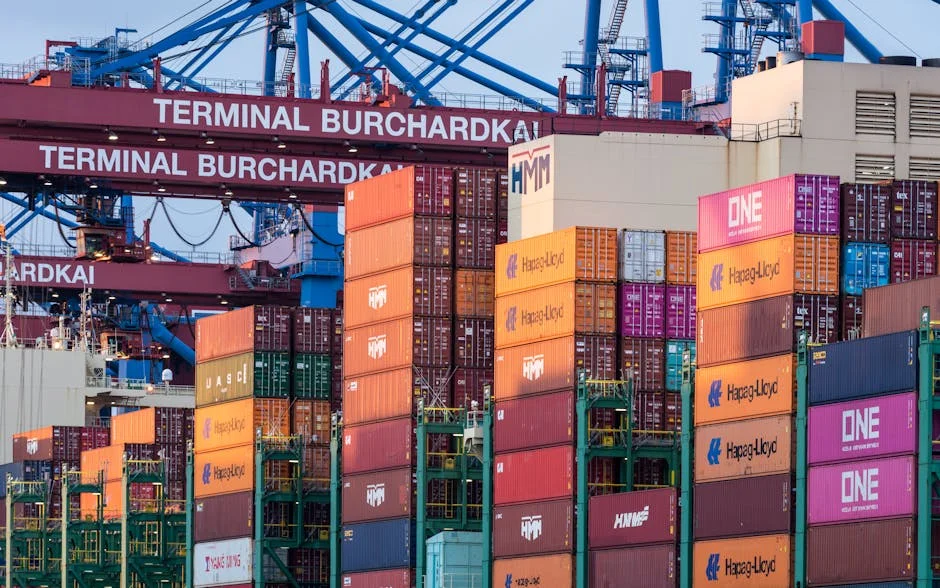
This shift towards a more aggressive trade stance is evident as the EU deliberates on implementing new tariffs on Chinese imports. Such tariffs could potentially range between 20% and 30% on certain goods, affecting industries from manufacturing to agriculture.
Market Reactions to Potential Tariffs


Investors are already reacting to the prospect of a trade war. European stock markets have shown volatility, with indices fluctuating as traders digest the news. The DAX in Germany dropped by 1.5% following reports of proposed tariffs, while the FTSE 100 in the UK experienced a similar decline. Analysts warn that prolonged tensions could lead to decreased investor confidence and market instability.
In Singapore, businesses with significant trade ties to both Europe and China are bracing for further complications. The Singapore Exchange (SGX) has already noted increased trading volumes in commodities that might be affected by these tariff changes. The anticipated impact on supply chains is a key concern, especially for firms reliant on imports from China.
Implications for Businesses and Investors
European companies that heavily depend on Chinese goods may find their operational costs rising substantially if tariffs are implemented. The European automobile industry, for instance, risks facing higher prices for Chinese parts, which could translate to increased costs for consumers.
Investors should also pay close attention to how these developments impact the technology sector, particularly companies like ASML, which holds a dominant position in semiconductor equipment. A trade war could hinder its ability to supply to Chinese firms, potentially stalling progress in critical technologies.
Long-term Economic Consequences
Economists warn that a trade war could have long-lasting effects on global economic growth. The International Monetary Fund (IMF) has projected a potential slowdown of global GDP growth by 0.5% if tensions escalate further. For countries like Singapore, which serve as a trade hub in Asia, any disruption in European-Chinese relations could lead to significant economic repercussions.
Additionally, rising prices for imported goods could contribute to inflationary pressures within the EU. This scenario could further complicate the European Central Bank’s efforts to manage monetary policy effectively amid a delicate economic recovery.
Next Steps and What to Watch
The EU is set to hold discussions regarding the proposed tariffs in early December, a timeline that businesses and investors should monitor closely. A vote on these measures could signal significant shifts in international trade dynamics, setting the stage for further negotiations with China.
As Europe prepares to navigate these turbulent waters, stakeholders in Singapore and beyond should keep a close eye on upcoming developments. Understanding the implications of a potential trade war will be crucial for businesses and investors alike, as the global economy braces for what lies ahead.
See Also
- Kenya’s Foreign Minister Ends Support for Russia, Shifting Diplomatic Stance
- Tamil Nadu Keeps Two-Language Policy — Business Leaders React
The anticipated impact on supply chains is a key concern, especially for firms reliant on imports from China.Implications for Businesses and InvestorsEuropean companies that heavily depend on Chinese goods may find their operational costs rising substantially if tariffs are implemented. For countries like Singapore, which serve as a trade hub in Asia, any disruption in European-Chinese relations could lead to significant economic repercussions.Additionally, rising prices for imported goods could contribute to inflationary pressures within the EU.