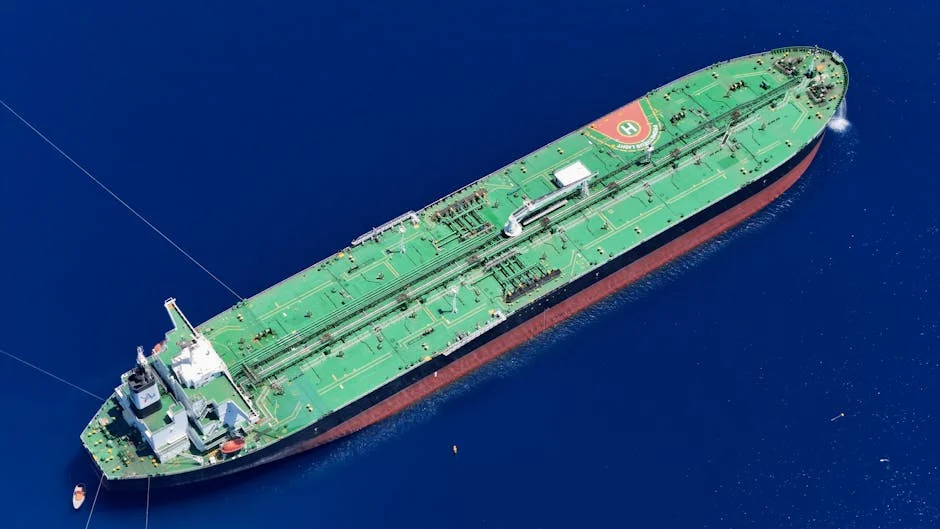
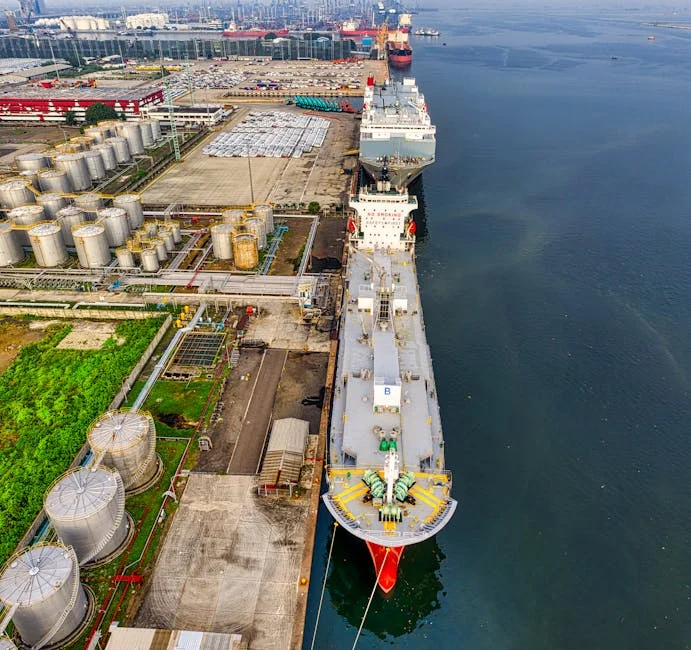
President Donald Trump has sought a diplomatic resolution to escalating tensions with Iran, but Tehran has shown no sign of backing down, raising concerns among global markets and investors. The White House has been in active discussions with allies, including the UK and Gulf states, as uncertainty over regional stability grows. With oil prices already fluctuating, the situation has sparked worries about potential economic fallout, particularly for energy-dependent economies like Singapore.
Trump's Diplomatic Push and Iran's Response
Trump has repeatedly called for de-escalation, urging Iran to return to the negotiating table. In a recent statement, he said, “We are committed to peace, but we will not be bullied.” However, Iranian officials have dismissed the US approach as insincere. On April 5, the Iranian Foreign Ministry released a statement reaffirming its stance, saying, “We will not negotiate under pressure.”

The situation has created a high-stakes political standoff. The US has maintained sanctions on Iran since 2018, and the recent escalation has led to fears of military confrontation. For investors, the uncertainty has translated into increased volatility in global markets, particularly in energy and defense sectors.
Market Reactions and Investor Sentiment


Global stock markets have shown mixed reactions to the ongoing tension. On April 6, the S&P 500 fell 0.8% as investors braced for potential disruptions in oil supply. Meanwhile, the price of Brent crude oil rose to $68.50 per barrel, its highest level in two months. Analysts at Vanguard News noted that the market is closely watching the situation, with many fearing a potential spike in energy prices if the conflict escalates.
For Singapore, a major global trading hub, the implications are significant. The country relies heavily on stable energy prices and regional stability to maintain its economic growth. A sudden increase in oil prices could lead to higher production costs for local industries, particularly in manufacturing and logistics.
Economic Implications for Singapore and the Region
As a key player in Southeast Asian trade, Singapore's economy is highly sensitive to regional instability. The Monetary Authority of Singapore (MAS) has warned that any prolonged conflict could lead to inflationary pressures, affecting both consumers and businesses. “We are monitoring the situation closely,” said MAS Governor Ravi Menon in a recent speech. “A sustained rise in energy costs could have a ripple effect across the economy.”
Local businesses, particularly those in the shipping and aviation sectors, are also preparing for potential disruptions. Companies like Singapore Airlines and Temasek Holdings have expressed concerns about rising fuel costs and the possibility of supply chain delays. The government has been in communication with key industry players to ensure preparedness.
Investor Strategies Amid Uncertainty
Investors are adjusting their portfolios to account for the heightened risk. Many are shifting towards safer assets, such as gold and government bonds, while reducing exposure to energy and defense stocks. According to a report by Vanguard News, the Singapore Exchange (SGX) saw a 12% increase in trading volume for gold ETFs in the week following the latest developments.
“The market is reacting to the uncertainty, not the actual conflict,” said financial analyst Sarah Tan, a senior strategist at DBS Bank. “Investors are hedging their bets, but the long-term impact will depend on how the situation evolves.”
What to Watch Next
The coming weeks will be critical in determining the trajectory of the situation. A key event to watch is the scheduled UN Security Council meeting on April 12, where the US and its allies will push for stronger sanctions against Iran. Meanwhile, the Iranian government has hinted at possible retaliatory measures, including the potential closure of the Strait of Hormuz, a vital shipping lane for global oil trade.
For Singapore, the focus will be on how the government manages the economic impact. The MAS is expected to provide further guidance on inflation and monetary policy in the coming weeks. Investors and businesses are advised to stay informed and prepare for potential market fluctuations.