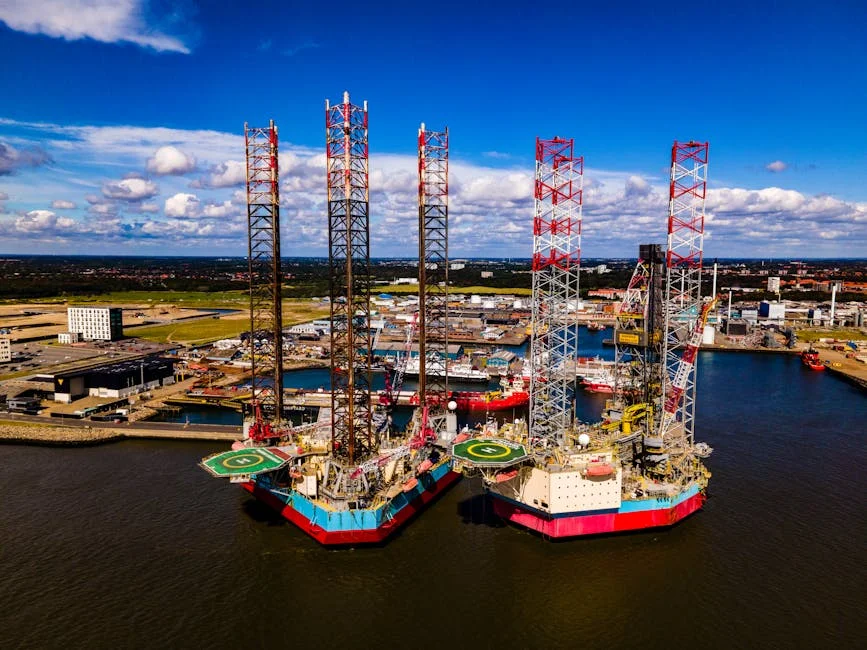
Oil prices fell by 6.2% on Monday after the Strait of Hormuz reopened, easing global supply fears and boosting investor confidence. The European Union, particularly Germany, saw a sharp rebound in stock markets as energy costs declined. The development follows weeks of tension over the strategic waterway, which connects the Persian Gulf to the Arabian Sea. The German Ministry of Economics confirmed the market shift, attributing it to improved geopolitical stability and reduced risk premiums.
Market Reactions Across Europe
The Frankfurt Stock Exchange rose 2.1% on Monday, with energy and transport stocks leading the gains. Investors welcomed the drop in oil prices, which had been hovering near $110 per barrel amid fears of supply disruptions. The German DAX index, a key indicator of the country’s economic health, saw a surge in trading volume as traders anticipated lower production costs for manufacturers.
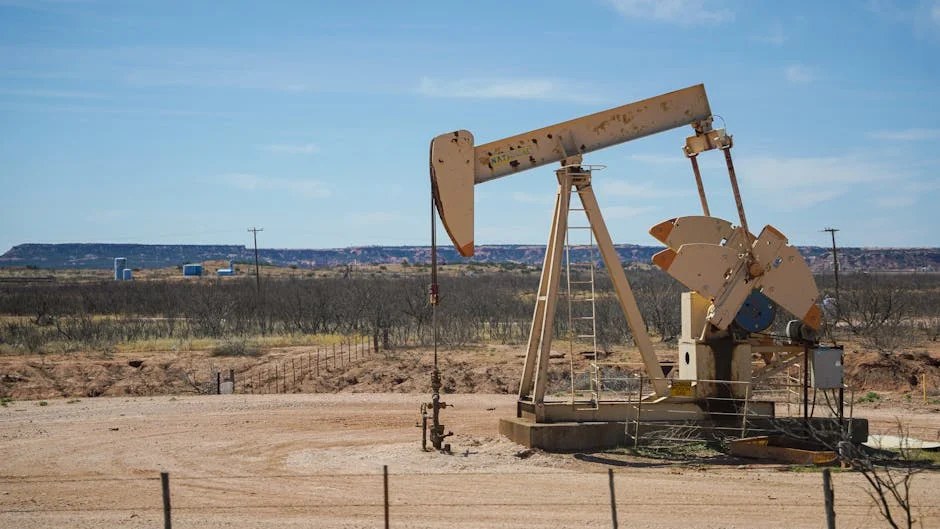
The European Central Bank (ECB) noted that the drop in oil prices could help curb inflationary pressures, which have been a major concern for policymakers. “This development provides a temporary reprieve for consumers and businesses,” said ECB spokesperson Laura Fischer. “However, we remain cautious about long-term price trends.”
Business Implications for German Industry


German manufacturing firms, which rely heavily on stable energy prices, are already adjusting their strategies. Volkswagen and BMW reported lower fuel costs in their quarterly reports, which could translate into reduced production expenses. The automotive sector, a major contributor to Germany’s GDP, is expected to see a modest boost in profit margins.
Logistics companies, including DHL and Deutsche Post, also welcomed the decline. “Lower fuel costs mean we can offer more competitive shipping rates,” said DHL spokesperson Martin Becker. “This is good news for both businesses and consumers.”
Investor Sentiment and Global Markets
The global stock market reaction was mixed, with Asian markets showing more cautious optimism. In Tokyo, the Nikkei 225 rose 1.4%, while the Shanghai Composite gained 0.8%. Investors in the US, however, remained wary, with the S&P 500 showing a slight decline. Analysts suggest that the market’s response reflects a broader uncertainty about the global economic outlook.
“The drop in oil prices is positive, but it doesn’t solve the underlying issues of inflation and supply chain bottlenecks,” said economist Dr. Anika Schulze. “Germany’s economy is resilient, but it still faces challenges from the energy transition and rising interest rates.”
Regional Economic Impact
The impact of the oil price drop is felt most in energy-intensive sectors. In the Ruhr Valley, a major industrial region, companies are reassessing their budgets for the remainder of the year. Local officials have called for targeted support to help small and medium enterprises (SMEs) benefit from the lower energy costs.
“We’re seeing a cautious optimism,” said Ruhr Valley Chamber of Commerce Director Klaus Weber. “Businesses are starting to plan for the second half of the year, but the long-term outlook remains uncertain.”
Energy Transition and Long-Term Outlook
While the immediate market reaction has been positive, the long-term effects of the oil price drop remain unclear. Germany’s push toward renewable energy has been accelerated by the energy crisis, but the current drop in oil prices may slow the pace of investment in green technologies.
“We need to balance short-term savings with long-term sustainability,” said Minister for Economic Affairs Robert Habeck. “Lower oil prices are a relief, but we must not lose sight of our climate goals.”
What to Watch Next
Investors and analysts are closely monitoring the next few weeks for any signs of renewed geopolitical tensions. The European Union is also set to release its quarterly economic forecast in early August, which will provide further insight into the region’s growth prospects. For German businesses, the key will be how quickly they can translate lower energy costs into broader economic gains.
The coming weeks will also see the German government’s response to the current energy situation. A major energy policy review is expected in September, which could shape the country’s approach to both fossil fuels and renewables in the years ahead.
See Also
- Seis Targets Promotion in Liga 3 — A Crucial Weekend for Investors
- Benito Slams Iturralde Over Arbitration Response
Analysts suggest that the market’s response reflects a broader uncertainty about the global economic outlook. “Germany’s economy is resilient, but it still faces challenges from the energy transition and rising interest rates.” Regional Economic Impact The impact of the oil price drop is felt most in energy-intensive sectors.