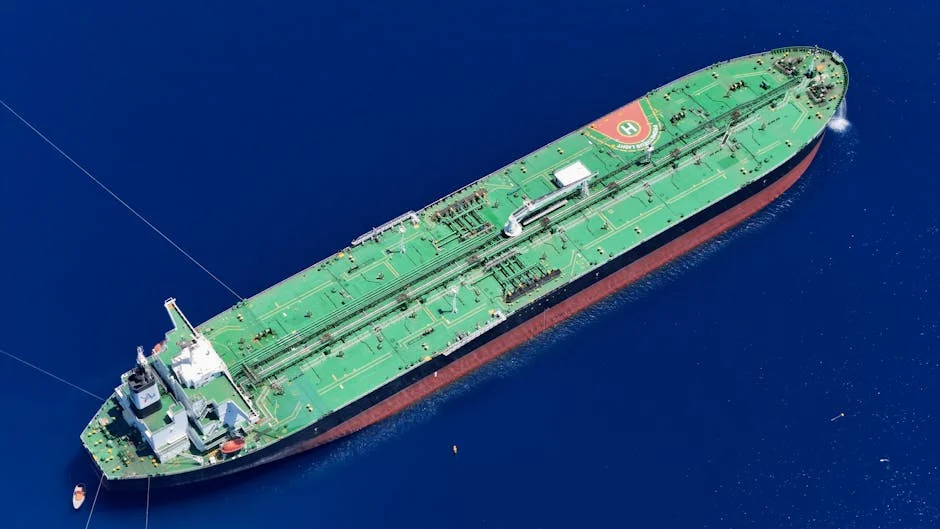
The Islamic Republic of Iran has deployed a small, Iran-linked tanker to challenge US sanctions by navigating through the Arabian Sea, marking a direct test of Washington’s maritime blockade. The vessel, named *Alborz*, was spotted near the Strait of Hormuz on 10 May, a critical chokepoint for global oil shipments. The move comes as the US intensifies pressure on Tehran over its nuclear programme and regional activities.
How the Move Challenges US Sanctions
The *Alborz* is believed to be carrying crude oil from Iran’s southern ports, including Bandar Abbas, a key hub for the country’s energy exports. The US has imposed strict restrictions on Iranian oil trade, but the vessel’s journey suggests Iran is seeking alternative routes to bypass these measures. The move highlights the growing tension between Washington and Tehran, with the US Department of Treasury warning that any violation of sanctions could lead to further penalties.
Analysts say the operation reflects Iran’s increasing willingness to defy US policies. “This isn’t just a symbolic act,” said Dr. Amin Saeedi, a senior fellow at the Atlantic Council. “It shows Iran is trying to maintain its economic leverage despite the sanctions.” The tanker’s route through the Arabian Sea also raises concerns about regional stability, as the area is a hotspot for naval activity and geopolitical rivalry.
Market Reactions and Economic Implications

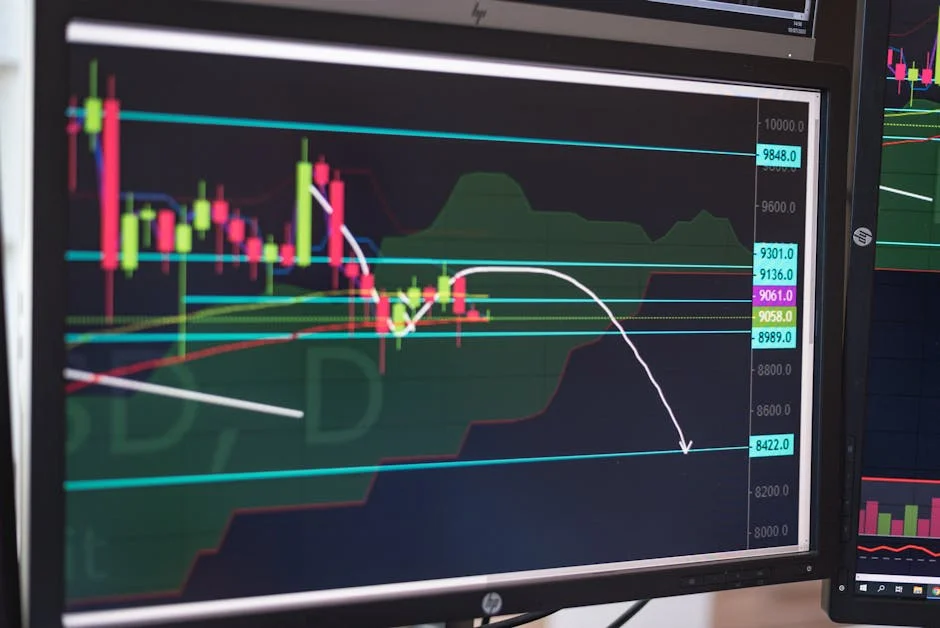
The news sent ripples through global markets, with oil prices surging by 2.3% on 11 May as traders anticipated potential disruptions. Brent crude rose to $84.50 per barrel, while the US dollar weakened slightly against the euro, reflecting uncertainty over the conflict’s impact on supply chains. Investors are now closely watching how the US and its allies will respond to the Iranian vessel’s movements.
For businesses, the situation adds another layer of complexity to supply chain management. Shipping companies operating in the region are reassessing routes, with some rerouting cargo through the Suez Canal to avoid the Strait of Hormuz. The move could increase transportation costs and delay deliveries, particularly for firms reliant on Middle Eastern oil and goods.
Regional and Global Economic Impact
The Arabian Sea is a vital artery for global trade, with over 20% of the world’s oil passing through the Strait of Hormuz. Any disruption in this corridor could have far-reaching effects, particularly on Asian economies that depend on stable oil supplies. Singapore, a major shipping and trading hub, is closely monitoring the situation, as any escalation could affect its role in regional trade.
China, Iran’s key economic partner, has also taken notice. The Chinese Ministry of Foreign Affairs reiterated its support for Iran’s right to trade, while urging all parties to avoid actions that could destabilise the region. With China importing over 1 million barrels of Iranian oil daily, the situation could influence Beijing’s diplomatic and economic strategies in the coming months.
Investor Sentiment and Risk Assessment
Investors are increasingly factoring in geopolitical risks, with hedge funds and asset managers adjusting portfolios to account for potential volatility. The S&P 500 Energy Index saw a 1.8% increase on 11 May, reflecting heightened interest in oil-related assets. Meanwhile, the US Federal Reserve is expected to closely monitor the situation, as rising oil prices could fuel inflationary pressures.
For Singapore-based investors, the move underscores the need to diversify energy sources and strengthen supply chain resilience. The Monetary Authority of Singapore has issued a statement advising firms to assess their exposure to regional geopolitical risks and consider hedging strategies.
What’s Next for the Region?
The US has not yet confirmed whether it will take direct action against the *Alborz*, but officials have warned that any attempt to bypass sanctions will face consequences. The situation is expected to escalate in the coming weeks, with the US likely to deploy naval assets to monitor the area. A potential confrontation could lead to a broader regional conflict, with serious economic and market repercussions.
For now, the focus remains on the next steps. Investors and businesses must remain vigilant as the situation develops, with the Strait of Hormuz continuing to be a flashpoint for global tensions. The coming days will determine whether this move by Iran is a minor test of US power or a precursor to a larger geopolitical shift.
See Also
- Man Industries Downgraded: Analyst Predicts Tough Times Ahead for NSE India
- UMP Transport Suspension Strands Students, Triggers Regional Market Review
Singapore, a major shipping and trading hub, is closely monitoring the situation, as any escalation could affect its role in regional trade. With China importing over 1 million barrels of Iranian oil daily, the situation could influence Beijing’s diplomatic and economic strategies in the coming months.
What is the latest news about iranlinked tanker defies us blockade in arabian sea move?
Why does this matter for economy-business?
What are the key facts about iranlinked tanker defies us blockade in arabian sea move?