Iran's foreign ministry has denied U.S. President Donald Trump's claims that several women are facing execution for protesting against the government. The statement came after Trump, speaking at a rally in Texas on August 15, alleged that Iranian women were being targeted for their activism. The denial adds to the growing diplomatic tension between the two nations, with implications for global markets and investor confidence.
Iranian Officials Reject Trump's Allegations
The Iranian foreign ministry issued a formal statement on August 16, rejecting Trump's claims as "baseless and politically motivated." A spokesperson for the ministry said, "Iran is committed to the rule of law and the protection of all citizens, including women." The statement emphasized that no individuals had been sentenced to death for participating in protests, a claim that contradicts reports from human rights groups.
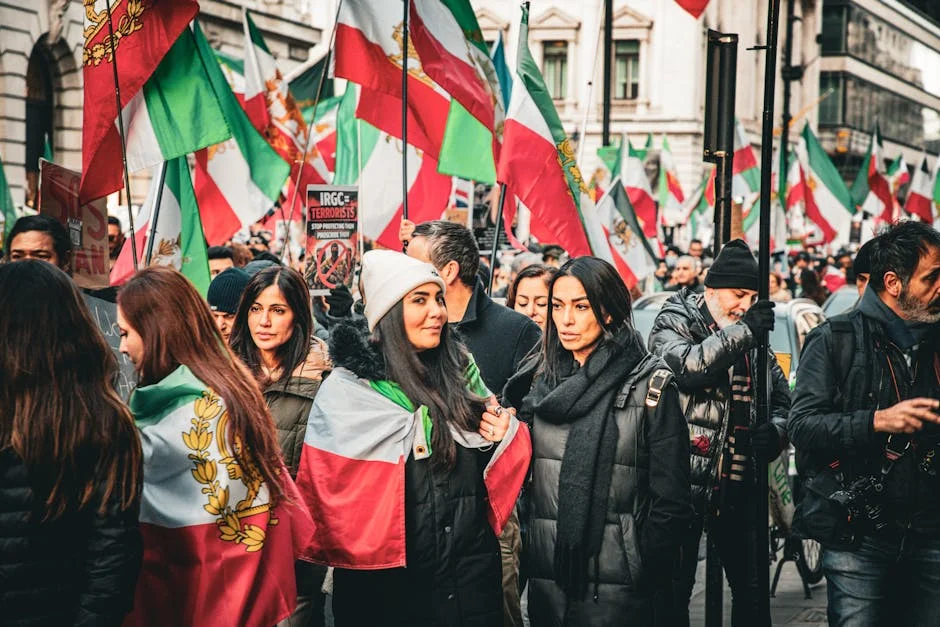
Trump's remarks, made during a campaign event in Houston, sparked immediate backlash from Iranian officials. The U.S. president has long been critical of Iran's human rights record, and his comments come amid heightened tensions over the country's nuclear program and regional influence. The exchange highlights the fragile state of U.S.-Iran relations, which have deteriorated significantly since the Trump administration withdrew from the 2015 nuclear deal in 2018.
Market Reactions and Investor Sentiment
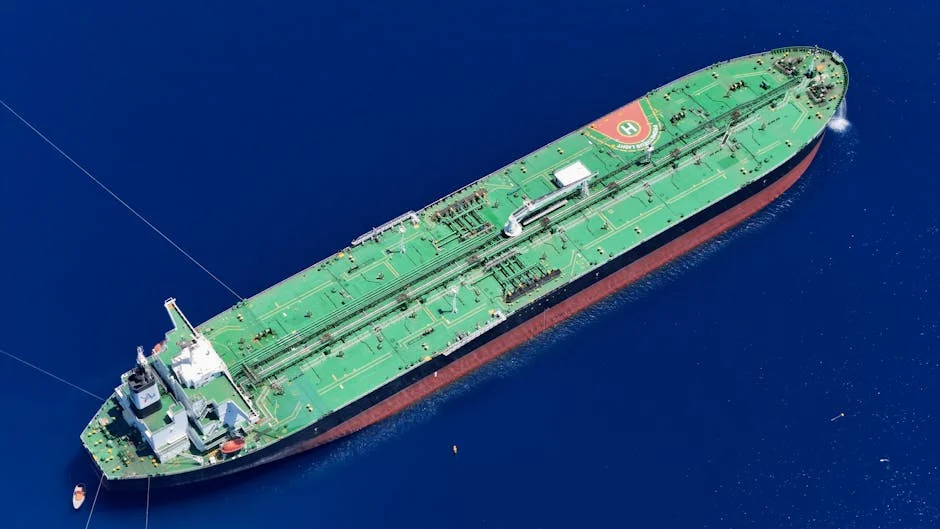
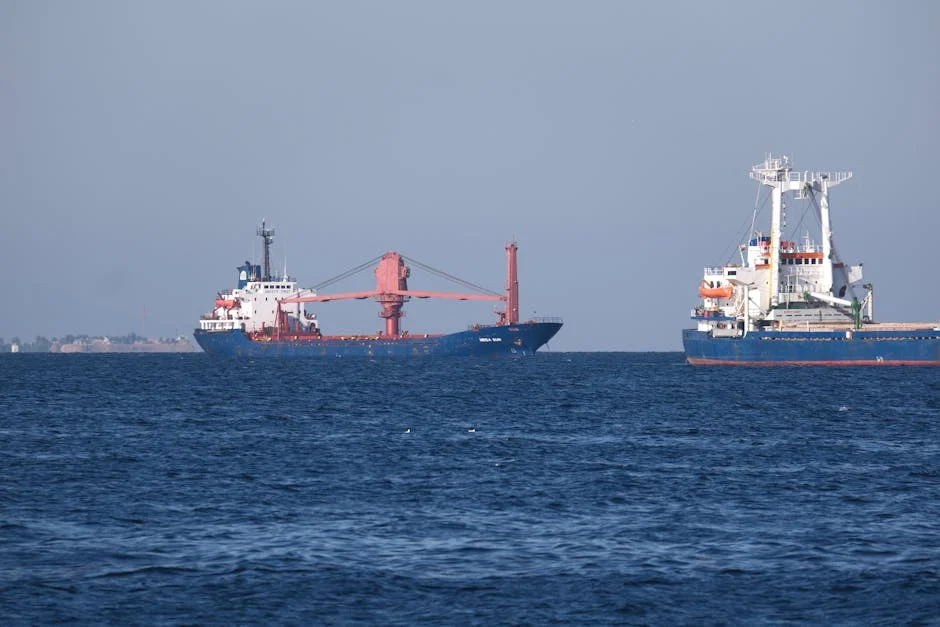
The denial from Iran did little to ease concerns among investors, who remain wary of the geopolitical risks associated with the U.S.-Iran conflict. On August 16, global oil prices rose by 1.2% as traders anticipated continued instability in the Middle East. Brent crude, a key benchmark, reached $72.50 per barrel, reflecting fears of supply disruptions in the Strait of Hormuz, a vital shipping route.
Financial markets in Singapore and other Asian hubs have also shown signs of caution. The Singaporean dollar weakened slightly against the U.S. dollar, with analysts noting that regional investors are closely monitoring the situation. "Tensions between the U.S. and Iran can have ripple effects on global trade and commodity prices," said Sarah Lin, a financial analyst at DBS Bank. "Investors are keeping a close eye on how this plays out."
Business Implications and Supply Chain Risks
For businesses operating in the Middle East, the ongoing diplomatic friction between the U.S. and Iran poses significant risks. Multinational companies, particularly those involved in energy and logistics, are reassessing their exposure to the region. According to a report by the International Chamber of Commerce, over 30% of firms in the Gulf Cooperation Council are considering shifting operations or diversifying supply chains.
The situation also raises concerns for international trade. The U.S. has imposed stringent sanctions on Iran, which have already disrupted supply chains for several industries. With the potential for further escalation, companies are preparing for increased volatility. "We are seeing a lot of uncertainty in the region," said Michael Chen, a supply chain expert at Singapore-based logistics firm DHL. "Businesses need to be agile and ready to adapt."
What to Watch Next
The coming weeks will be critical in determining the trajectory of U.S.-Iran relations. On August 28, the U.S. State Department is set to release its annual human rights report, which is expected to include a detailed assessment of Iran's treatment of women. This report could further inflame tensions and influence global perceptions of the country.
Investors and businesses should also monitor developments in the Strait of Hormuz, where naval forces from both sides have been increasing their presence. Any escalation in this region could have immediate consequences for global energy markets. As the situation evolves, Singapore-based investors and multinational corporations will need to stay vigilant and adjust their strategies accordingly.