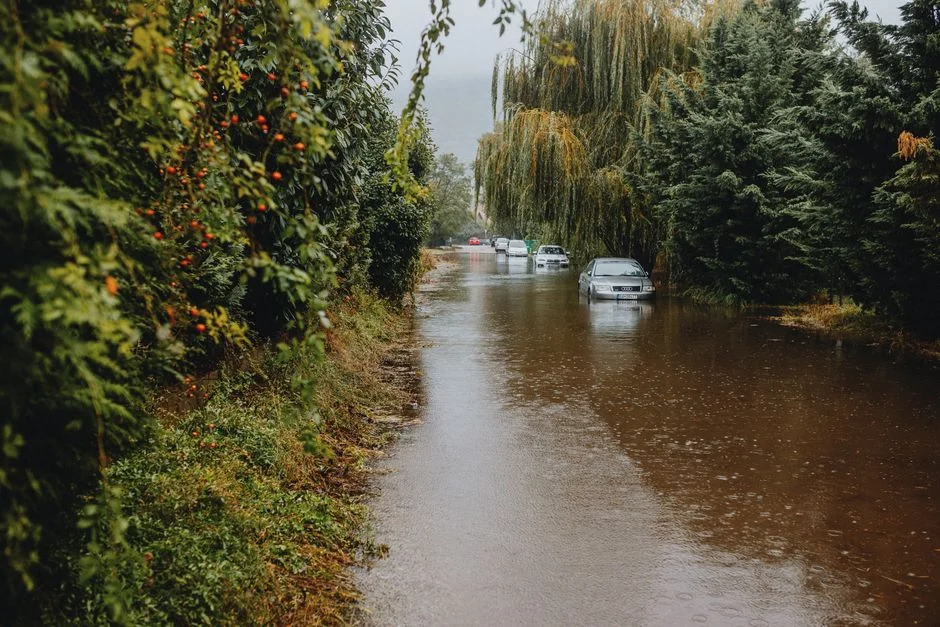
Kerala’s government has delayed the opening of the Thanneermukkom bund, a critical barrier controlling water flow between the Vembanad Lake and the backwaters, exacerbating water shortages in rural areas. The decision, announced by the state’s Water Resources Minister K. Rajan, comes as drought conditions worsen in the Alappuzha and Kottayam regions. The delay, originally scheduled for early May, has left farmers and local communities in limbo, with no clear timeline for relief.
Thanneermukkom: A Lifeline for Backwater Villages
The Thanneermukkom bund, located in Alappuzha district, is a 2.2-kilometre embankment that regulates water levels in the Vembanad Lake, one of India’s largest wetlands. For decades, it has played a crucial role in managing water distribution for agriculture, fishing, and domestic use. The bund’s opening is typically timed to coincide with the onset of the monsoon, ensuring that water levels remain stable throughout the year. However, this year’s delay has disrupted that cycle.

“The delay is causing panic among farmers who rely on the backwaters for irrigation,” said Ramesh Nair, a farmer from Kottayam. “Without water, our paddy fields are drying up.” The region, known for its extensive rice cultivation, has seen a 30% drop in groundwater levels over the past month, according to the Kerala State Water Supply and Drainage Board. This has led to rising tensions among local communities, who fear that the delay will worsen the ongoing water crisis.
Environmental and Economic Consequences

The Thanneermukkom bund’s delay has not only triggered environmental concerns but also economic repercussions. The Vembanad Lake, a key source of livelihood for thousands of fishermen, is experiencing a sharp decline in fish populations due to lower water levels. The Kerala Fisheries Department reported a 40% reduction in fish catch in the first quarter of 2025 compared to the same period last year. This has forced many fishermen to abandon their boats and seek alternative employment, further straining local economies.
For investors, the situation highlights the risks associated with climate-sensitive sectors in the region. Companies involved in agri-tourism, aquaculture, and local manufacturing have seen a decline in revenue. The Kerala State Industrial Development Corporation (KSIDC) has warned that prolonged water shortages could deter future investments in the area, particularly in the agriculture and food processing sectors.
Government Response and Public Outcry
The state government has blamed the delay on “unseasonal rainfall patterns and technical challenges” in maintaining the bund’s structural integrity. However, critics argue that the decision reflects a lack of preparedness for climate variability. “We are being treated as collateral damage in a bureaucratic delay,” said environmental activist Anjali Pillai, who has been vocal about the impact on local ecosystems.
Public outrage has led to protests in several villages, with residents demanding immediate action. The Kerala Legislative Assembly has been called upon to address the issue, with some lawmakers proposing emergency water rationing measures. Meanwhile, the Central Water Commission has offered technical assistance to assess the situation and provide alternative water management strategies.
Market and Investor Reactions
The delay has sent ripples through the local and national markets. Shares of companies involved in water infrastructure and agricultural supply chains have seen a slight decline, reflecting investor concerns. The Kerala Stock Exchange recorded a 1.2% drop in agricultural-related stocks following the announcement, according to data from the National Stock Exchange.
Investors are closely monitoring the situation, particularly in the context of India’s broader climate resilience strategies. With the 2025 monsoon season approaching, uncertainty over water availability could impact crop yields and food prices. Analysts at Axis Securities have advised caution, noting that “the agricultural sector remains highly vulnerable to hydrological changes.”
What Comes Next?
The state government has pledged to provide temporary water supply solutions, including tankers and borewells, to alleviate the immediate crisis. However, long-term solutions remain uncertain. The Water Resources Ministry has announced plans to conduct a comprehensive review of the Thanneermukkom bund’s management, with a report expected by mid-June. This review could lead to policy changes that affect water distribution across the region.
For now, the focus remains on the upcoming monsoon season. If the rains fail to meet expectations, the situation could worsen significantly. Investors, businesses, and local communities are all watching closely, hoping for a resolution that balances environmental sustainability with economic stability.
See Also
- Experts Praise A.P. Chief Minister's Vision for Quantum Valley Project - What It Means for Singapore
- Nigeria Warns Petrol Prices Could Hit N2,000/Litre Without Action