The Athletics Federation of Nigeria has confirmed that all athletes seeking to compete at the Glasgow 2026 Commonwealth Games must first clear national trials. The ruling applies to every discipline across the federation's programme and represents a tightening of qualification standards ahead of the July 2026 event in Scotland.
What the AFN Ruling Requires
Under the new directive, no athlete will receive a place on the Nigerian team to Glasgow without participating in official national trials. The federation stated that performance benchmarks must be met during these trials, with selection based purely on competitive results rather than past reputation or ranking alone. Officials indicated the move aims to ensure the strongest possible squad for the Commonwealth Games.
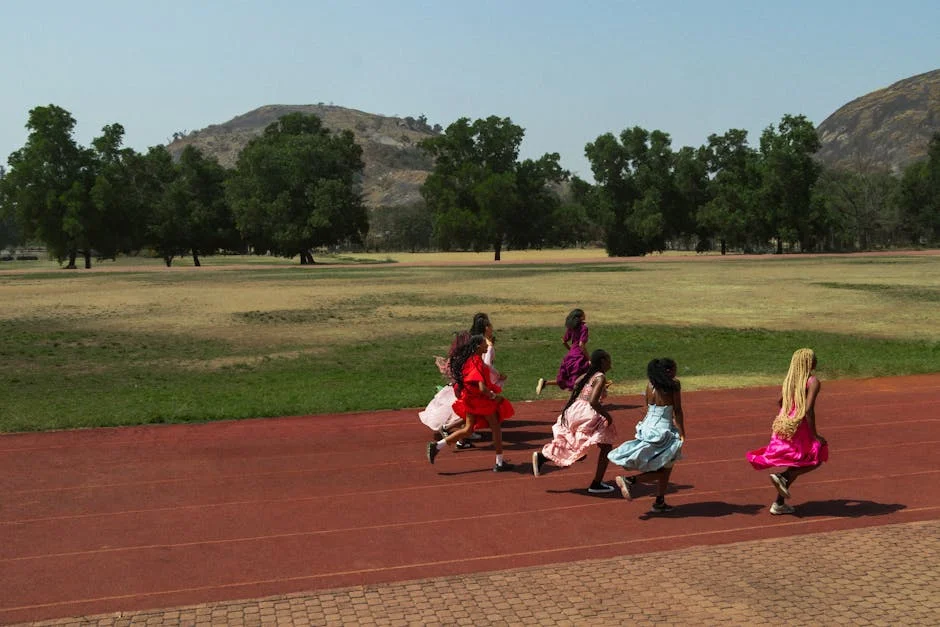
The trials are expected to take place in Lagos and Abuja, with the athletics calendar likely to shift in the first half of 2026 to accommodate the selection process. The federation has not yet released specific dates, but local media reported that trials preparation would begin by the final quarter of 2025.
Economic Stakes Behind the Qualification Rule


The decision carries financial weight for Nigerian athletics. Commonwealth Games participation attracts sponsorship deals, appearance fees, and performance bonuses from both corporate sponsors and government sports programmes. Athletes who clear the trials gain access to a structured support system that includes training grants, coaching resources, and international travel funding.
For businesses, the national trials system creates a quantifiable pipeline of talent that corporate sponsors can evaluate before committing endorsement contracts. The AFN's insistence on competitive selection reduces the risk of investing in underperforming athletes, making the selection process itself a market signal for sponsors and sports marketing firms.
Investment Implications for Sports Infrastructure
The mandatory trials format puts pressure on existing training facilities. Athletics federations and state sports ministries typically absorb the costs of hosting selection events, including venue hire, equipment, timing systems, and anti-doping administration. The Lagos National Stadium and Abuja's facilities will likely require upgrades to meet international standards for a trials event of this scale.
This creates opportunity for construction firms and sports equipment suppliers operating in Nigeria. State governments may allocate budget for facility improvements in the lead-up to trials, injecting capital into the sports infrastructure sector.
What Singapore-Based Investors Should Watch
For investors with exposure to West African markets, the AFN ruling signals a more professionalised approach to athletics governance in Nigeria. Transparent qualification processes tend to attract international federation funding and reduce corruption risks in sports administration. That matters for investors evaluating sports-related ventures in the region.
Singapore companies involved in sports technology, timing equipment, or athlete management systems may find demand for their services increasing as Nigerian athletics raises its operational standards. The national trials format generates data on athlete performance that analytics firms can monetise through talent identification platforms.
The Commonwealth Games itself generates significant broadcast revenue, with rights fees distributed to participating nations' sporting bodies. A stronger Nigerian athletics team — selected through rigorous trials — could command better placement in event scheduling and television coverage, indirectly boosting the revenue share that flows back to the AFN.
Broader Commonwealth Games Context
Glasgow 2026 will be the first Commonwealth Games held in Scotland since 2014. The event expects around 4,500 athletes from 74 nations and territories. Nigeria has historically been one of Africa's strongest athletics nations at the Commonwealth Games, and the AFN's new trials requirement suggests the federation is targeting a particularly competitive squad for 2026.
Other Commonwealth nations have adopted similar mandatory trial policies for athletics selection, making Nigeria's approach consistent with international best practices. The International Association of Athletics Federations has long advocated for transparent qualification processes as a means of strengthening the sport's credibility globally.
Timeline and Next Steps
The AFN is expected to publish full selection criteria and trial dates by the end of 2025. Athletes, coaches, and team managers will need to plan their competitive calendars around these mandatory events. Sports agents and managers should begin identifying athletes likely to clear trials, as sponsorship discussions typically accelerate once selection is confirmed.
Watch for the AFN's official announcement on trial venues and qualification marks. That document will determine which athletes stand a realistic chance of making the Glasgow squad and will shape investment decisions across the Nigerian sports sector for the next 18 months.
See Also
- Samsung Shifts Strategy to Surpass Apple with New Business Model
- Anthropic Unveils AI Breakthrough — Cybersecurity at Risk
The national trials format generates data on athlete performance that analytics firms can monetise through talent identification platforms.The Commonwealth Games itself generates significant broadcast revenue, with rights fees distributed to participating nations' sporting bodies. Nigeria has historically been one of Africa's strongest athletics nations at the Commonwealth Games, and the AFN's new trials requirement suggests the federation is targeting a particularly competitive squad for 2026.Other Commonwealth nations have adopted similar mandatory trial policies for athletics selection, making Nigeria's approach consistent with international best practices.
What is the latest news about nigeria mandates athletics trials for glasgow 2026 what changes for athletes?
Why does this matter for technology-innovation?
What are the key facts about nigeria mandates athletics trials for glasgow 2026 what changes for athletes?