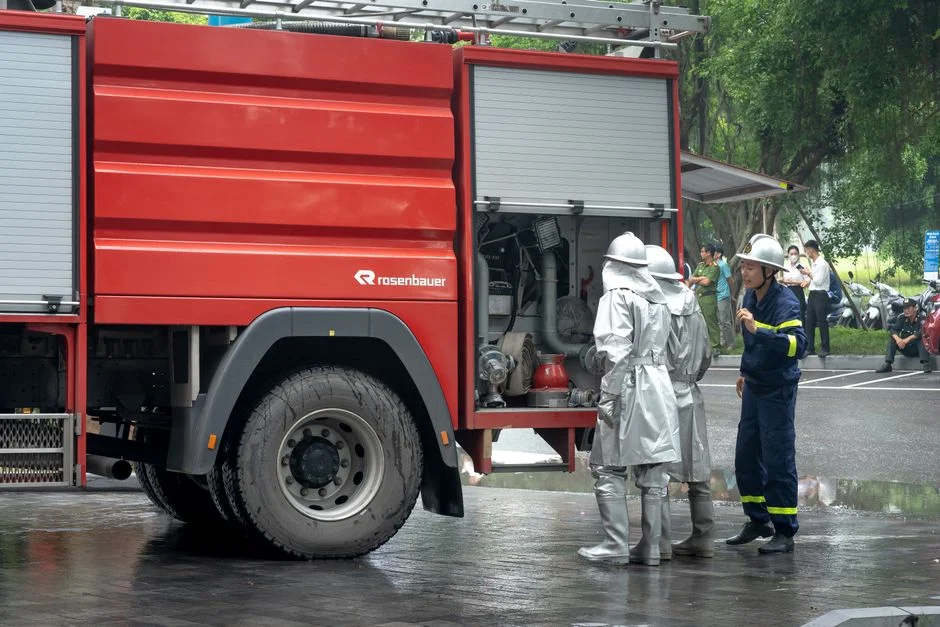
The capital woke to oppressive conditions as temperatures climbed well above seasonal averages, forcing authorities to scale back official Independence Day observances in Washington. Organisers confirmed multiple outdoor events would operate under modified schedules or reduced capacities to protect public safety. Despite the sweltering conditions, officials reported strong public attendance and an unmistakable patriotic mood across the city.
Heat Triggers Official Modifications
City authorities announced the changes early in the week after meteorological projections showed the heat index reaching dangerous levels during peak celebration hours. Several marquee events moved indoors or shifted to earlier time slots to avoid the worst afternoon conditions. The National Mall area, typically packed with visitors for fireworks displays, set up additional cooling stations and increased water distribution points. Parks and recreation officials deployed extra crews to monitor heat-related health risks among attendees.
Local government spokesperson Maria Chen confirmed the priority remained public safety while preserving the ceremonial spirit of the holiday. "We adjusted logistics but kept the programme intact," Chen told reporters during a briefing. "The patriotism will not be dampened, even if the weather demands flexibility." Medical teams stationed throughout the downtown corridor reported handling a higher-than-normal volume of heat exhaustion cases but described the situation as manageable.
Economic Ripple Effects for Local Business
Washington's hospitality sector faced a complicated equation as the heat threatened to deter some visitors while creating unexpected demand for indoor alternatives. Hotels near the National Mall reported booking rates holding steady, with management noting guests showed particular interest in properties offering air-conditioned amenities and pool access. Restaurant owners near Pennsylvania Avenue said early dinner reservations sold out quickly as families sought climate-controlled dining options.
Tourism and Retail Impact
Souvenir vendors and street performers along the traditional parade route expressed mixed fortunes. Some reported declining foot traffic during peak afternoon hours, while others noted strong evening sales as temperatures finally dropped. The Capitol Riverfront Business Improvement District surveyed members and found most anticipated revenue losses of fifteen to twenty percent compared to last year's holiday weekend. However, indoor attractions including museums and theatres reported record attendance as visitors sought refuge from the heat while maintaining their holiday plans.
Tourism analysts in the region cautioned against overstating the economic damage. "One difficult weather day does not collapse a major celebration economy," noted David Park, an economist at the Washington Regional Planning Council. "The fundamental draw of Independence Day in the capital remains strong. Businesses that adapted quickly will capture most of the available spending." The National Restaurant Association estimated Washington-area establishments would still generate an estimated $47 million in holiday weekend revenue despite the weather complications.
Energy Grid and Utility Response
Regional power providers activated emergency protocols as air conditioning demand pushed grid loads to near-record levels. Pepco, the primary electricity provider for the District of Columbia and surrounding Maryland suburbs, urged customers to reduce non-essential energy use during evening hours. The company confirmed no service interruptions occurred during the celebrations, though some residential neighbourhoods experienced voltage fluctuations. Natural gas demand for water heating and cooking remained stable, with utilities reporting adequate supply chains throughout the holiday period.
Public Spirit Proves Resilient
Social media feeds flooded with images of families finding creative ways to mark the occasion despite official restrictions. Backyard barbecues, balcony gatherings, and impromptu street parties continued well into the evening as residents refused to let the heat suppress their celebrations. Fireworks displays, moved to later evening hours to allow cooling, drew large crowds who had apparently planned ahead with hydration and shade strategies. The National Park Service reported the Independence Day fireworks show on the Mall proceeded as scheduled, drawing an estimated 300,000 viewers despite the earlier weather concerns.
Community leaders praised the public's determination to honour the holiday while exercising good judgment. "Washingtonians have shown they can balance reverence for tradition with practical wisdom," observed Reverend Thomas Williams of the Greater Washington Interfaith Council. "That combination is exactly what this city needs." Polling conducted by local media outlets indicated public satisfaction with how authorities handled the weather challenges, with most respondents rating official preparations as adequate or better.
Looking Ahead: Planning for Future Events
City council members announced they would convene a post-event review to assess the response and identify improvements for future celebrations. The review will examine the balance between maintaining tradition and adapting to increasingly extreme weather patterns. Climate scientists have noted that heat events in the Washington region have become more frequent and intense over the past decade, suggesting authorities should expect similar conditions in future years.
Washington's tourism board confirmed it would incorporate heat contingency protocols into standard planning for major outdoor events going forward. Insurance providers serving the events industry reported a surge in inquiries about weather-related cancellation coverage following the holiday weekend. For now, officials expressed satisfaction that the 2024 Independence Day celebrations proceeded safely, if not entirely as originally planned, with the patriotic spirit of the occasion surviving the heat.
See Also
- Farioli Pulls 24 Players from Porto to Nottingham
- Kashmir Welcomes Tourists Back to Pahalgam After Terror Attack Fallout
Climate scientists have noted that heat events in the Washington region have become more frequent and intense over the past decade, suggesting authorities should expect similar conditions in future years.Washington's tourism board confirmed it would incorporate heat contingency protocols into standard planning for major outdoor events going forward. Businesses that adapted quickly will capture most of the available spending." The National Restaurant Association estimated Washington-area establishments would still generate an estimated $47 million in holiday weekend revenue despite the weather complications.Energy Grid and Utility ResponseRegional power providers activated emergency protocols as air conditioning demand pushed grid loads to near-record levels.
What is the latest news about washington heatwave forces changes to independence day plans patriotism endures?
Why does this matter for economy-business?
What are the key facts about washington heatwave forces changes to independence day plans patriotism endures?