After a recent terror attack that left the tourism sector on edge, Kashmir is witnessing a remarkable resurgence of visitors in its picturesque hill station, Pahalgam. This uptick comes despite security concerns, signalling a cautious optimism among local businesses and investors in the travel industry. According to local tourism officials, bookings in Pahalgam have surged by 30% over the past month, reinstating faith in the region's appeal as a prime tourist destination.
Pahalgam's Tourism Recovery
Pahalgam, often dubbed the "Switzerland of India," has long been a favoured spot for both domestic and international tourists. The recent attack, which targeted a security convoy, initially triggered fears, leading to a significant decline in tourist numbers. However, many are now returning, drawn by the natural beauty and tranquility of the region, as well as the government's swift measures to enhance security.
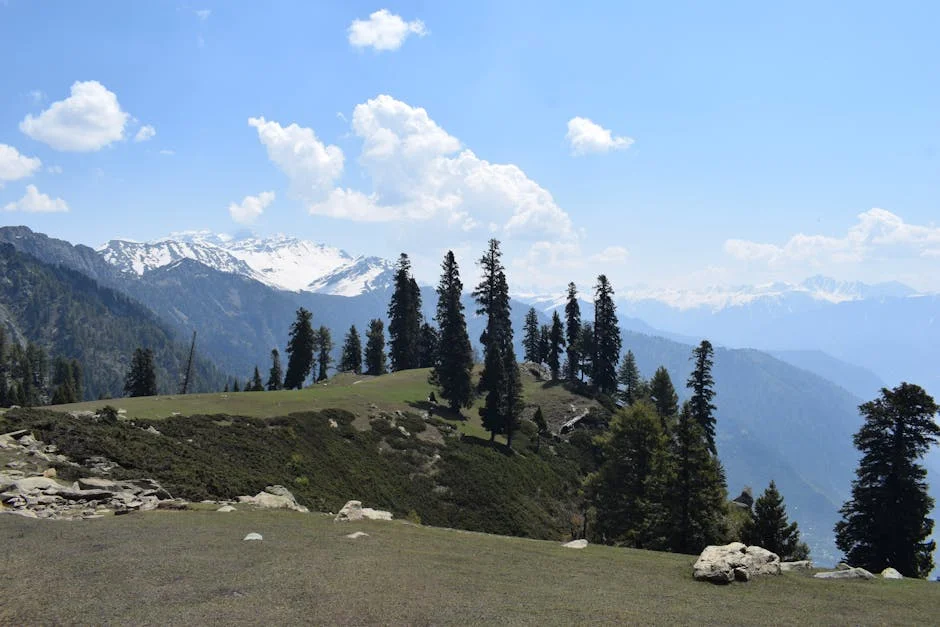
The Jammu and Kashmir Tourism Department has rolled out a campaign to reassure visitors about safety, collaborating with local businesses to offer attractive packages. Popular among these is the adventure sports tourism which includes trekking, trout fishing, and skiing—activities that can bolster local economies and provide jobs.
Economic Impact on Local Businesses

The ripple effect of the returning tourists has been felt across various sectors in Pahalgam. Hotels, restaurants, and local artisans, who faced a crippling downturn, are now experiencing a much-needed revival. Local hotelier Mohd Akbar reported a steady increase in reservations, stating that his hotel is now seeing full occupancy on weekends. "The festival season has really brought visitors back," he noted.
Furthermore, the rising tourist footfall has implications for employment. According to the Pahalgam Traders Association, around 2,500 jobs are directly or indirectly linked to the tourism sector. The association's president, Adil Zargar, expressed hope that sustained interest could lead to more job creation in the coming months.
Government Initiatives to Boost Confidence
The Jammu and Kashmir government has taken proactive measures to enhance security and promote tourism, launching the "Incredible Kashmir" campaign to improve the region's image. The Ministry of Tourism has also announced an investment of $1 million to develop infrastructure in Pahalgam, focusing on better connectivity and upgraded facilities.
This initiative aims not only to attract tourists but also to reassure investors regarding the stability of the region. Increased investment can lead to better services and amenities, further enticing visitors and fostering economic growth.
Investment Opportunities Arising from the Resurgence
With tourism returning, opportunities for investors in the hospitality and related sectors are becoming evident. Real estate prices in Pahalgam have already begun to stabilise, with reports of rising interest in property purchases for hotels and guesthouses. Experts anticipate a robust growth trajectory in the sector as confidence builds.
Moreover, businesses are increasingly looking towards sustainable tourism practices. Local entrepreneurs are exploring eco-friendly ventures, from organic farming to sustainable tourism, to align with global trends and attract a conscientious market segment.
Future Prospects: What to Watch
The question remains whether this resurgence is sustainable. As winter approaches, the region will see a natural decline in visitors unless new strategies are put in place to keep tourists engaged. Key events planned for the upcoming months include winter festivals and adventure tourism showcases, aimed at maintaining interest.
In addition, local authorities are preparing to monitor security closely to mitigate any risks. The next few weeks will be crucial in determining if Pahalgam can solidify its reputation as a safe and attractive destination despite recent setbacks. Stakeholders are hopeful that, with continued efforts, the hill station will not only recover but thrive in the competitive tourist market.
See Also
- India’s Communists Collapse — What This Means for Market Dynamics
- Reform UK Sparks Market Uncertainty — Investors Brace for Shifts