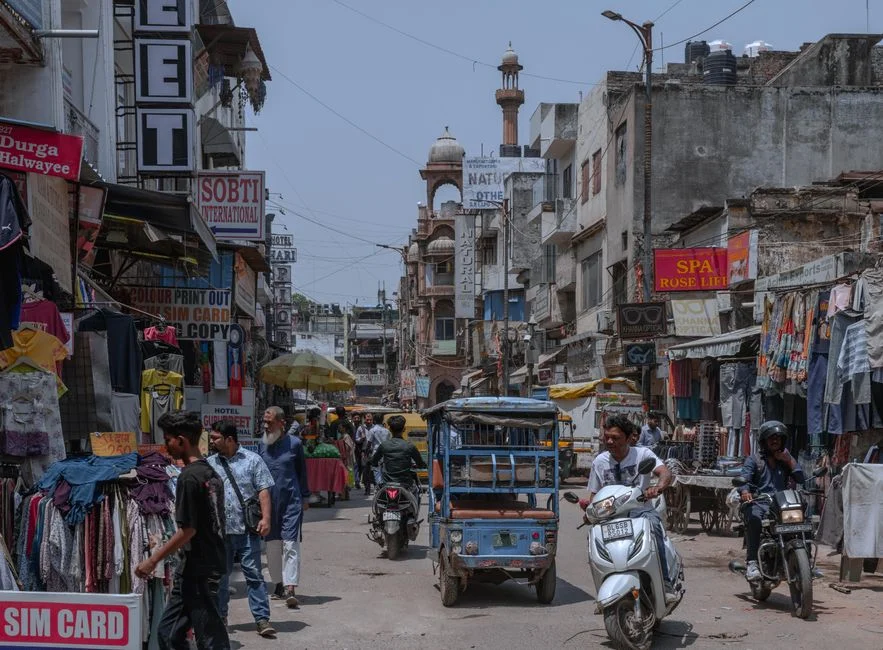
India is rapidly redesigning its international trade corridors, shifting commerce worth billions of dollars away from routes that run through the Persian Gulf and toward alternative pathways through Oman and East Africa, according to trade analysts tracking the geopolitical realignment.
War in Iran Triggers Supply Chain Rethink
The ongoing conflict involving Iran has made traditional shipping lanes increasingly unpredictable for Indian exporters and importers. Companies that once relied on Iranian ports or routes crossing Iranian territory are now scrambling to establish backup supply chains. Trade through Oman, which sits just across the Gulf of Oman from Iran, has emerged as a primary beneficiary of this shift.
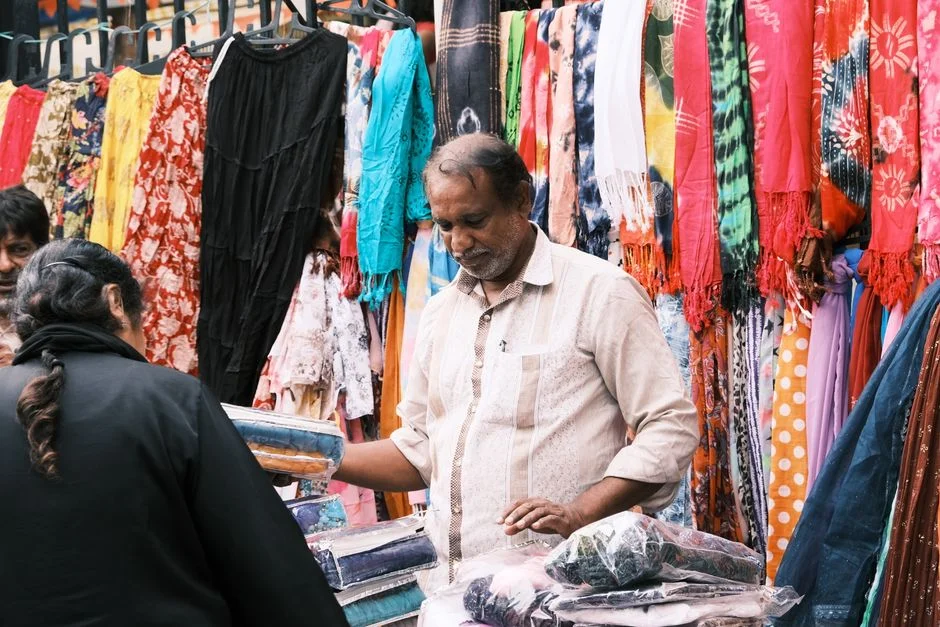
Indian officials have acknowledged the need to diversify trade routes but have not released specific figures on how much commerce has been redirected. Industry groups estimate that a significant portion of India's non-oil trade with Europe and the Middle East is being rerouted through Omani ports, including Salalah and Sohar, which offer deep-water facilities and established logistics networks.
Oman's Strategic Position Strengthens

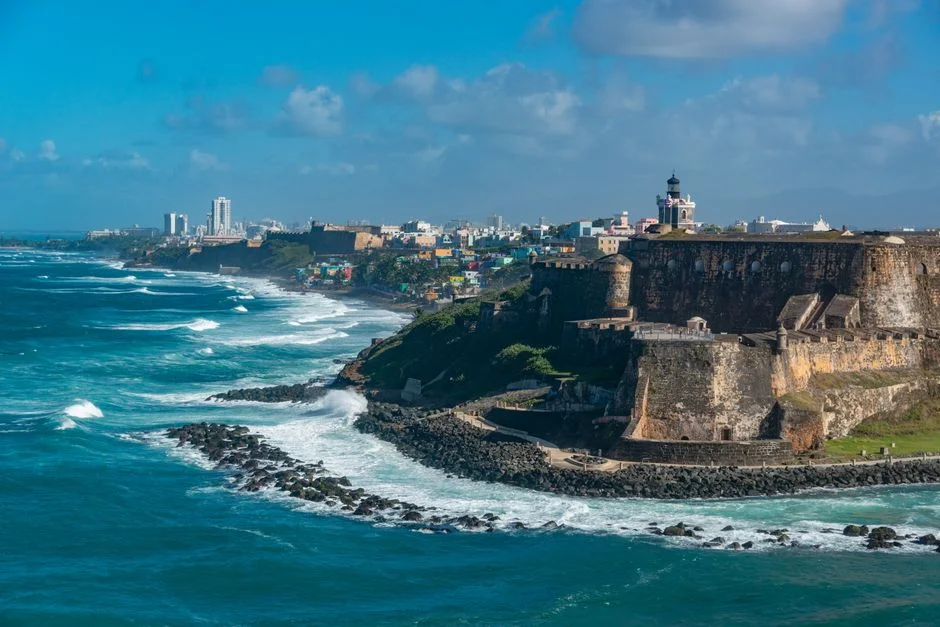
Oman has positioned itself as a natural transit hub for Indian trade heading westward. The Sultanate's ports have seen increased activity as Indian cargo moves through Muscat and Salalah to reach European markets. Oman's existing free trade agreements with multiple regions make it an attractive partner for companies seeking stable corridors amid regional instability.
For Indian businesses, the appeal goes beyond geography. Oman maintains relatively neutral relations with major trading powers, reducing the risk of sanctions-related disruptions that affect Iran-connected routes. The country's Investment Services Centre has reported growing interest from Indian logistics firms seeking to establish regional operations.
Infrastructure and Investment Flows
Indian companies have begun expanding their presence in Oman. Several port operators and shipping firms have announced plans to increase capacity or establish new facilities along Oman's coastline. While specific investment figures remain undisclosed pending regulatory approvals, industry sources describe the activity as substantial and accelerating.
The shift toward Omani corridors represents a longer-term strategic move rather than a temporary adjustment. Companies are investing in infrastructure that assumes the Persian Gulf routing environment will remain volatile for years, not months.
Tanzania Emerges as Eastern Alternative
On Africa's eastern seaboard, Tanzania is gaining attention as India develops alternative trade routes that reduce dependence on chokepoints vulnerable to regional conflicts. The port of Dar es Salaam offers access to landlocked hinterland countries and serves as a gateway for Indian exports heading into the African interior.
Indian trade delegations have visited Tanzania regularly over the past year, exploring opportunities in logistics, manufacturing, and agricultural processing. Tanzania's relatively stable political environment and improving infrastructure have made it an attractive option for companies looking to spread geographic risk across their supply chains.
Bilateral trade discussions have focused on reducing tariff barriers and simplifying customs procedures. Both countries have expressed interest in expanding commercial ties beyond traditional commodity exchanges toward more diversified economic partnerships.
Russia Connection Adds Complexity
India's recalibration of trade routes occurs against a backdrop of shifting geopolitical alliances. Russia, another node in India's emerging trade architecture, offers alternative supply chains that bypass Western-dominated financial systems. Some Indian traders are exploring routes that connect through Russian infrastructure, though logistics challenges and regulatory uncertainty remain significant obstacles.
The interplay between Omani, Tanzanian, and Russian trade corridors is reshaping how Indian businesses think about global commerce. Companies are no longer optimizing purely for cost efficiency; they are now factoring in route resilience, political risk, and access to multiple supply chain options.
What Happens Next
Indian trade officials are scheduled to hold talks with Omani counterparts in the coming weeks to formalize expanded commercial arrangements. The negotiations will likely address port access, customs cooperation, and investment protections for businesses operating across both countries.
Investors and business leaders should watch for announcements regarding infrastructure commitments and bilateral trade agreements. The pace of India's trade map redrawing suggests that commercial relationships established now could define regional trade patterns for years to come. Companies that move early to establish presence in emerging corridors may secure competitive advantages as the shift accelerates.
See Also
- India Targets 100 Products to Slash Imports — Markets React
- Karnataka Travels Owners Demand Urgent Relief as Fuel Prices Soar 20%
Companies are investing in infrastructure that assumes the Persian Gulf routing environment will remain volatile for years, not months.Tanzania Emerges as Eastern AlternativeOn Africa's eastern seaboard, Tanzania is gaining attention as India develops alternative trade routes that reduce dependence on chokepoints vulnerable to regional conflicts. Russia, another node in India's emerging trade architecture, offers alternative supply chains that bypass Western-dominated financial systems.