India's manufacturing sector has reported a significant rebound in growth, reaching a three-month high in May 2023, driven by increased demand and strategic adaptations amid ongoing tensions in the Middle East. This surge, confirmed by the latest Purchasing Managers' Index (PMI) data from IHS Markit, signals an optimistic outlook for the country's economy, particularly as external factors begin to play a critical role.
Key Numbers from the Sector's Growth
The PMI for Indian manufacturing rose to 56.4 in May, up from 55.5 in April, indicating a strong expansion as any figure above 50 signifies growth. This month’s reading marks the highest level since February and suggests that manufacturers are ramping up output to meet rising domestic and export orders.
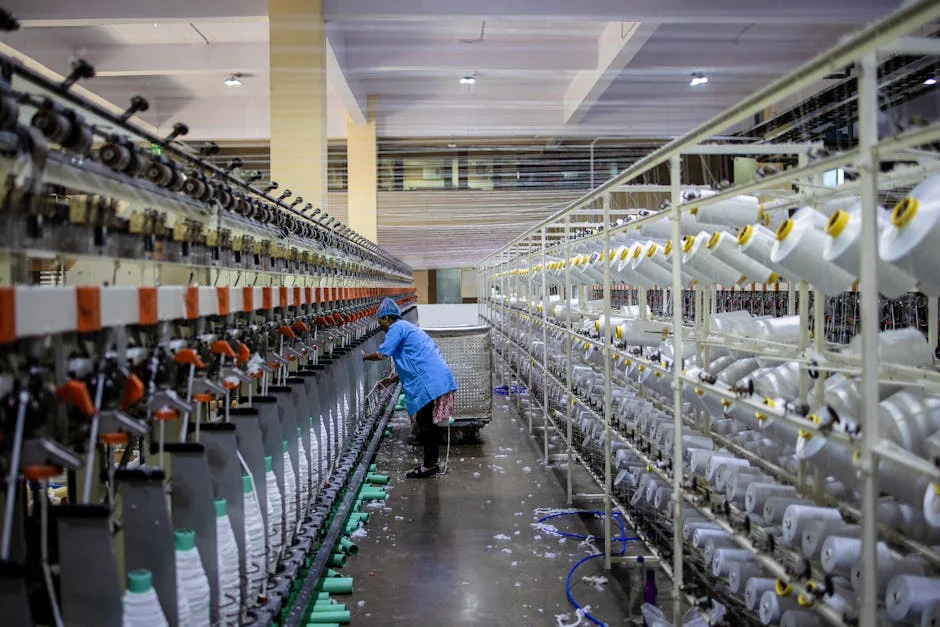
In light of global events, India’s ability to maintain robust production levels reflects its resilience and strategic economic positioning. The Middle East's instability has compelled businesses to diversify supply chains, enhancing India's manufacturing appeal as a reliable alternative for companies seeking stability.
Implications for the Indian Economy


This growth comes at a critical time for India's economy as it braces for the effects of fluctuating global energy prices and geopolitical tensions. The conflict in the Middle East has raised concerns over supply chain vulnerabilities, prompting manufacturers to reassess their reliance on imports and invest in local production capabilities.
As a result, businesses in India are likely to benefit from increased government support and incentives aimed at boosting domestic manufacturing. Such policies may enhance India's attractiveness to foreign investors, signalling a shift in focus towards self-reliance in critical sectors.
Market Reactions and Business Sentiment
Market reactions to the improved manufacturing data have been positive, with the NSE Nifty 50 gaining 1.2% following the announcement. Investors are encouraged by the PMI results, reflecting confidence in the potential for sustained economic expansion. Analysts predict that sectors like textiles, automotive, and electronics could see significant upticks in production and investment.
Furthermore, CEOs from major manufacturing firms have expressed optimism about upcoming quarters, indicating plans to expand operations in light of strong domestic demand. This sentiment can lead to increased hiring, further stimulating the economy.
Global Context and the Middle East's Role
The ongoing conflict in the Middle East has broader implications for global markets, impacting energy prices and trade routes. As tensions escalate, countries reliant on Middle Eastern oil may experience economic strain, inadvertently benefiting India’s manufacturing sector. Companies may look to India as a stable option for sourcing goods, despite the complexities posed by international trade dynamics.
In this context, India’s robust manufacturing output could position it as a key player in global supply chains, particularly for industries looking to reduce dependence on unstable regions.
What Investors Should Watch Next
Investors should closely monitor the trends emerging from this growth in the manufacturing sector. Upcoming economic reports, including export data and inflation indices, will be crucial to gauge the sustainability of this momentum. Additionally, any government initiatives aimed at bolstering manufacturing, particularly in light of global shifts, will be significant.
As the situation in the Middle East continues to evolve, businesses and investors alike will need to remain agile, adapting strategies to harness the opportunities presented by shifting geopolitical landscapes.
Future Outlook for Manufacturing in India
Looking ahead, the Indian manufacturing sector is poised for further growth as it capitalises on both domestic and international demand. Key sectors such as pharmaceuticals, textiles, and automotive are expected to lead this charge, encouraged by government support and foreign investment.
The upcoming fiscal policies and trade agreements will be instrumental in shaping the sector's trajectory. Stakeholders should remain vigilant for developments that could influence market dynamics and business strategies in the months to come.
See Also
- Michael Moore Calls US 'Bad Guys,' Hails Iran in Outrageous Rant
- The Reserve Bank Announces Sovereign Gold Bond Redemption — June 2026 Impacts Investors
Companies may look to India as a stable option for sourcing goods, despite the complexities posed by international trade dynamics.In this context, India’s robust manufacturing output could position it as a key player in global supply chains, particularly for industries looking to reduce dependence on unstable regions.What Investors Should Watch NextInvestors should closely monitor the trends emerging from this growth in the manufacturing sector. This sentiment can lead to increased hiring, further stimulating the economy.Global Context and the Middle East's RoleThe ongoing conflict in the Middle East has broader implications for global markets, impacting energy prices and trade routes.
What is the latest news about indias manufacturing sector surges to threemonth high amid middle east unrest?
Why does this matter for economy-business?
What are the key facts about indias manufacturing sector surges to threemonth high amid middle east unrest?