A cricket stadium in Ahmedabad holds 130,000 spectators. A football arena in Beijing seated 80,000 for the 2008 Olympics. Yet economists increasingly argue that the real story lies not in capacity figures, but in what these venues reveal about national economic strategies, labour markets, and capital allocation.
Stadiums as Economic Barometers
For decades, financial analysts dismissed stadium construction as cultural spectacle rather than economic data. That view is shifting. Researchers now treat mega-venues as leading indicators of government spending priorities, construction sector health, and long-term debt commitments.
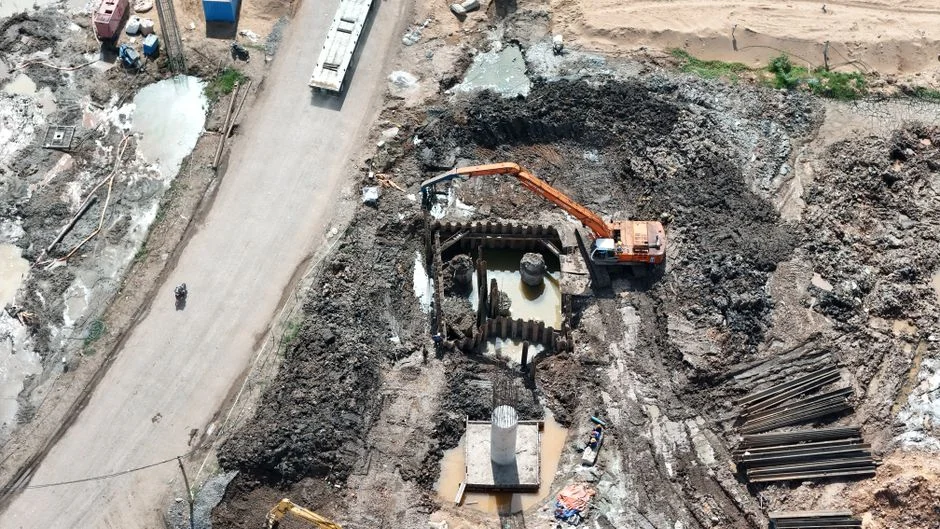
The logic runs straightforward: a government willing to invest billions in a stadium signals confidence in future tax revenues, tourism receipts, and infrastructure connectivity. The construction phase itself generates employment data that labour economists track closely.
Asia's Infrastructure Calculus

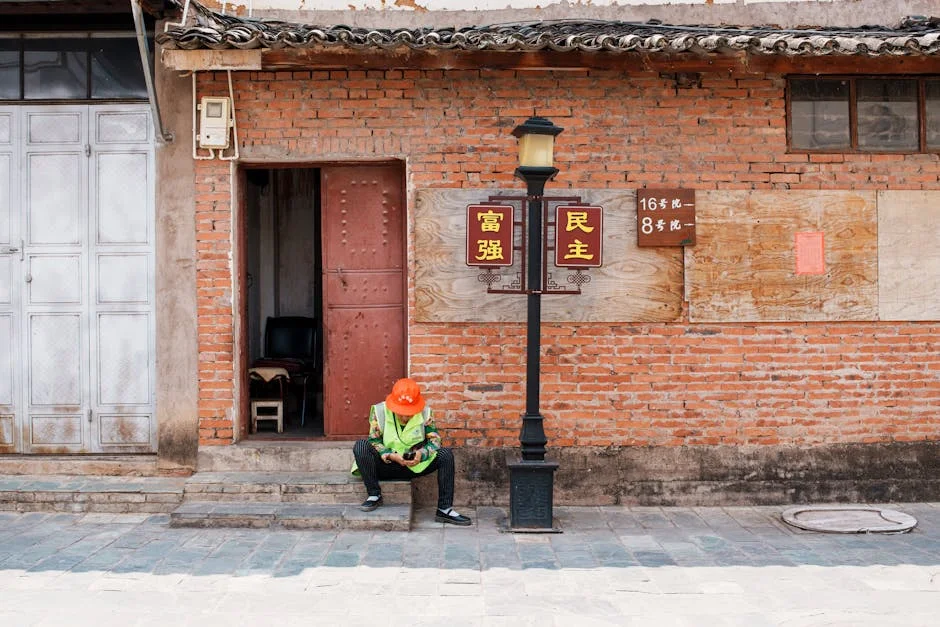
Across Asia, stadium projects have become increasingly entangled with sovereign wealth strategies and infrastructure bonds. Vietnam's government announced plans to expand its national sports infrastructure in 2023, allocating funds through state-owned development banks. The timing coincided with a surge in foreign direct investment into manufacturing sectors around Hanoi and Ho Chi Minh City.
Singapore presents a contrasting model. The city-state lacks the land for massive single-purpose stadiums, yet has invested heavily in multi-use venues that double as convention facilities. The Singapore Sports Hub, opened in 2014, represents a $1.3 billion bet on sports entertainment as an economic cluster. Attendance figures and corporate naming rights revenue now feature in quarterly economic reviews distributed to investors.
Construction Sectors and Labour Markets
The connection between stadium construction and broader economic health appears most clearly in labour data. Building a 50,000-seat venue requires steelworkers, concrete specialists, electrical engineers, and hospitality staff trained for event operations. Employment transitions from construction to service roles create statistical patterns that labour ministries track.
In Vietnam, the stadium construction wave coincided with youth unemployment dropping to 5.8 percent in urban centres, according to government labour surveys. That figure matters to investors evaluating Vietnam's demographic dividend—the period when a large working-age population drives economic growth.
What Singapore Investors Should Watch
For Singapore-based fund managers, the stadium-as-economic-indicator framework offers several practical applications. First, it provides a proxy for government commitment to infrastructure spending, which often correlates with bond yields on sovereign debt. Second, it hints at tourism strategy—countries building major venues often anticipate hosting international events that bring foreign currency.
Vietnam's stadium investments specifically signal ambitions to host larger regional tournaments, potentially positioning the country as a sports tourism hub. Singapore's proximity to this shift carries implications for hospitality stocks and airport traffic projections.
The Debt Dimension
Not all economists embrace the stadium-as-indicator thesis. Critics point out that many mega-venues operate at losses for years after opening. The Qatar World Cup stadiums, initially praised for boosting regional infrastructure, have faced questions about post-tournament maintenance costs and utilisation rates.
Vietnam's debt-to-GDP ratio remains manageable at around 38 percent, well below the IMF warning threshold of 60 percent. But the pace of infrastructure expansion—including sports venues—merits monitoring as interest rates in the region stabilise.
Looking Ahead
Several upcoming tournaments will test whether Asia's stadium investments translate into economic returns. The 2025 Asian Winter Games in Aomori, Japan, will showcase new venue construction. Vietnam has expressed interest in co-hosting future regional football championships, which would require additional venue development beyond current plans.
For investors tracking Southeast Asian markets, the next 18 months will reveal whether stadium economics in the region follow the maintenance-cost pattern seen in Qatar or generate sustainable tourism and broadcasting revenue streams. Vietnam's next infrastructure budget review, expected in October, will provide concrete data on government priorities.
See Also
- Porto Vivo Halts Development as Manuel Pureza Demands Action
- Mitchell Starc's Availability Update Sparks Market Uncertainty in IN
That figure matters to investors evaluating Vietnam's demographic dividend—the period when a large working-age population drives economic growth.What Singapore Investors Should WatchFor Singapore-based fund managers, the stadium-as-economic-indicator framework offers several practical applications. Second, it hints at tourism strategy—countries building major venues often anticipate hosting international events that bring foreign currency.Vietnam's stadium investments specifically signal ambitions to host larger regional tournaments, potentially positioning the country as a sports tourism hub.
What is the latest news about why economists are watching vietnams stadium projects right now?
Why does this matter for economy-business?
What are the key facts about why economists are watching vietnams stadium projects right now?