Taiwan's custard apple farmers are watching with growing unease as China moves to open its market to imports of the tropical fruit, a development that threatens to destabilize prices in one of the island's most vulnerable agricultural sectors.
China's Import Pathway Takes Shape
Beijing has reportedly finalized import protocols for Taiwanese custard apples, according to agricultural trade monitors tracking cross-strait commerce. The move represents a significant shift in how the two economies interact through food exports, despite the absence of formal diplomatic channels between them.
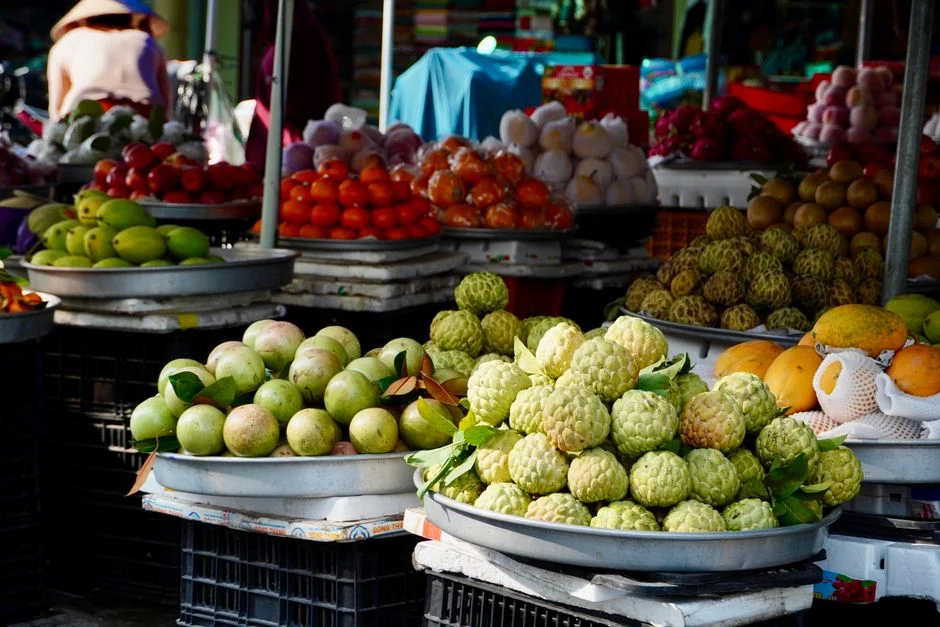
The custard apple, known locally as luofeiji or "pineapple sugar apple," holds cultural and economic significance in Taiwan's southern regions, where thousands of farming families depend on its cultivation. China accounts for a substantial portion of Taiwan's agricultural export markets, giving Beijing considerable leverage whenever trade flows are discussed.
Farming Communities Feel the Pressure
In Taiwan's Tainan and Pingtung counties, where most of the island's custard apples are grown, farmers have begun expressing alarm over what increased Chinese competition could mean for their livelihoods. Local agricultural cooperatives report that current wholesale prices for custard apples have already shown volatility in recent months.
The Taiwan Farmers' Association warned that an influx of Chinese-grown custard apples could push domestic prices down by more than a fifth, a prospect that alarms producers already facing rising costs for fertilizer and labor. Smaller farms, which lack the scale to absorb price shocks, would be most vulnerable to such market disruption.
Price Projections Worry Traders
Agricultural economists in Taipei estimate that Taiwan produces approximately 35,000 metric tonnes of custard apples annually, with exports representing a meaningful share of total revenue for rural communities. Market traders in Taipei's wholesale produce markets say they are closely monitoring developments, aware that any change in cross-strait agricultural trade could ripple through pricing systems that affect consumers and retailers across the island.
Geopolitical Undercurrents Shape Trade
The timing of China's import decision has not gone unnoticed among analysts who study the economic dimensions of Taiwan-China relations. Beijing has previously used agricultural trade as both a carrots-and-sticks mechanism in its approach to Taipei, lifting some bans while imposing others in ways that send political signals.
Trade analysts note that China's agricultural import approvals often involve complex negotiations where economic and political considerations become intertwined. The custard apple decision arrives amid broader discussions about Taiwan's economic integration with mainland markets and the island's efforts to diversify export destinations.
Investors Monitor Agro-Trade Exposure
For investors tracking companies with agricultural exposure in the region, the developments highlight continued commodity market risks tied to cross-strait tensions. Taiwan's fruit export sector represents a modest but symbolically important component of the island's trade profile, and any sustained disruption would register in quarterly reports for logistics and food processing companies.
Regional shipping firms that handle agricultural cargo between Taiwan and mainland ports are also watching the situation, as shifts in fruit export volumes directly affect container demand and route profitability.
What Comes Next for Producers
Taiwan's Council of Agriculture has indicated it will launch a domestic promotion campaign aimed at boosting local consumption of custard apples, a standard response when export markets face uncertainty. Officials have also discussed potential subsidies for farmers who invest in quality improvements that could help Taiwanese produce compete more effectively against imports.
The autumn harvest season, which typically begins in September, will serve as the first real test of how markets absorb any changes in the trade dynamics. Industry observers say the coming weeks will reveal whether Chinese imports materialize at scale or whether the announcement represents a longer-term policy shift still being implemented.
For now, Taiwan's custard apple farmers are preparing for what many describe as an uncertain future, hoping that domestic demand and new export markets elsewhere in Southeast Asia will be enough to offset whatever pressure comes from across the strait.
See Also
- India Faces Economic Turmoil as UN Links Extreme Heat to Climate Change
- China Balances Trump and Putin — Markets Watch the Shift