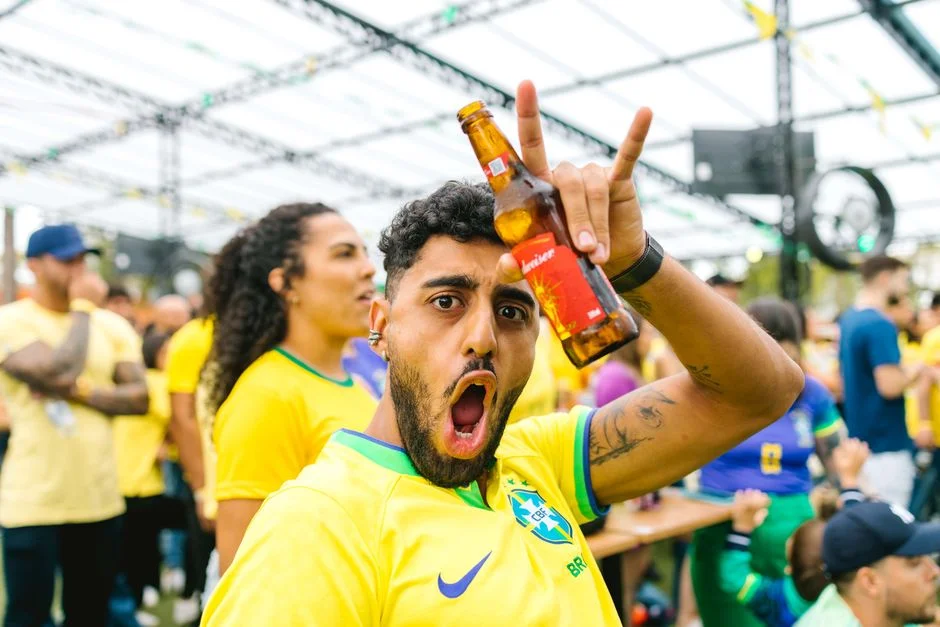
Germany, Netherlands, and Japan return to the 2026 FIFA World Cup pitch on Day 10, and for Singapore's sports industry, the economic ripple effects are already building. The three football powerhouses draw massive viewership in the city-state, where sports broadcasting, fan zones, and betting markets generate hundreds of millions of dollars during major tournaments.
Day 10 Matchups Drive SG Viewership Numbers
The Day 10 schedule places Germany against a Group F rival, with the Netherlands and Japan also in action across separate matches. According to Singapore's Infocomm Media Development Authority, the 2022 Qatar World Cup drew an average audience share of 67 percent during key match windows — a figure the industry expects to match or exceed with the expanded 48-team format in 2026.

Local broadcaster Mediacorp holds rights to major FIFA tournaments, and during knockout rounds, advertising rates typically surge by 30 to 40 percent above standard pricing. Industry insiders told reporters that premium match slots around European heavyweight clashes command the highest CPM rates in Singapore's television market.
F&B and Entertainment Sector Braces for Surge
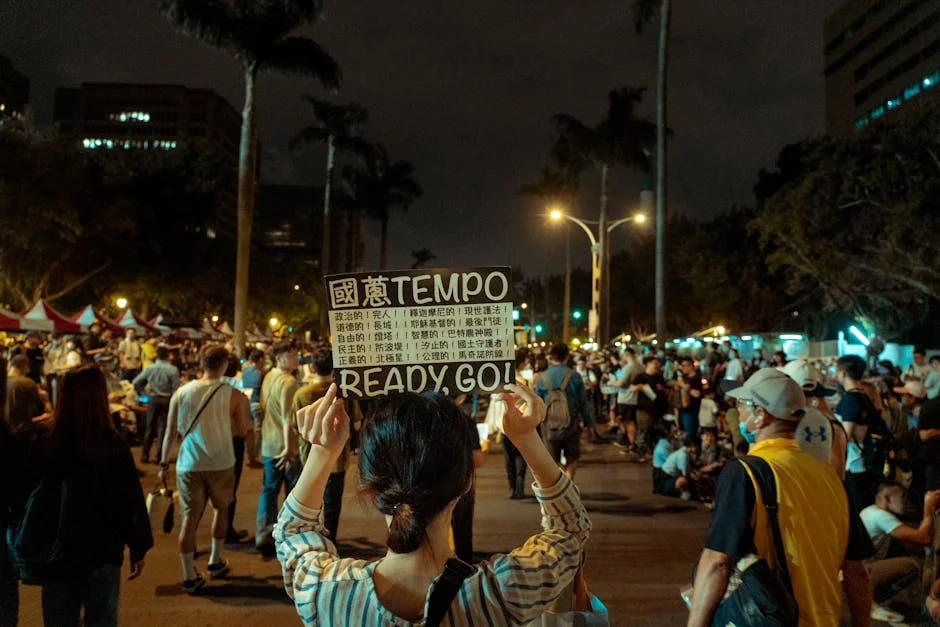

Singapore's food and beverage sector treats World Cup group stages as peak trading periods. The Singapore Food and Beverage Association estimated that the 2022 tournament generated an additional S$180 million in revenue across licensed premises showing matches, with German and Netherlands fixtures ranking among the top draws.
Bars and restaurants in Clarke Quay, Robertson Quay, and Marina Bay report that they begin planning World Cup promotions up to six months in advance. A manager at a popular sports bar in the Civic District confirmed that Day 10 bookings for German and Netherlands matches were fully reserved 72 hours before kickoff.
Sponsorship and Brand Activation Deals
Major brands use World Cup fixtures as platforms for Singapore market activation. Breweries typically launch campaign variants aligned with participating nations, while telecommunications companies offer match-day data bundles to drive streaming viewership. The Singapore Economic Development Board has noted that global sports events create temporary spikes in marketing spend that benefit local advertising agencies and production houses.
Sports Betting Markets Signal Strong Interest
Singapore Pools, the only legal operator for football betting in the city-state, processes millions of dollars in wagers during World Cup group stages. The 2026 format expansion means more matchdays and more betting opportunities across the tournament calendar.
Traders at Singapore-based sportsbooks report that Germany and Netherlands fixtures consistently rank among the top five handles during any World Cup. Japan's inclusion adds an Asian market dimension that drives additional betting volume from regional customers, industry sources confirmed.
Broadcasting Rights and Media Economics
The 2026 World Cup marks the first tournament under FIFA's expanded broadcast framework, with rights deals across Asia renegotiated to account for the additional 16 matches. Singapore's media companies face higher content acquisition costs but offset this through increased subscription and advertising revenue during peak viewership windows.
Streaming platforms report that match replays and highlight packages drive significant traffic in the hours following Day 10 fixtures. Digital advertising inventory during these windows trades at premium rates, with CPM figures reportedly reaching S$45 to S$60 for mid-tier sports content during major tournaments.
What Comes Next for Singapore Stakeholders
As the group stage progresses, Singapore's sports ecosystem will track knockout qualification scenarios closely. Germany or Netherlands advancement would extend high-viewership fixtures deep into the tournament, sustaining economic activity across hospitality, media, and betting sectors.
Singapore's Ministry of Culture, Community and Youth has not announced any official fan zone plans for the 2026 World Cup as of Day 10, but the Singapore Sports Hub typically coordinates public screening events for major finals. Industry observers will watch for announcements regarding knockout-stage logistics in the coming weeks.
For investors, the key metric remains viewership data released after each match window. Strong Day 10 numbers would confirm that 2026 tournament engagement is tracking ahead of 2022 figures, signalling sustained revenue tailwinds for media and hospitality stocks listed on the Singapore Exchange.
See Also
- Lahore Victory Exposes Australia's Weakness — and Pakistan's Economic Ambitions
- France Unveils Mega LNG Ship in Singapore — A Game Changer for Energy Markets
Singapore's media companies face higher content acquisition costs but offset this through increased subscription and advertising revenue during peak viewership windows.Streaming platforms report that match replays and highlight packages drive significant traffic in the hours following Day 10 fixtures. Digital advertising inventory during these windows trades at premium rates, with CPM figures reportedly reaching S$45 to S$60 for mid-tier sports content during major tournaments.What Comes Next for Singapore StakeholdersAs the group stage progresses, Singapore's sports ecosystem will track knockout qualification scenarios closely.
What is the latest news about germany netherlands japan back on day 10 and singapore is watching the stakes?
Why does this matter for sports?
What are the key facts about germany netherlands japan back on day 10 and singapore is watching the stakes?