The United States secured their place in the World Cup 2026 knockout rounds on Thursday after defeating Australia in their final group stage match. The victory guarantees the host nation at least two more matches on home soil, with commercial stakes rising sharply as the tournament enters its decisive phase.
Hosts Survive Australian Challenge
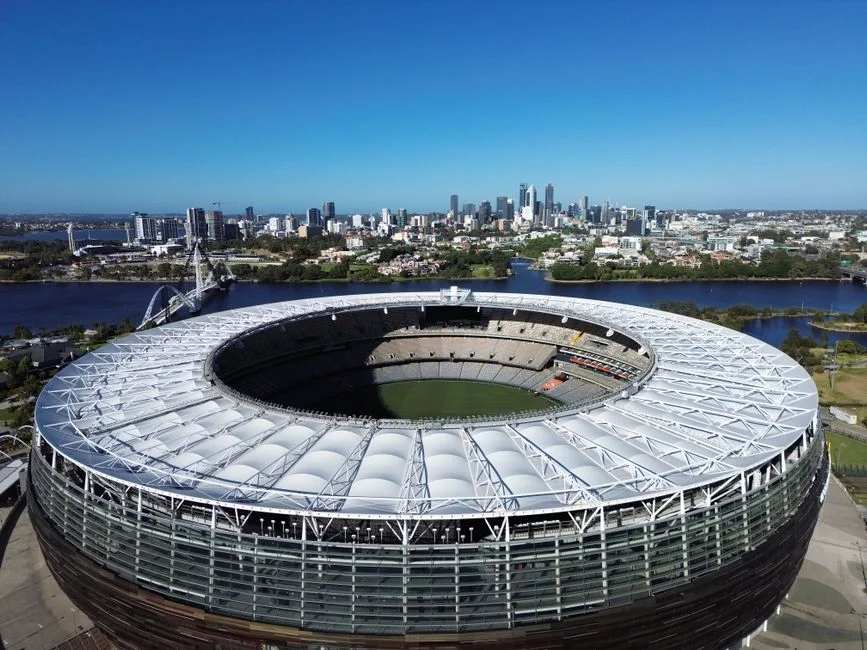
Thursday's match saw the United States defence hold firm against an Australian side that needed a win to progress. The result sent Australia home while advancing the hosts to the round of 16. MetLife Stadium in New Jersey and other American venues will now host at least two additional fixtures, keeping billions in projected revenue within the country.
Tournament Economics Shift in America's Favour

Thursday's result reshapes the commercial mathematics of World Cup 2026. Group stage elimination would have cost American cities millions in expected tourism spending, hospitality revenue, and merchandise sales. Instead, the extended run guarantees continued global broadcast attention focused on United States venues. The American host cities of Los Angeles, New York, Dallas, and Miami now prepare for a flood of international visitors with confirmed match tickets.
Broadcast Rights and Sponsorship Value
Media buyers had already priced significant American viewership into the tournament's broadcast contracts. Fox Sports, the English-language rights holder in the United States, benefits directly from a host nation still competing. Advertisers who purchased airtime anchored to American participation can now honour those commitments through the knockout rounds. FIFA's commercial partners also see their investment protected, with American corporate sponsors retaining visibility through the tournament's most-watched phase.
Australian Exit Carries Economic Costs
For Australia, the defeat ends a tournament run that had reinvigorated domestic football interest. The Socceroos departure eliminates a significant Asian viewership draw for FIFA's broadcast partners in the region. Australian businesses that had planned around extended tournament engagement now scale back those expectations. Melbourne and Sydney venues, which hosted group stage matches, return to normal commercial operations weeks earlier than hoped.
Hosting Investment Justified
The United States committed substantial public and private resources to tournament infrastructure. Thursday's result provides immediate justification for those investments. Football Federation Australia, which invested in team preparation and travel logistics, receives no return on knockout participation. The contrast underscores how tournament economics reward on-field performance as much as hosting rights.
What Comes Next
The United States face their round of 16 opponent in a draw scheduled for Friday in New York. Ticket resale platforms immediately adjusted prices following the result, with quarter-final futures climbing sharply. Businesses that secured hospitality packages tied to American participation can now activate those arrangements. FIFA officials calculate that each additional match in an American venue generates an estimated $150 million in local economic activity.
American corporate sponsors, including major banks and technology firms, now move into full activation mode. With the host nation competing through at least the round of 16, the tournament's North American commercial narrative remains intact. The real test comes if the United States advance deep into the knockout rounds, where ticket prices and viewership numbers could reach historic levels for football in the United States.
See Also
- António Simões Slams Ronaldo's Performance, Fernando Santos Defends Star Player
- Japan's Takaichi Arrives in India with Suzuki, Itochu — Trade Talks Heat Up