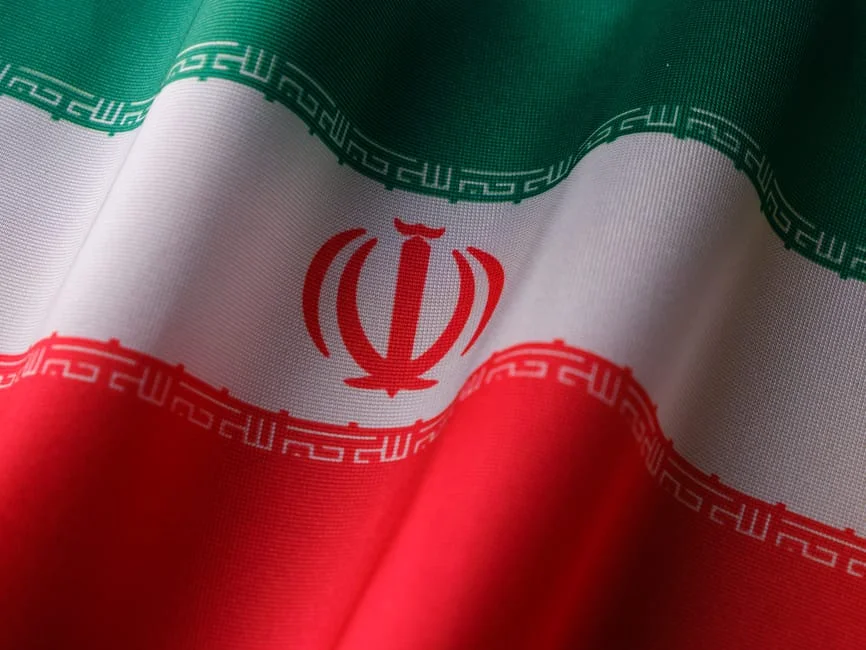
Cosmo Energy Holdings confirmed Tuesday it has no plans to shift away from Middle East crude imports, wagering that the Hormuz Strait will remain navigable despite persistent regional tensions. The Japanese refiner's commitment to the waterway handles roughly one-fifth of the world's oil shipments, making it one of the most consequential supply chokepoints on the planet.
Cosmo's Hormuz Strategy Holds Firm
The Osaka-based company processes approximately 300,000 barrels per day across its refineries, with the majority of its feedstock sourced from Saudi Arabia, the UAE, and Kuwait. Executives told investors last month that alternative supply routes — including shipments via Cape of Good Hope — would add significant costs and logistics complexity. "We are monitoring the situation closely," a Cosmo spokesperson said in a statement, without elaborating on contingency plans.

Hormuz has been a flashpoint for decades, but recent escalations have heightened anxiety among Asian refiners. The strait sits between Oman and Iran, connecting the Persian Gulf to the Gulf of Oman and ultimately the Indian Ocean. Any disruption forces tankers on a 6,000-mile detour around Africa, adding 14 days to voyage times and potentially $2–4 per barrel to freight costs.
Japan's Energy Dependence on the Line


Japan imported roughly 2.8 million barrels per day of crude in 2023, with Middle Eastern grades accounting for more than 90 percent of that volume, according to industry data. The country's Ministry of Economy, Trade and Industry has long encouraged refiners to diversify suppliers, yet geography and infrastructure make the Gulf region difficult to replace. Coal and LNG have gained ground in power generation, but oil remains critical for transportation and petrochemicals.
Why Singapore Refiners Are Watching
Singapore hosts some of Asia's largest trading houses and storage terminals. Many have hedged Hormuz exposure through freight contracts and inventory buffers. Still, a prolonged closure would ripple through regional benchmarks, pushing Singapore Middle East Dubili crude swaps to premiums that would filter down to pump prices across Southeast Asia. Traders on the Singapore Exchange reported elevated volatility in futures contracts tied to Gulf shipments during the most recent escalation period.
Industry Rivals Take Note
Other Japanese refiners have quietly built flexibility into their supply chains. JXTG Nippon Energy — the country's largest processor — has expanded its use of West African and US shale barrels over the past five years. Idemitsu Kosan and Showa Shell have similarly sought alternative origins for portions of their crude requirements. Yet none have fully disentangled themselves from Gulf supply, given the quality of Saudi Arab Light and similar medium-sour grades that suit Japanese refinery configurations.
The economics are stubborn. Middle East crude trades at a discount to alternatives of comparable quality, and Japanese refiners have spent decades optimizing their cokers and hydrocrackers for Gulf feedstock. Switching costs add up fast.
Geopolitical Calculus Remains Unstable
Iran has repeatedly threatened to close Hormuz in response to sanctions and regional rivalries. In 2019, the Islamic Revolutionary Guard Corps seized British-flagged tankers, sending shockwaves through markets. While international naval escorts and diplomatic back-channel talks have prevented a full closure, analysts warn the risk is structural. "The strait is always one miscalculation away from chaos," said one commodities strategist based in Tokyo, speaking on condition of anonymity.
Insurance premiums for Gulf voyages have already ticked higher this quarter, according to maritime data firm Lloyd's List Intelligence. War risk premiums for the Hormuz area climbed to 0.15 percent of vessel values in January, up from 0.08 percent a year earlier. For a 300,000-deadweight-ton very large crude carrier, that translates to roughly $60,000 in additional insurance per voyage.
What Comes Next
Cosmo is expected to release its next quarterly earnings in late April. Investors will scrutinize management's commentary on hedging strategy and any shifts in sourcing geography. Separately, OPEC+ output cuts have tightened Gulf availability, adding another layer of complexity for refiners already navigating Hormuz uncertainty. The next scheduled OPEC+ ministerial meeting is set for June, where production policy could shift supply dynamics further.
For now, Cosmo appears willing to accept the risk. Other Asian buyers are watching — and recalculating.
See Also
- Isadora Neves Marques Reveals How Responsibility Reshapes Markets
- Japan's World Cup Cowboys Spark Merchandise Race in Asia
While international naval escorts and diplomatic back-channel talks have prevented a full closure, analysts warn the risk is structural. See AlsoIsadora Neves Marques Reveals How Responsibility Reshapes MarketsJapan's World Cup Cowboys Spark Merchandise Race in Asia
What is the latest news about cosmo sticks with middle east oil betting big on hormuz reopening?
Why does this matter for education?
What are the key facts about cosmo sticks with middle east oil betting big on hormuz reopening?