Malaysia's Inland Revenue Board has moved to classify collectibles ranging from rare trading cards to digital assets as taxable income, a decision that could reshape how individual investors and small businesses across Southeast Asia handle prized possessions worth thousands of dollars.
What the Ruling Covers
The Inland Revenue Board confirmed that proceeds from selling collectible assets now fall under taxable income categories. This includes physical items such as vintage trading cards, rare coins, and fine art, alongside digital holdings like non-fungible tokens. Officials at the board's headquarters in Putrajaya issued the guidance last week, targeting a market that traders estimate runs into billions of ringgit annually across Malaysia and Singapore.
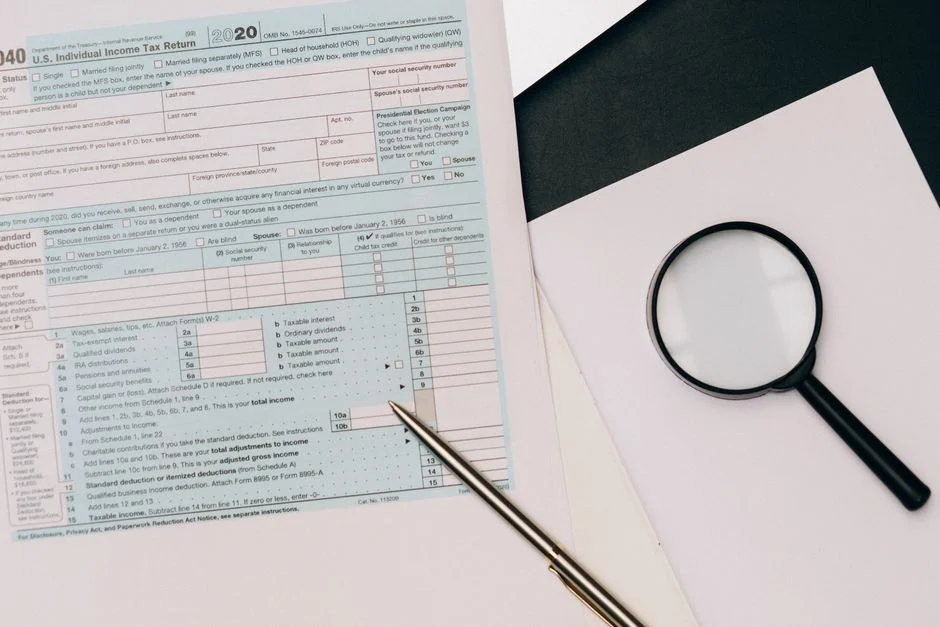
Tax officials clarified that gains exceeding a minimum threshold will trigger reporting requirements. The ruling applies to both occasional sellers and those operating as formal businesses. Failure to declare could result in penalties ranging from fines to back-taxes calculated at standard income rates.
Why Collectors Are Worried


For years, hobbyists in Kuala Lumpur and Singapore treated collectibles as personal assets outside the tax net. The new guidance upends that assumption. A single rare Pokémon card sold for 8.25 million ringgit at a 2022 auction in Kuala Lumpur, a transaction that would now require careful documentation under the revised rules.
Local trading card communities have flooded online forums with questions about reporting obligations. Many sellers operate through platforms like Carousell and specialized auction houses without keeping formal records of purchase prices or improvement costs.
The Business Angle
Retailers dealing in graded cards and collectibles face the steepest compliance burden. Several shop owners in Penang and Johor Bahru told local media they may need to hire accountants for the first time. The compliance cost alone could squeeze narrow margins on high-volume, low-value sales.
Gaming and hobby shops that occasionally buy and resell inventory are equally exposed. The Inland Revenue Board indicated that even small-scale operators conducting multiple transactions per month could qualify as commercial enterprises.
Singapore Connection
The ruling has drawn sharp attention across the Causeway. Singaporean collectors frequently purchase Malaysian auction lots, and cross-border sales have grown steadily since 2020. Tax advisors in the city-state report a surge in enquiries about reporting requirements for overseas transactions.
The Inland Revenue Authority of Singapore has not issued matching guidance, creating a potential asymmetry where Malaysian residents face tighter rules than their Singapore counterparts for identical transactions.
Market Reactions
Auction houses operating in Malaysia have begun adjusting their terms of service. Heritage auctions in Kuala Lumpur now include mandatory tax documentation for sellers above the reporting threshold. Some platforms have paused high-value listings pending clarity on buyer-side obligations.
Secondary market prices for mid-tier collectibles show early signs of softening. Dealers attribute the dip partly to seller hesitation rather than demand destruction, but the trend bears watching through the year-end selling season.
What Comes Next
The Inland Revenue Board has scheduled public consultation sessions in Selangor and Kuala Lumpur through the end of the quarter. Tax professionals expect additional clarifications on cost-basis calculations and exemptions for personal collections held over specific periods.
Businesses and individual collectors should review transaction records now. The board has indicated that voluntary disclosure before enforcement begins will receive more lenient treatment than discoveries through audit. Compliance deadlines fall within the next standard tax filing cycle, giving affected parties approximately three months to adapt record-keeping systems.
See Also
- Philippines Warns of Taiwan Conflict Impact on SG Markets
- Japan Bans Indian Mango Imports, Hitting Alphonso and Kesar Exporters Hard
See AlsoPhilippines Warns of Taiwan Conflict Impact on SG MarketsJapan Bans Indian Mango Imports, Hitting Alphonso and Kesar Exporters Hard The Inland Revenue Board indicated that even small-scale operators conducting multiple transactions per month could qualify as commercial enterprises.Singapore ConnectionThe ruling has drawn sharp attention across the Causeway.
What is the latest news about malaysia inland revenue board declares collectibles taxable markets brace?
Why does this matter for health-medicine?
What are the key facts about malaysia inland revenue board declares collectibles taxable markets brace?