Croatia is rapidly transforming into a critical maritime link between Asian markets and Central European economies, according to shipping industry reports. The Adriatic nation's strategic coastline and expanding port infrastructure have attracted increased attention from logistics companies seeking alternatives to traditional northern European routes.
Rise of a New Trade Corridor
The shift toward Croatian ports represents a fundamental change in how goods flow between Asia and Europe's industrial heartland. Rather than routing through congested hubs in Hamburg, Rotterdam, or Antwerp, shippers increasingly view the Croatian Adriatic coast as a viable shortcut into Austria, Hungary, the Czech Republic, and Slovakia. The Port of Rijeka, Croatia's largest maritime facility, has recorded double-digit growth in container throughput over recent years as a result.
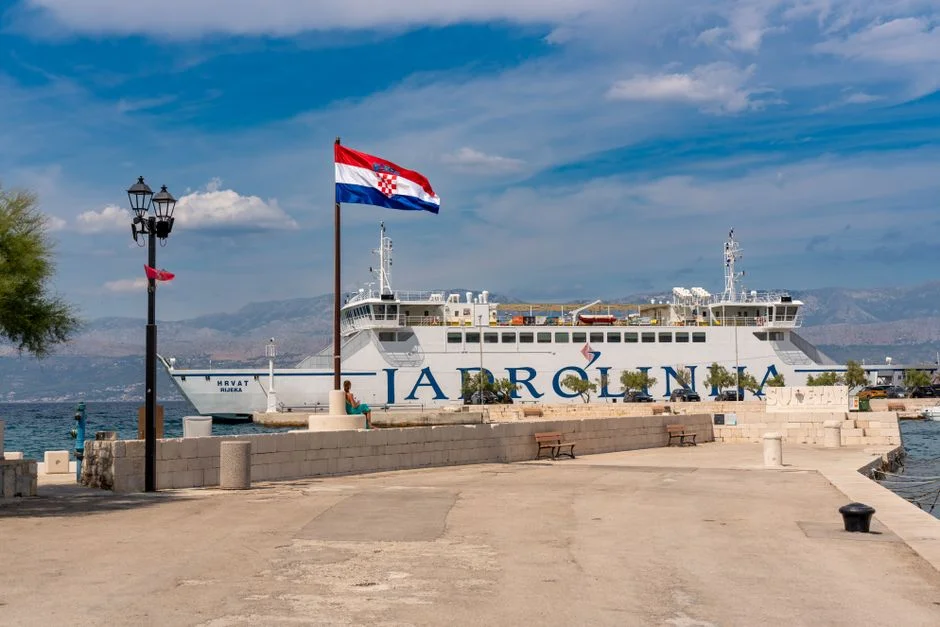
Geopolitical factors have accelerated this trend. Sanctions-related complications affecting certain northern routes have pushed freight forwarders to explore alternatives. Croatian officials have responded by streamlining customs procedures and investing in deeper berths capable of handling larger vessels.
What This Means for Businesses


For manufacturers and retailers importing from Asia, the Croatia route offers potential savings in both transit time and logistics costs. A shipment arriving at Rijeka can reach Vienna or Budapest within 24 to 48 hours by rail, compared with the additional days required when transiting through northern ports and overland routes.
Third-party logistics providers are taking notice. Several major freight forwarders have established dedicated rail services connecting Croatian ports with Central European distribution centres. Competition among service providers is intensifying, which typically translates to better pricing for shippers.
Investment in Infrastructure
Croatian authorities have committed public funds to expand port capacity, while private operators continue upgrading their facilities. Warehouse complexes near major ports have attracted interest from real estate investment trusts and logistics funds seeking to capitalise on growing throughput volumes.
Singapore's Position in This Landscape
Singapore plays a central role in Asian-European maritime trade, serving as a transshipment hub for goods heading to continental markets. The emergence of Croatian ports as an alternative entry point presents both a competitive challenge and a potential complement to existing routes.
Singapore shipping lines and logistics firms with European operations may find opportunities in coordinating services that utilise the Croatian corridor. For cargo destined for Central Europe, routing through Singapore's established hub before heading to Rijeka or other Adriatic ports could offer an efficient alternative to northern European entry points.
Trade analysts have pointed to the broader implications for supply chain design. As Asian manufacturers diversify their European distribution strategies, they increasingly seek flexible routing options that reduce dependency on any single corridor.
Challenges and Competition
Despite growing momentum, the Croatian route faces hurdles. Infrastructure connecting ports to inland rail networks requires further development. Northern European ports have decades of established relationships and comprehensive multimodal networks that took years to build.
Weather conditions in the Adriatic Sea occasionally disrupt operations during winter months. Logistics planners must factor in seasonal variations when designing supply chains that rely on this corridor.
Looking Ahead
Industry observers will watch cargo volume data from Croatian ports over the coming quarters to gauge whether the current trajectory continues. A planned rail upgrade linking Rijeka more directly with Central European freight networks is scheduled for completion within the next few years. That project, if delivered on schedule, could cement Croatia's position as a permanent fixture in Asian-European trade flows.
Businesses reviewing their European logistics strategies should monitor these developments closely. The economics of shipping routes shift gradually, then sometimes suddenly, when critical thresholds of volume and infrastructure are reached.
See Also
- Sophie Ecclestone’s Six Runs Trigger Derby Market Surge
- India Hands Out 51,000 Jobs — What It Means for Markets
What is the latest news about croatia positions itself as europes new gateway for asian trade?
Why does this matter for environment-nature?
What are the key facts about croatia positions itself as europes new gateway for asian trade?